What Happens If You Skip HVAC Maintenance?
Skipping HVAC maintenance doesn't guarantee your system fails right away. It does take away a regular chance for us to catch a loaded filter, restricted drain, dirty coil, loose connection, control problem, or fuel-burning safety concern before it changes the way your home feels.
Frederick homes ask a lot of their heating and cooling equipment. NOAA normals for the Frederick Police Brks station average 78.5°F in July and 34.8°F in January, so a small airflow or operating problem may stay hidden until the system's working hard. See the NOAA climate normals.
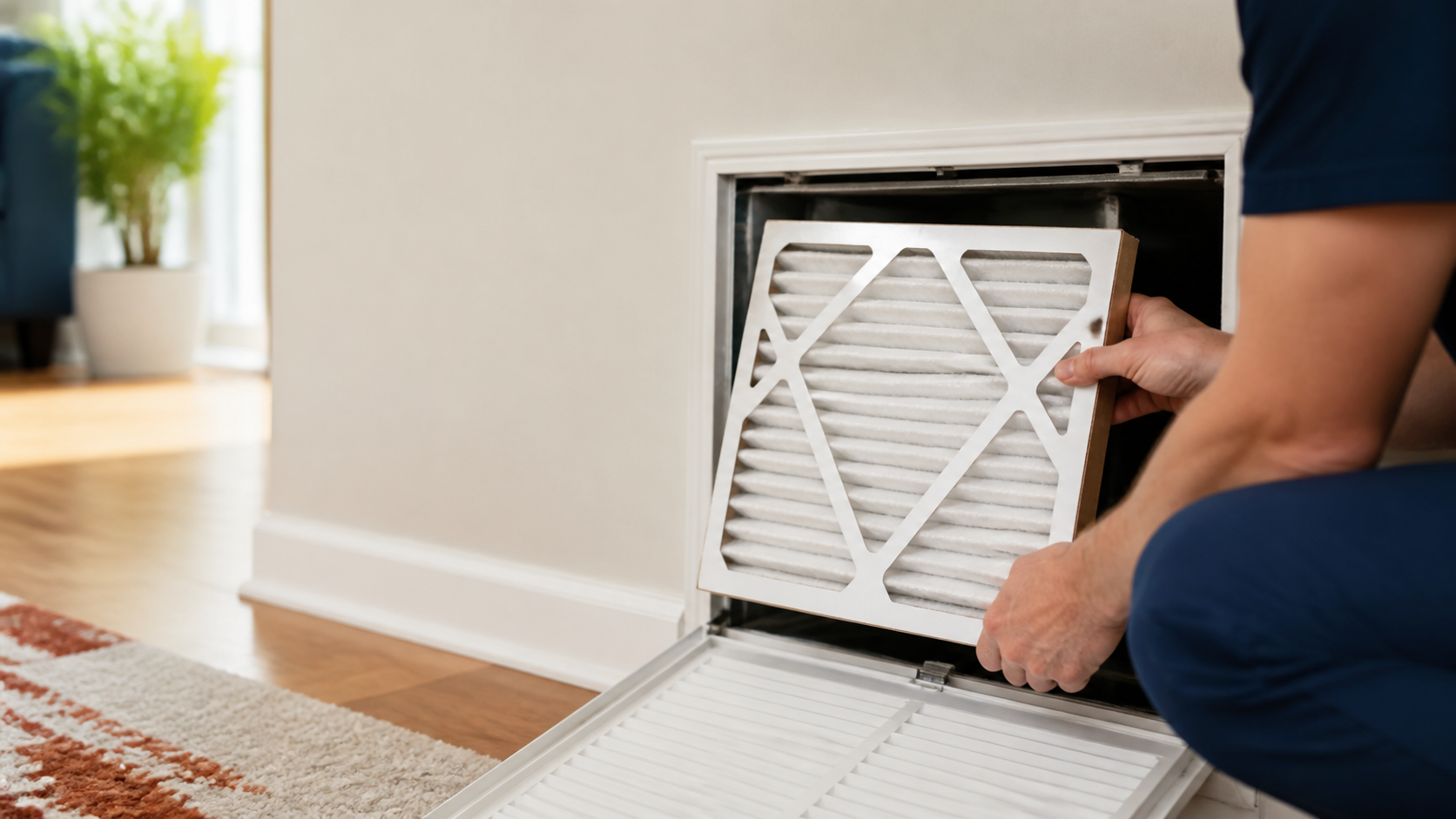
What a missed maintenance visit can leave unchecked
| What may go unnoticed | What you may notice at home |
|---|---|
| A loaded filter or restricted return | Weak airflow, longer runtimes, or rooms that never reach the thermostat setting. |
| A dirty coil or debris around the outdoor unit | Weaker cooling and more strain during a hot Frederick summer. |
| A blocked drain line or pan | Water near the indoor equipment, humidity, or an unexpected cooling shutdown. |
| A worn electrical or control part | A no-start, short cycle, or intermittent problem when you need the system. |
| Fuel-burning equipment that was not inspected | A combustion, venting, or carbon-monoxide concern that needs a qualified look. |
A skipped visit gives small problems more time to grow
Routine maintenance gives us a chance to find restricted airflow, a dirty coil, a blocked drain line, loose electrical connections, incorrect controls, or unsafe fuel-burning operation before the problem becomes a no-heat or no-cooling call. We can't prevent every breakdown, but we can make the system's condition less of a mystery.
ENERGY STAR recommends an annual pre-season check, with cooling equipment checked in spring and heating equipment checked in fall. That timing fits Frederick because it puts attention on the equipment before the season when you're most likely to depend on it. Review the ENERGY STAR maintenance guidance.
- Ask what was inspected and what condition was found.
- Keep filter, airflow, coil, drain, control, and safety findings separate.
- Treat a gas odor, CO alarm, smoke, or electrical danger as an emergency.
Start with the filter, but do not stop at the filter
A dirty or clogged filter restricts airflow. The blower then works harder to move air, the equipment may run longer, and rooms can still feel uncomfortable. Check an accessible filter with the system turned off, and replace it with the correct size, whether that's a 1-inch or a 4-inch, and the right type. See the Department of Energy filter guidance.
ENERGY STAR recommends checking the filter monthly, but pets, construction dust, and other conditions can load it faster. A higher-rated filter isn't automatically better if the equipment can't move air through it properly. If a new filter doesn't restore airflow, or the system freezes, short cycles, or makes a new noise, call us: the filter may be only part of the problem.
- Keep accessible outdoor areas clear of leaves, snow, and debris.
- Do not remove electrical panels, open a refrigerant circuit, or correct a blower problem yourself.
- Record what changed: airflow, runtime, noise, temperature, and affected rooms.
Water and humidity are clues, not a DIY diagnosis
A blocked drain line can put water near the indoor equipment and affect indoor humidity. EPA guidance recommends keeping drip pans clean and drain lines unobstructed. If you see water near the indoor unit, a wet ceiling below an air handler, or a filling drain pan, turn off cooling if you can do so safely and call us for a diagnosis. Read the EPA moisture guidance.
Humidity can be a comfort clue even when the thermostat says the temperature's normal. EPA recommends keeping indoor relative humidity below 60 percent, ideally between 30 and 50 percent when possible. A small humidity meter can show whether the issue's occasional or persistent, but filtration alone won't solve every moisture or ventilation problem.
- Do not assume a drain cleaner or filter change fixed the cause.
- The drain, pan, pump, slope, coil, and nearby ductwork may all need checking.
- Protect the area around a leak and note when the water appears.
Safety warnings change the next step
Maintenance isn't a substitute for immediate action when a safety warning appears. Fuel-burning furnaces and other gas, oil, or coal appliances can produce carbon monoxide. The CDC recommends annual service of heating systems and other fuel-burning appliances by a qualified technician, and that's the visit we run. Review the CDC carbon-monoxide guidance.
Leave the home and call 911 if a carbon-monoxide alarm sounds or anyone has symptoms such as headache, dizziness, weakness, nausea, chest pain, or confusion. Don't stay inside to troubleshoot, silence the alarm, restart the equipment, open a gas train, test live electrical parts, or bypass a safety control.
- Leave first for a CO alarm, gas odor, smoke, fire, sparking, or a strong burning electrical smell.
- Call 911 or the gas utility from a safe location when appropriate.
- CPSC recommends CO alarms on each level and near sleeping areas.
Choose maintenance, diagnosis, or replacement discussion
If the system's operating normally, schedule seasonal maintenance with us and have the filter, airflow, drainage, controls, and safety operation checked. If comfort's changed, call us for a diagnosis and note which rooms are affected, when the symptom began, and whether it happens in heating or cooling.
Water, ice, repeated short cycling, an electrical smell, or a system that won't start is a repair question, not a reason to wait for the next routine visit. If the equipment's older, has repeated failures, or needs a major component, ask us for a repair explanation and a replacement comparison. Age alone doesn't decide it; diagnosis, safety, repair scope, and expected comfort do.
- Maintenance: the system is working normally and you want its condition reviewed.
- Diagnosis: comfort or operation has changed, even if the equipment still runs.
- Repair or urgent help: water, ice, no-start, repeated trips, smoke, odor, or a safety warning appears.
Questions that come up next
What Happens If You Skip HVAC Maintenance?
Dirt, wear, airflow restrictions, drainage trouble, and control faults can go unnoticed. The system may run longer, feel less comfortable, or fail without much warning right when Frederick weather makes it work hardest.
Can I restart maintenance after skipping a year?
Yes. Write down what's changed and call us to schedule a visit around the equipment's actual condition. The right follow-up may be seasonal maintenance, diagnosis, or repair rather than every possible add-on.
Does maintenance prevent every HVAC breakdown?
No. We can't catch every failure or stop every part from wearing out. We can find some problems earlier and give you a clearer decision about repair, safety, and replacement.
What should I do if I see water near my HVAC equipment?
Turn off cooling if you can do so safely, protect the surrounding area, and call us for a diagnosis. A filter change or drain cleaner may not address the actual cause.
When is skipped maintenance an emergency?
Leave the home for a carbon-monoxide alarm, gas odor, smoke, fire, sparking, or a strong burning electrical smell. Call 911 or the appropriate utility from a safe location before arranging HVAC service.
Need HVAC help in Frederick?
Tell us what the system is doing and what you've checked already. If it needs a visit, we'll say so.