No-Cooling Emergency Help in Frederick, MD
The house is getting warmer by the hour, so the order matters: people first, then the equipment. Get anyone at risk somewhere cool, note what the system's doing, and call us. We test before anyone guesses at a part.
Leave first when safety is involved
Gas odor, smoke, a burning electrical smell, sparks, or a carbon monoxide alarm isn't a thermostat problem to investigate. Get everyone outside and call 911 before you call us.
Move somewhere cool when heat is the risk
No cooling can turn into a health problem fast during severe heat. Protect children, older adults, people with chronic conditions, pets, and anyone already feeling unwell before you spend time troubleshooting.
Safe checks can narrow the call
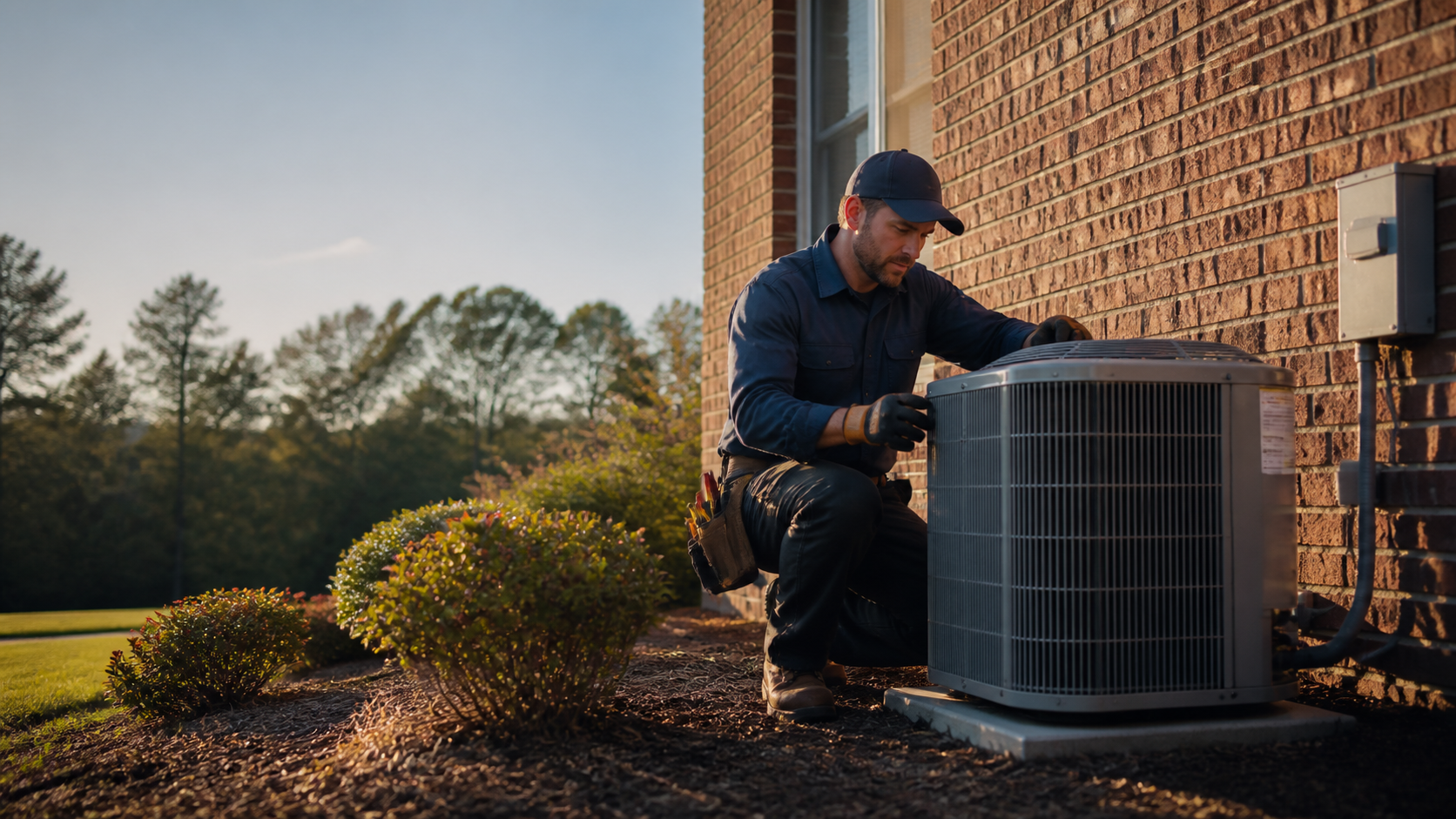
Check the thermostat, the filter, and the vents and returns, and look over the outdoor unit from a distance. Don't remove panels, add refrigerant, chip at ice, or reach into electrical equipment.
No cooling is a symptom, not a part
Warm air can be airflow. A no-start can be electrical. Ice, water, and repeated breaker trips each point somewhere different. We test what changed in the house against the system until the real cause shows itself.
You should know what's next and why
After the diagnosis, the next step might be a repair, an airflow or drainage correction, or a bigger equipment conversation. What failed, how old the system is, and whether the breakdowns keep repeating all shape that answer.
What the visit should cover.
We start with what you noticed, test until the cause is clear, and stop when you know enough to decide.
Describe what changed
Tell us when the problem began, which rooms are warm, whether the system runs, and whether you see ice or water or hear a new sound. The part name is our problem, not yours.
Check only the safe basics
Confirm the thermostat's set to Cool, look at the filter, and check open vents and returns. Watch the outdoor unit from a safe distance without opening a cabinet or touching wiring.
We test the system
A proper diagnosis can involve airflow, drainage, controls, electrical components, the blower, the coil, or the refrigerant circuit. Refrigerant, capacitors, wiring, and sealed panels need trained service.
You decide, then we retest
Once you know what failed and what the repair involves, the call is yours. After the work, we run the system against the original no-cooling symptom before we call it done.
Questions before no-cooling emergency help in frederick, md.
What should I check when the AC is not cooling?
If the home's safe, check that the thermostat's set to Cool, look at the filter, and make sure vents and returns are open. Watch the outdoor unit from a safe distance. Don't remove panels or work near wiring.
When should I call about no cooling?
Call us when the system still runs warm, won't start, has ice or spreading water, keeps tripping a breaker, or the house has no practical way to stay cool. It's more urgent when someone vulnerable to heat is inside.
When should I leave the home instead of calling HVAC first?
If you smell gas, see smoke or sparks, smell a strong burning electrical odor, or hear a carbon monoxide alarm, leave the home and call 911 or the appropriate utility from outside. Don't reset equipment or wait inside.
Does no cooling always mean I need a new system?
No. A thermostat issue, blocked drain, airflow problem, or failed part may be repairable. Equipment age, repeated breakdowns, a major component failure, and comfort problems that never got solved are what shift the math toward replacement.
Get a clear next step for no cooling
Tell us what changed, what the AC's doing now, and whether anyone in the home is at risk from the heat. We'll start with the safety question, then get to the cooling failure.