HVAC Zoning Repair in Frederick, MD
When one part of the home stops responding like the others, you need to know where the request stops: the thermostat, zone panel, damper, ductwork, or central equipment.
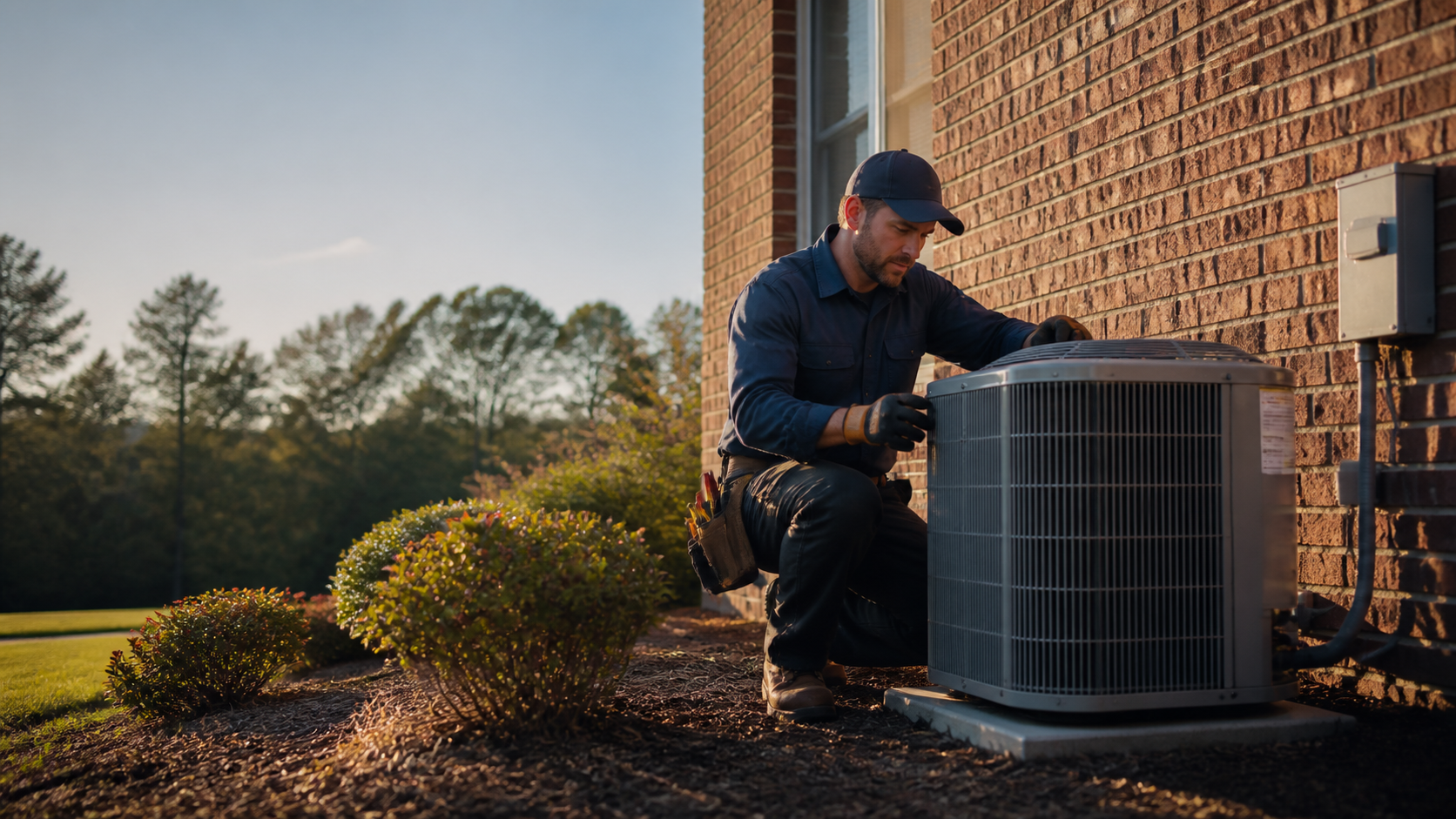
Uneven zones have more than one cause
When one zone stops keeping up, the failure could sit anywhere from the thermostat on the wall to the damper in the duct to the equipment itself. The symptom alone won't tell us which one it is — testing will.
The signal has to reach the air
A thermostat request travels to the zone controller on a 24-volt control circuit, which coordinates the equipment and dampers. Even when the controls respond, a leaking duct, blocked return, or damaged branch can still leave one zone uncomfortable.
We look at the whole zone
We check the thermostat signal, controller output, damper and actuator, accessible wiring, supply airflow, return path, and central equipment. A moving damper isn't proof that the system is balanced.
We follow the request and the airflow
First we confirm the symptom. Is the affected zone actually calling for heat or cooling? Then we trace that request through the controller and damper, checking airflow and return balance so a control repair doesn't hide a duct or equipment problem.
We'll tell you whether it's a repair or a redesign
Most of the time this is a component repair — a sensor, an actuator, a duct joint that came apart. Sometimes it's bigger. If the equipment or the duct layout is the real reason the zone can't keep up, we'll say so before recommending a broader change.
What the visit should cover.
We start with what you noticed, test until the cause is clear, and stop when you know enough to decide.
Start with the pattern
We document which zone is affected, what the thermostat shows, when the problem began, and whether the rest of the home responds normally.
Test the controls
We check the thermostat or sensor, the zone panel, the call for heating or cooling, accessible wiring, and the damper actuator before choosing a part.
Check the air path
We look at the supply branch, return path, filter, blower, and central equipment when the airflow pattern points beyond one damper or zone.
Explain the repair
You'll get the failed component, the test that led us there, the repair price, and what happens if the original zone symptom sticks around.
Questions before hvac zoning repair in frederick, md.
What usually causes one HVAC zone to stop keeping up?
It's often the zone's thermostat or sensor, the control panel, or the damper actuator that opens and closes the branch. Duct and equipment faults can cause it too. One zone acting up won't identify the failed part by itself, so we test the signal and the airflow.
Can a zoning problem be repaired without replacing the HVAC system?
Often, yes. A failed sensor, actuator, control connection, or separated duct joint is a repair, not a system change. Redesign only enters the conversation when the equipment or duct layout can't support the zones as they're set up.
What can I check before calling about zoning repair?
Confirm the thermostat mode and setting, check an accessible filter per its instructions, keep supply registers and returns clear, and record which rooms have weak or absent airflow. Don't remove panels, open controls, adjust hidden dampers, or work on refrigerant, gas, or combustion parts.
When is a zoning problem an emergency?
Leave the home. Call 911 or the gas utility from a safe location for gas odor, a carbon monoxide alarm, smoke, or sparking. A major water leak, unsafe combustion, or loss of safe winter heat also needs urgent attention rather than trial-and-error troubleshooting.
What should I tell you about HVAC zoning repair in Frederick, MD?
Share the affected rooms, thermostat readings, operating mode, airflow pattern, filter condition, unusual sounds, and any water or ice. Also mention recent power interruptions and whether the central equipment is running.
Get a clear answer on your zoning
Tell us which zone is uncomfortable and when it changed. We'll trace the symptom to the control, damper, duct, airflow, or central equipment before we quote the work.