The system is entering its later years
ENERGY STAR says an air conditioner or heat pump over 10 years old, or a furnace or boiler over 15 years old, is worth a closer look.
Installation in Frederick, MD
Replacing an HVAC system is a major decision. We look at the equipment, ductwork, home comfort, and operating costs together before we tell you whether a new installation makes sense.
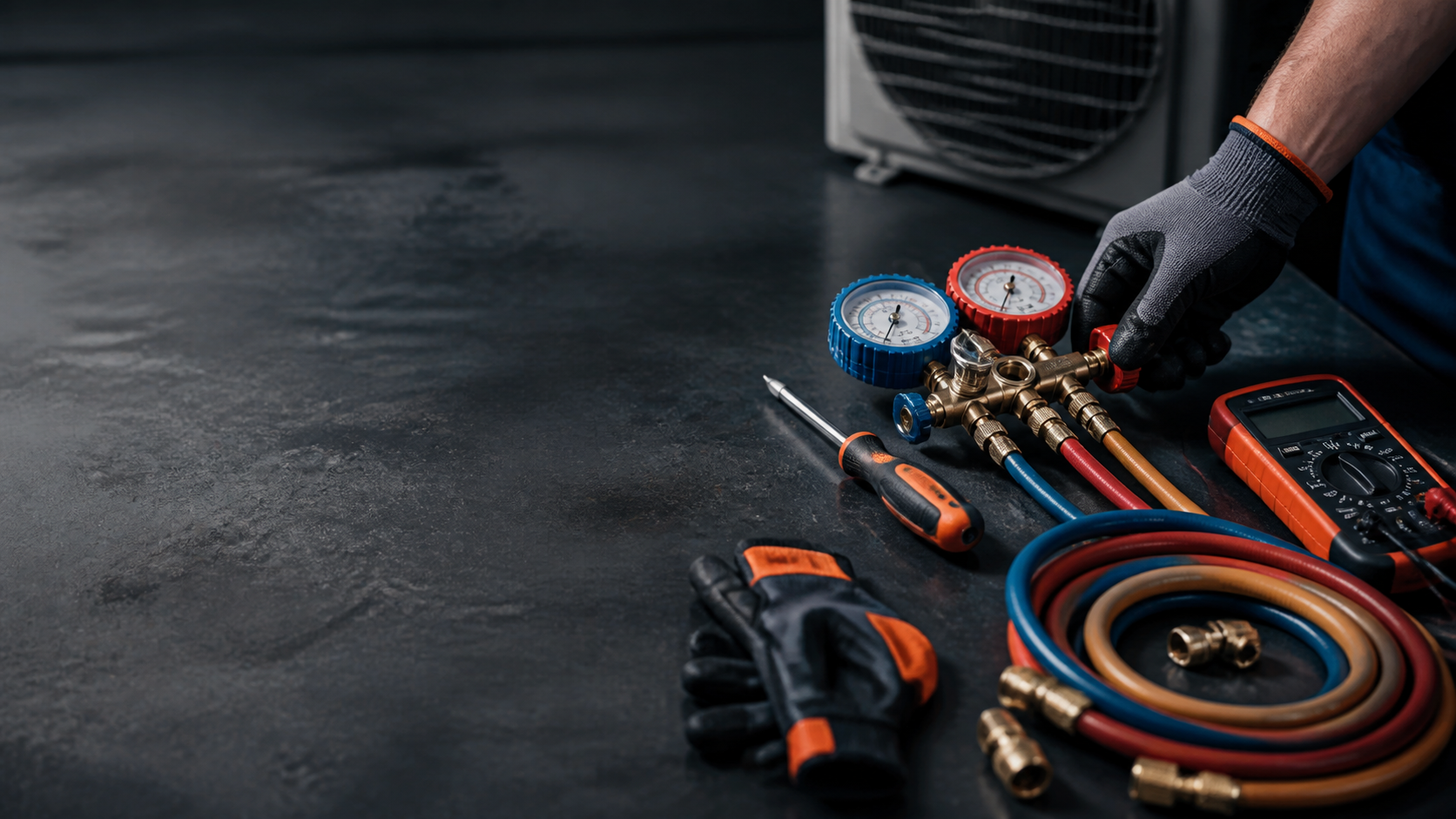
Start with diagnosis
For a Frederick County home, the useful question isn't simply how old the unit is. It's whether the equipment, ductwork, home, and operating costs still make sense together, and sometimes the better answer is a repair, duct improvement, insulation work, or maintenance.
When to look closer
ENERGY STAR and EPA both point homeowners toward getting the equipment evaluated once it's aging or the home stops feeling comfortable. Use the clues to start a better conversation with us, not to diagnose the failed part from the driveway.
ENERGY STAR says an air conditioner or heat pump over 10 years old, or a furnace or boiler over 15 years old, is worth a closer look.
Frequent repairs paired with rising energy bills can signal that the equipment is no longer operating efficiently. One repair alone doesn't settle the question.
Hot or cold rooms, humidity problems, excessive dust, and unusual noise are useful reasons to evaluate the whole system.
A serious failure, refrigerant leak, poor installation, or persistent comfort problem can make a cost and condition comparison more useful than another quick fix.
Read ENERGY STAR's replacement guidance and the EPA homeowner guidance.
Repair or replace
A useful visit explains what failed, why it failed, what else was found, and how one more repair compares with a new system over the next few years.
Repair is often worth considering when the problem is isolated, the equipment is in reasonable condition, and the work restores safe operation and comfort.
Replacement becomes more compelling when major components are involved, repairs repeat, or the system has reached the age range where repair costs compete with a new installation.
Leaky ducts, poor insulation, and bad airflow can drag down even new equipment. If the house is part of the problem, the house is part of the fix.
Compare the system
Consider the existing ductwork, available fuels, electrical setup, heating and cooling needs, and how the home actually behaves before choosing equipment.
A reasonable comparison when the furnace and ducted distribution are in good condition and cooling is the main need.
Worth evaluating together when both pieces are aging or when the indoor coil and outdoor condenser need to work as a matched system.
Provides heating and cooling through conventional forced-air ductwork and may be worth comparing when one system should handle both seasons.
Can fit a home or addition without usable ductwork, or a room that needs its own comfort solution. ENERGY STAR describes ductless heat pumps as an option for homes or parts of homes without ducts.
Heat pump selection should include heat loss, cold-weather performance, electrical and duct setup, and any backup heat plan. Efficiency labels help compare equipment, but the highest rating is not automatically the best purchase.
Review Department of Energy purchasing guidanceQuality installation
ENERGY STAR recommends checking the home, sizing, ductwork, and installation details rather than simply matching the capacity printed on old equipment.
Ask whether the proposal includes a load calculation. Manual J is the common name for calculating how much heating and cooling the home needs. Oversized equipment may cycle too often; undersized equipment may struggle.
The scope should say whether supply and return ducts, accessible insulation, airflow, and damaged sections will be inspected. Ask what happens if sealing or repair is needed.
Indoor and outdoor components should be a verified match. The finished installation should include refrigerant-charge, airflow, and operating checks against the manufacturer requirements.
Older refrigerant systems
An R-22 label can make replacement feel urgent, but EPA says homeowners can keep servicing existing HCFC-22 equipment and don't have to replace or convert it solely because of the phaseout. Check the outdoor condenser nameplate or owner's manual, then ask whether a leak can be located and repaired.
Before you approve
ENERGY STAR recommends written, itemized estimates so homeowners can compare cost, efficiency, and warranty information. Ask for the project details before work starts.
What did you find, and is repair still reasonable?
What size system does this home need, and what calculation supports that size?
Will you inspect supply and return ducts and measure airflow?
Are the indoor and outdoor components a matched combination?
What equipment models and efficiency ratings are included?
What work is included for refrigerant recovery, startup, testing, and old equipment removal?
Which parts of the proposal are required, and which are optional?
What are the project cost, model numbers, schedule, and warranty terms in writing?
Questions homeowners ask
Start with the model number, recent repair notes, energy concerns, and a short list of rooms or symptoms. You don't need to know which part failed.
Consider an evaluation when the system is aging, repairs are frequent, energy use is rising, comfort is uneven, or a major failure changes the repair cost. Those signs support a conversation; they don't automatically mean replacement is the answer.
Compare the failed part, how the rest of the system is holding up, the repair history, and the work the home needs either way. A clear evaluation should explain what can be repaired now and what risks remain.
No. EPA says homeowners can keep servicing existing HCFC-22 equipment and don't have to replace or convert it solely because of the phaseout. Leak history, condition, repair access, comfort, efficiency, and replacement cost still matter.
Sizing based on your home, not the old unit's label. A look at the ducts and airflow. Matched equipment with model numbers in writing, startup and testing spelled out, and a price with the required work separated from the optional work.
Tell us the equipment's age, what has been failing, and which rooms are uncomfortable. We'll help you compare repair and replacement for the home in front of you.