What Happens During HVAC Replacement?
HVAC replacement is more than pulling out an old box and dropping in a new one. We start with your home and existing system, move through sizing and a written scope, and end with startup testing and a walkthrough. What we actually do depends on whether we're replacing a furnace, central air conditioner, heat pump, or a matched heating and cooling system, plus the condition of your ducts, electrical or fuel connections, controls, and drainage.
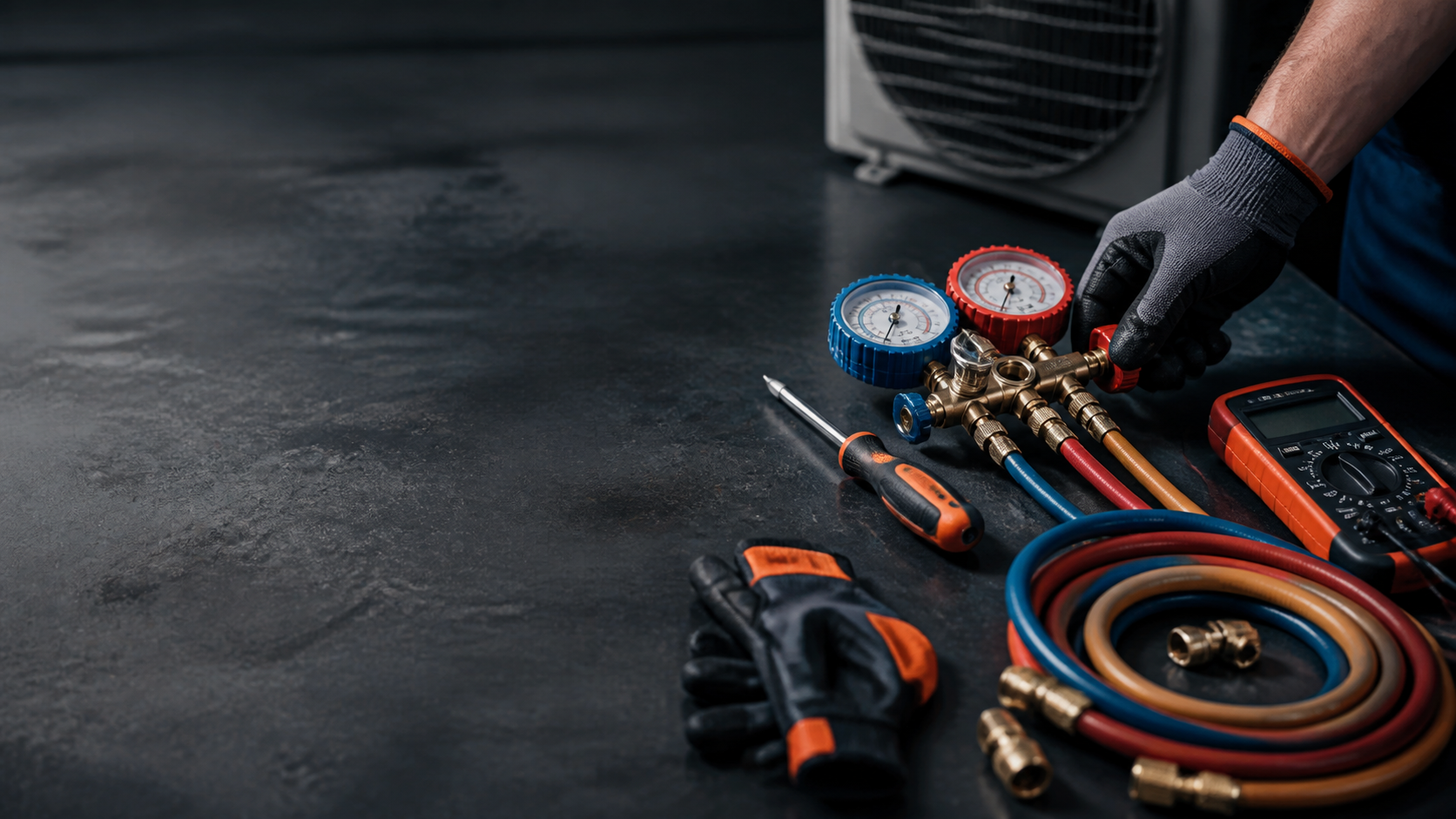
The main stages of an HVAC replacement
| Stage | What happens |
|---|---|
| Evaluation | We connect the equipment problem to your home, comfort concerns, ducts, controls, access, and fuel or electrical connections |
| Sizing and scope | We select capacity for the home, match the equipment, and put removal, repairs, changes, testing, and exclusions in writing |
| Removal | We protect the work area, shut down the old system safely, recover refrigerant when it applies, and remove equipment and unused parts |
| Installation | We secure the new equipment and connect the distribution, refrigerant, thermostat, electrical, drain, fuel, and venting systems that apply |
| Startup and handoff | We run the system, check airflow, controls, safety, and operation, then explain filters, thermostat settings, maintenance, and records |
What happens before the old system leaves?
The first visit should explain the problem, not just repeat the old equipment's size. We look at the equipment's age and condition, which rooms stay uncomfortable, the thermostat and controls, accessible ductwork, returns and supplies, drain paths, venting, electrical access, fuel, and the route into the mechanical space. A noisy furnace, an AC that can't cool one floor, and a heat pump leaning on backup heat can lead us to different recommendations.
If the system is old, needs frequent repairs, or comes with rising energy bills, replacement might be worth discussing. Those same symptoms can come from duct leaks, insulation, air leaks, restricted returns, airflow, or how the equipment is running. A diagnosis still matters. Visit HVAC replacement in Frederick when you need a full replacement scope rather than a single-part repair.
- Tell us which rooms are uncomfortable and when the problem shows up.
- Ask us whether the capacity we're proposing comes from your home's heating and cooling load, not just the old nameplate.
- Get duct, drain, venting, control, access, removal, and testing work in writing from us.
How do we decide on equipment and scope?
We size the new system for your home and make sure the indoor and outdoor components work together. A lot rides on that match. Ducts, blower capacity, indoor coils, outdoor units, refrigerant lines, thermostat controls, and electrical or fuel connections all affect the finished result. Your existing ducts might be usable, repairable, sealable, or in need of changes; a new unit alone can't fix every distribution problem.
A heat pump, dual-fuel system, ductless system, and a conventional furnace-and-air-conditioner pair don't install the same way. If we're proposing a change in system type, ask us about controls, the 24-volt thermostat wiring, backup heat, cold-weather operation, and whether weatherization or duct work should happen first. Our written quote will say what's included, what's excluded, and how we handle changed conditions.
- Ask us how we're matching the indoor and outdoor equipment.
- Confirm whether duct sealing, return-air changes, thermostat work, drain work, or venting work is included.
- Ask what needs your approval if we find something after removal that wasn't visible at the first visit.
What happens on installation day?
We prep the work area before we disconnect the old equipment. We might protect floors and nearby surfaces, shut off electrical power, and close or isolate fuel connections when they're part of the system. We disconnect and remove the old indoor and outdoor equipment along with parts we aren't reusing.
Air conditioners and heat pumps hold refrigerant, so removal and line work call for proper handling. Ask us who handles refrigerant and how we'll recover the old charge. We then place and secure the new equipment, completing the connections that apply: refrigerant circuit, thermostat, electrical supply, drainage, fuel, and venting. A like-for-like swap might reuse some connections; a system change might need new controls, wiring, or refrigerant parts.
- Confirm how we'll protect the path and work area.
- Ask what happens if we find damaged insulation, a corroded connection, a line-set issue, or a drain problem.
- We won't add scope until we've explained the change and the reason for it.
How do you know the replacement is finished?
A replacement isn't finished the moment the equipment powers on. We run the required modes, confirm thermostat communication and staging, check airflow, test safety controls and connections, and review refrigerant charge and the refrigerant circuit for cooling or heat-pump work. Poor airflow can hurt comfort, raise your utility bills, increase humidity, and shorten the equipment's life.
Before we leave, ask us for the equipment information, operating instructions, filter location and size, maintenance requirements, and any startup measurements or testing records we have. Point out an unusual sound, water leak, control error, or temperature problem right away. Permit and inspection requirements depend on the work and where your property sits: Frederick County, Frederick City, and Mt. Airy can follow different processes. Ask us who handles the permit and inspection before work starts, and check the current Frederick County permitting guidance when it applies.
- Ask to see the system run before we leave.
- Confirm who handles required permits and inspections for your property.
- Keep the equipment information and startup notes with your home records.
Questions that come up next
What Happens During HVAC Replacement?
We evaluate your home and existing equipment, size and scope the job, get your approval, remove the old system, install and connect the new one, test airflow and safety, and walk you through the finished system.
Will you replace my ductwork too?
Not automatically. We'll check the ductwork and tell you in the quote what we'll reuse, repair, seal, or change. New equipment needs a distribution system that can actually deliver its airflow.
How is HVAC replacement equipment sized?
We size capacity to your home's heating and cooling loads, not a generic rule of thumb or the old unit's nameplate. Ask us how we picked the size and whether the ducts can support it.
What should I ask before approving HVAC replacement?
Ask us what problem makes replacement the right call, what our quote includes, what happens to the ducts and controls, who handles refrigerant work and permits, how we approve changed conditions, and what startup checks you'll get.
Are permits required for HVAC replacement in Frederick?
Permit and inspection requirements depend on the work and whether your property sits in Frederick County, Frederick City, or Mt. Airy. Ask us who handles the permit and inspection for your property before we start work.
Need HVAC help in Frederick?
Tell us what the system is doing and what you've checked already. If it needs a visit, we'll say so.