Inducer Motor Noise
What It Means and What to Do
That sound between the thermostat click and the burners, the hum or rattle before the heat, is the inducer motor reporting for duty. On many gas furnaces it is the first thing that runs, and the first thing you hear.
A familiar low hum can be perfectly normal. A new rattle, scrape, grind, buzz, or whine is the motor, its fan, the vent, the pressure circuit, the drain, or something nearby asking for attention.
A few checks happen from outside the cabinet. Everything past those belongs to a technician, especially if the furnace will not light or shuts itself down.
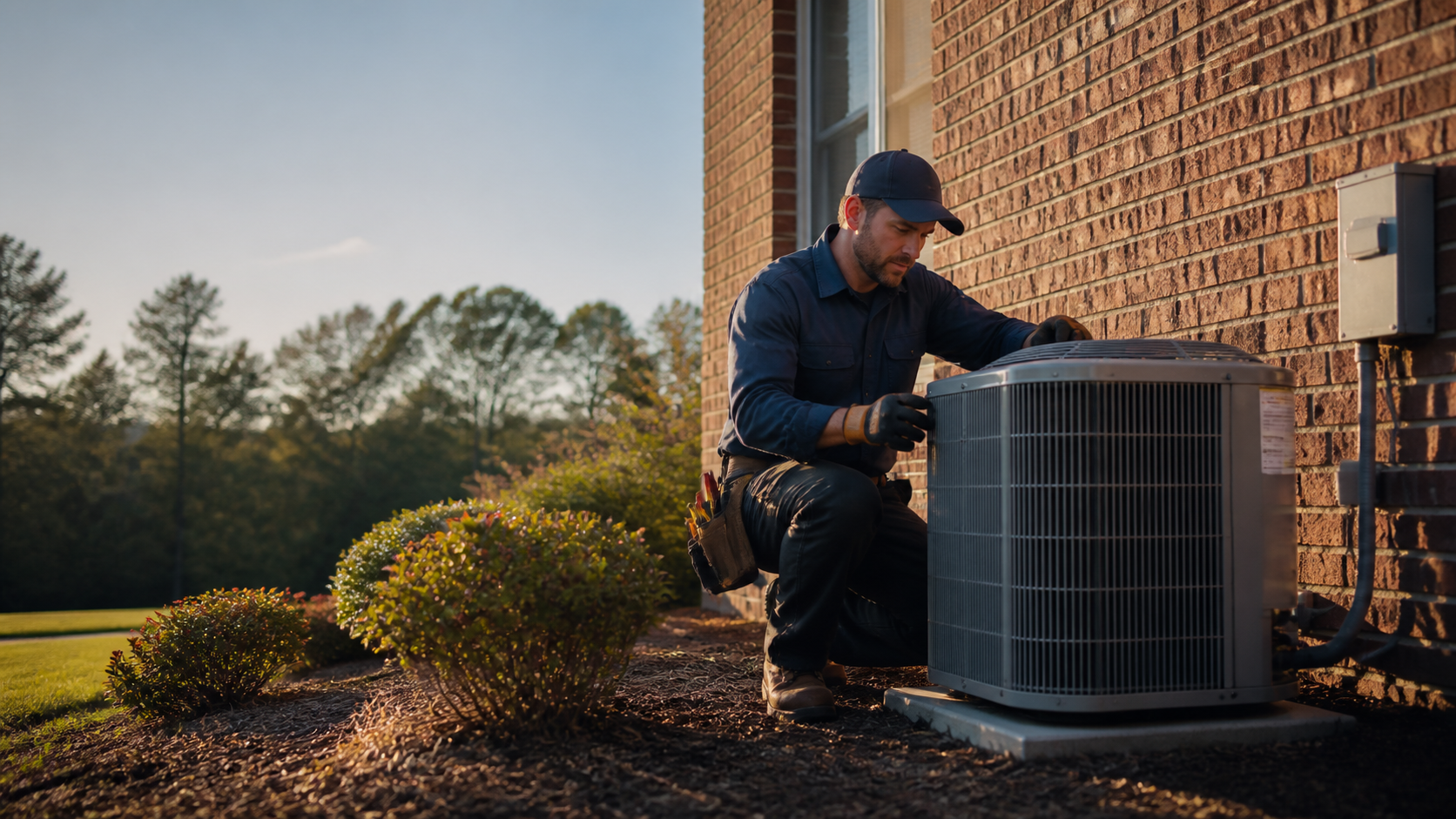
What you hear
The inducer usually runs before the burners light. Note whether the sound is a familiar low hum or a new buzz, whine, scrape, rattle, or vibration, and when it starts and ends.
Safe first checks
Confirm the thermostat is calling for heat, check an accessible filter, and look from outside for leaves, snow, or debris at the intake or exhaust pipes. Do not open the furnace or test its controls.
Leave first
A CO alarm, gas odor, smoke, burning electrical smell, or possible illness changes the plan. Leave the area, call from a safe location, and do not stay inside identifying sounds.
What the inducer motor does
The inducer is a small motor-and-fan assembly that spins up before ignition, establishing draft and pushing combustion gases toward the vent so the burners light into a moving stream rather than a trapped pocket.
The pressure switch and the ordered steps that light the burners vary by furnace model, which is why the same sound can mean different things in different houses.
The inducer and the indoor blower are easy to confuse and completely different parts. The inducer moves exhaust; the blower moves your air.
Sound timing identifies which one is talking, but it never confirms a failed part by itself.
- The inducer helps establish draft before ignition.
- The pressure-switch check and the light-off steps vary by furnace model.
- The inducer and the indoor blower serve different jobs.
- Sound timing helps identify the area to inspect, but does not confirm a failed part.
Is humming before heat normal?
Often, yes. A consistent, familiar low hum during a repeatable cycle is the inducer doing its ordinary work.
A new sound, a louder sound, or a changing sound deserves diagnosis. Motors tend to announce their decline.
Timing separates the suspects: a sound before the burners light points at the inducer; a sound after points at the blower. No heat, repeated shutdowns, water, or a fault code raise the urgency regardless of which.
- A familiar low hum during a consistent cycle may be normal.
- A new, louder, or changing sound deserves diagnosis.
- The sound's timing helps separate the inducer from the blower.
- No heat, repeated shutdown, water, or a fault code raises the urgency.
What different noises can mean
Grinding or scraping suggests metal where metal should not be, and a mechanical problem or contact needs locating.
Rattling or shaking often traces to something loose: a panel, a fastener, the fan assembly, or a vent connection.
A whine, squeal, hum, or buzz is less specific. Several motors, restrictions, and electrical parts sing overlapping songs.
Noise accompanied by a fault code or a failure to ignite needs a sequence and venting check, not a stethoscope.
- Grinding or scraping: a mechanical problem or contact needs to be located.
- Rattling or shaking: a loose panel, fastener, fan assembly, or vent connection is possible.
- Whine, squeal, hum, or buzz: several motors, restrictions, or electrical parts can sound alike.
- Noise with a fault code or no ignition needs a sequence and venting check.
Safe checks before calling for furnace repair
Confirm the thermostat is calling for heat, and check and service an accessible filter according to the manufacturer's instructions.
Look for an obvious obstruction at the outdoor intake or exhaust pipes without disassembling anything. Leaves and snow change how the whole sequence behaves.
Record the sound, its timing, whether ignition follows, and any diagnostic code shown.
Everything else stays closed: sealed panels, gas controls, wiring, and safety switches are not homeowner territory, and the inducer assembly itself sits in the combustion section.
- Confirm the thermostat is calling for heat.
- Check and service an accessible filter according to manufacturer instructions.
- Look for an obvious outdoor intake or exhaust obstruction without disassembling anything.
- Record the sound, timing, ignition result, and any diagnostic code.
- Keep sealed panels, gas controls, wiring, and safety switches closed and untouched.
When the inducer runs but the furnace will not light
The inducer can run perfectly while a later step in the sequence fails. Its sound only covers the first chapter.
A blocked vent, a drain issue, a control fault, a failed igniter, or a pressure-circuit problem can all stop the show after the inducer's entrance.
Repeated attempts and lockouts are reasons to schedule diagnosis rather than keep pressing the reset. And a part should be tested before it is replaced, including this one.
- The inducer can run while a later ignition step fails.
- A blocked vent, drain issue, control, igniter, or pressure circuit can look similar.
- Repeated attempts and lockouts are reasons to schedule diagnosis.
- A part should be tested before it is replaced.
When the noise becomes a safety issue
A CO alarm, possible symptoms, smoke, or a gas odor means leave and call from a safe location. Do not operate switches, reset the furnace, or troubleshoot after leaving.
A furnace noise alone neither proves nor rules out carbon monoxide. The alarm and your symptoms outrank the soundtrack.
A sudden bang at startup needs immediate attention; that is a different and more urgent sound than anything the inducer makes.
- CO alarm, possible symptoms, smoke, or a gas odor: leave and call from a safe location.
- Do not operate switches, reset the furnace, or troubleshoot after leaving.
- A furnace noise alone does not prove or rule out carbon monoxide.
- A sudden bang at startup needs immediate attention.
What to tell an HVAC technician in Frederick County
Start with the furnace make, model, and approximate age.
Describe the sound in your own words, and say whether it is new or getting worse.
Give the timing: when it starts, when it stops, and whether the burners light afterward.
Add any water, odor, vibration, repeated shutdown, or diagnostic code, plus whatever changed before the sound began.
- Furnace make, model, and approximate age.
- The sound in your own words and whether it is new or worsening.
- When the sound starts and stops, and whether the burners light.
- Any water, odor, vibration, repeated shutdown, or diagnostic code.
- What changed before the sound began.
Your ears are the instrument
Hum, rattle, whine, scrape, grind, and when each one happens: that description is the first diagnostic tool applied to this problem, and you own it.
Record a short voice memo from the hallway if you can do it safely. The sound travels better than adjectives.
- Describe the sound; do not diagnose it.
Answers to the usual follow-up questions
What is the noise my furnace makes before the heat comes on?
Usually the inducer motor, the small fan that establishes draft before the burners light. A steady hum is often normal for it; a new rattle, grind, or whine is the sound worth investigating.
Is a humming furnace that will not heat an inducer problem?
Not necessarily. A humming inducer with no heat usually means a later step failed: ignition, a pressure circuit, a blocked vent, or a control. The hum is the alibi, not the culprit, and testing sorts it out.
Can I fix a noisy inducer motor myself?
No. The inducer sits in the combustion section behind sealed panels, near gas controls and electrical parts. Cleaning, lubricating, or replacing it belongs to a technician with the right tools and the model's service procedure.
Is a grinding inducer motor an emergency?
It warrants prompt attention rather than an emergency call by itself. It becomes urgent with a CO alarm, gas odor, smoke, or a burning electrical smell. Shut the furnace off and arrange diagnosis promptly either way.
Could a blocked vent cause inducer noise?
Yes. A restricted vent changes the pressure the inducer works against, and motors strain audibly. Checking the intake and exhaust pipes for obstructions, from a safe position, is one of the few homeowner checks that applies here.
Should I keep running my furnace with a noisy inducer?
The sound in your own words, whether it is new, when it starts and stops relative to ignition, whether the burners light, any fault code, and what changed before it began. A voice memo from a safe distance helps.
Should I keep running my furnace with a noisy inducer?What should I tell a furnace technician about the noise?
The indoor blower makes its noise after the burners light and continues through the cycle, while the inducer runs first and stops once draft is proven or ignition fails. Timing places the sound before anyone opens a panel, and both motors deserve testing rather than guessing.