Dirty Flame Sensor Symptoms
Why a Furnace Starts Then Shuts Off
The clearest dirty flame sensor symptom is a gas furnace that lights, runs for a few seconds, and then shuts the burner off. You may hear the furnace run through its light-off steps, feel a short burst of warm air, and then watch the system try again. A dirty or failing flame sensor is one possible cause, but that pattern can also come from restricted airflow, a burner problem, an igniter, venting, or a control fault.
The important point is that a flame sensor is a safety part. Recognize the pattern, make a few low risk observations, and stop before opening or altering gas, combustion, wiring, or sensor components.
This guide explains what the symptom means, what else can cause a furnace to start and shut off, what you can safely check, and when a furnace problem becomes an emergency.
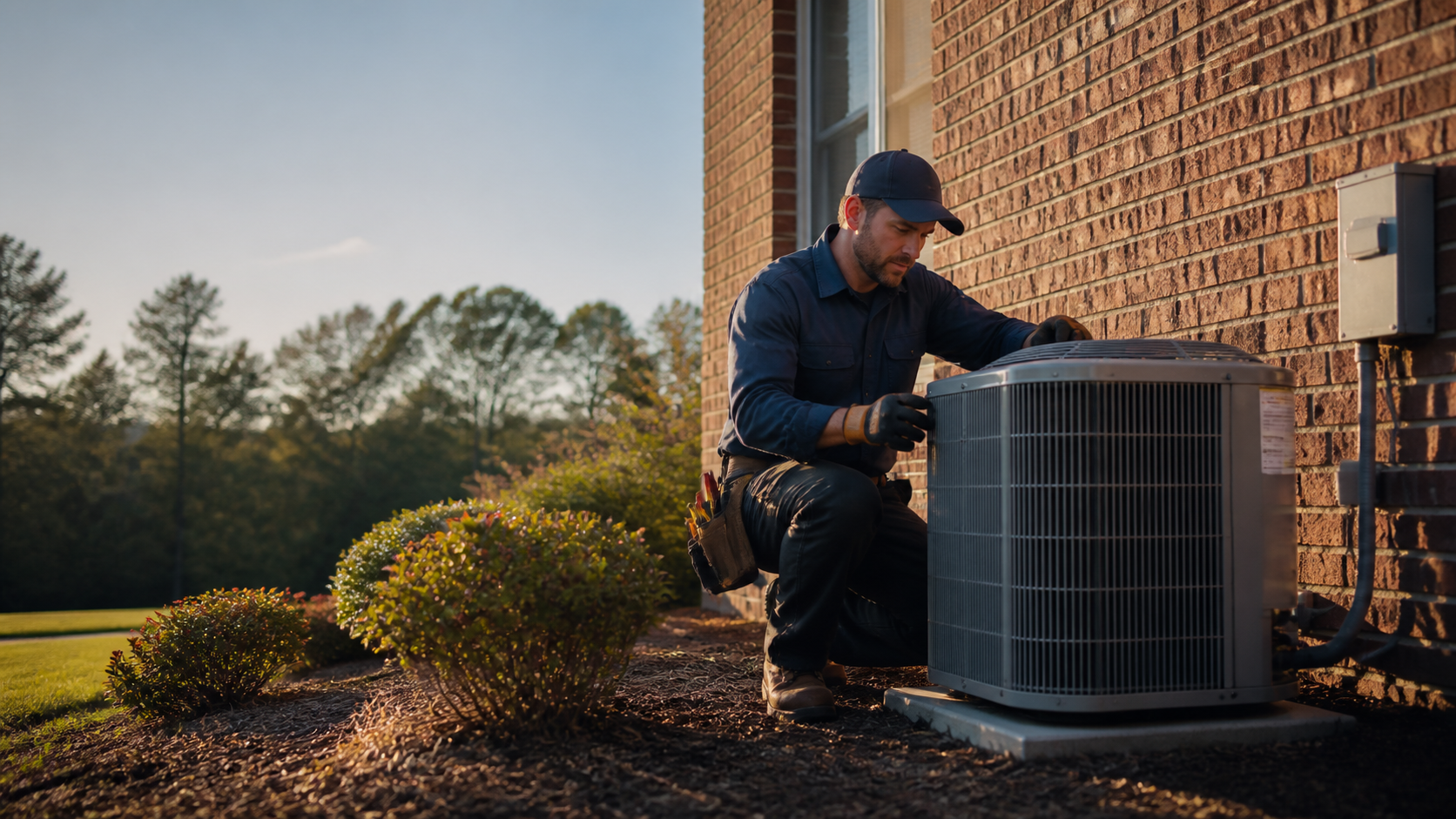
Classic symptom
The burners ignite, then shut off after roughly two to five seconds. The furnace may repeat the sequence, blow cool air, show a fault code, and eventually lock out.
Safe to check
Confirm the thermostat, inspect the filter, make sure vents are open, and observe one heating attempt from a safe position. Do not open the burner compartment or touch gas, wiring, or sensor components.
What to tell us
Share how long the burner stays lit, how many attempts occur, whether the blower starts, what code appears, and when the problem began. Those details help a technician test the right part.
What are the main dirty flame sensor symptoms?
Look for a group of symptoms rather than one isolated clue. The burners may ignite and then shut off after roughly two to five seconds.
The furnace can repeat the start-and-stop sequence several times, leave the house cold, blow cool air after the burner cuts out, or eventually lock out after repeated failed attempts.
An ignition or flame detection code may appear on the furnace control board or thermostat. Write down what happens before calling for service.
Note how long the burner stays lit, how many attempts occur, whether the blower starts, and what the thermostat or furnace light displays. That information is more useful than telling a technician to replace a part you have not tested.
- The burners ignite, then shut off after roughly two to five seconds.
- The furnace repeats the start-and-stop sequence several times.
- The house stays cold or the furnace blows cool air after the burner cuts out.
- An ignition or flame detection code appears, or the furnace locks out.
What does a furnace flame sensor do?
A modern gas furnace usually has a narrow metal rod positioned near the burner flame. The flame sensor detects the presence of combustion and sends a signal to the control.
If the expected signal is missing, the control closes the gas valve and stops the cycle. That prevents the furnace from continuing to supply fuel when it cannot confirm that the flame is burning.
The sequence is straightforward. Your thermostat asks for heat.
The igniter activates, the gas valve opens, and the burners light. The flame sensor then has to confirm the flame.
If the control does not receive that confirmation within a few seconds, it shuts off the gas and may retry the ignition sequence — the programmed steps the furnace runs each time it lights. After repeated failures, the furnace may lock out.
That is why a dirty sensor can look like a furnace that starts normally and then suddenly gives up. Soot or oxidation on the rod may interfere with the signal.
A damaged or misaligned sensor, loose connection, or another combustion problem can create a similar result.
- The thermostat asks for heat and the igniter lights the burners.
- The flame sensor confirms that combustion is present.
- The control shuts the gas valve if it cannot confirm the flame.
- A dirty, damaged, misaligned, or poorly connected sensor can affect the signal.
What does a dirty or failing sensor look like in daily use?
The timing of the failure often tells you more than the sound of it. If the burners never light, the issue may be in the thermostat's request for heat, the igniter, gas supply, pressure switch, or control sequence.
If the burners light and then stop within seconds, flame sensing becomes one reasonable possibility. If the furnace runs for several minutes and then shuts down, airflow or overheating is the likelier branch.
A sensor problem may appear as a short, hot burst from the registers followed by cool air, several ignition attempts during one call for heat, or no sustained heat even though you can hear the furnace trying to start. It can also return to normal temporarily and then fail the same way later.
Do not keep resetting the furnace every few minutes just to make it try again. Repeated lockouts are useful diagnostic information.
Record the code and the timing, then arrange a diagnosis if the problem continues.
- A short, hot burst from the registers followed by cool air.
- Several ignition attempts during one call for heat.
- No sustained heat even though the furnace tries to start.
- A fault light or message related to ignition or flame detection.
- The same failure returning after a temporary return to normal.
What else can make a furnace start and then shut off?
A dirty flame sensor is common enough to recognize, but it is not the only explanation. Restricted airflow from a dirty filter can let the heat exchanger overheat and trigger the limit switch.
A clogged filter can also increase furnace run time, motor wear, and energy use.
Other possibilities include a burner that is dirty, rusted, damaged, or partially blocked; a worn igniter or pilot or spark problem; a pressure switch or venting problem; a gas valve or control board problem; loose wiring; or a thermostat that ends the heat call unexpectedly.
This is why part swapping is a poor shortcut. The same symptom can come from a safety control responding correctly to another fault.
A technician needs to walk the furnace's whole light-off routine and the conditions around the shutdown, not just look for a dark spot on one component.
- A dirty filter or restricted airflow that causes overheating.
- A dirty, rusted, damaged, or partially blocked burner.
- A worn igniter, pilot or spark problem, pressure switch, or venting fault.
- A gas valve, control board, wiring, or thermostat problem.
- A safety control responding correctly to another fault.
What can I safely check before calling for repair?
Stay with observations that do not require opening the burner compartment or touching wiring and gas components. Confirm the thermostat is set to Heat, the set temperature is above the room temperature, and the fan is set to Auto if that matches your normal setup.
Inspect the air filter. If it is visibly dirty, replace or clean it only as the equipment instructions allow, using the correct size and airflow direction.
Make sure supply and return vents are open and not covered by furniture, rugs, or storage. Do not remove panels to reach hidden ductwork.
From a safe position, watch one heating attempt. Note whether the igniter glows, the burners light, the blower starts, and how many seconds pass before the shutdown.
Photograph a visible error code and record the furnace model number without touching the circuit board or using the code as permission to test live equipment.
Do not bypass the flame sensor. Do not sand, scrape, clean, bend, reposition, or replace it unless a qualified professional is handling the work.
If the furnace repeats the fault after basic checks or locks out again, stop troubleshooting and request service.
- Confirm the thermostat is calling for heat and the fan setting is normal.
- Inspect the filter and replace it only as the equipment instructions allow.
- Make sure supply and return vents are open and unobstructed.
- Record the ignition timing, blower behavior, model number, and visible code.
- Do not open the burner compartment or alter gas, combustion, wiring, or sensor components.
When is a furnace shutdown an emergency?
Leave the home and call 911 or the gas utility from a safe distance if you smell gas, a carbon monoxide alarm sounds, you see smoke or sparking, or anyone develops possible carbon monoxide symptoms. Do not stay inside trying to identify the flame sensor.
Do not restart the furnace or reset the breaker while the home may be unsafe.
Carbon monoxide is odorless and colorless. Gas and oil furnaces can produce it, and symptoms can include headache, dizziness, weakness, nausea, vomiting, chest pain, and confusion.
Once emergency responders or the utility say the property is safe, the furnace still needs a proper diagnosis before normal operation resumes.
A dirty sensor is not a safe explanation for gas odor, a CO alarm, or a combustion warning. Handle the safety emergency first, then arrange HVAC service.
- Gas odor: leave first and call from a safe location.
- A carbon monoxide alarm or possible carbon monoxide symptoms: get outside and call 911.
- Smoke or sparking: leave the property and request emergency help.
- Do not restart the furnace or reset the breaker while the home may be unsafe.
When should I schedule furnace repair in Frederick County?
Schedule a furnace diagnosis when the system repeatedly lights and shuts off, leaves the home without heat, shows an ignition or flame fault, or locks out after the checks above. The visit goes faster when you can share the furnace model, the exact timing, the error code, the filter condition, and anything that changed before the problem started.
HVAC Repair Frederick presents furnace repair and heating services for homeowners in Frederick County, Maryland. The useful next step is a diagnosis that answers what stopped the heating cycle and whether the flame sensor, airflow, ignition, venting, or control system needs attention.
You do not need to guess the part first.
If the furnace is safe but unreliable, get the symptom documented before a cold night turns a small question into a no-heat problem. If there is gas odor or a CO alarm, leave first and handle the safety emergency before arranging HVAC service.
- The furnace repeatedly lights and shuts off.
- The home is without heat or the furnace locks out.
- An ignition or flame fault appears after basic safe checks.
- You have recorded the timing, retries, code, filter condition, and recent changes.
Count the seconds before shutdown
The signature move is burners that light, hold for a two-to-five count, and quit — then the furnace tries again, and again, and finally locks out with a code. Grab your phone, time one attempt, and film the sight window.
That number of seconds is the single most useful thing you can bring us. It separates a flame-sensing fault from an airflow or control story before anyone opens a toolbox.
- Light, two-to-five seconds, out, retry, lockout — time it once.
Answers to the usual follow-up questions
Why does my furnace light then shut off after a few seconds?
A dirty or failing flame sensor is one possible cause. The burners light, but the sensor may not confirm the flame, so the furnace shuts the gas off as a safety step within a few seconds. Restricted airflow, ignition, venting, burner, wiring, or control problems can create a similar pattern, so a technician should confirm the cause.
What does a flame sensor do on a furnace?
It confirms that combustion is present after the burners light. If the control cannot receive the expected signal within a few seconds, it shuts off the gas to avoid continuing to supply fuel without confirmed flame.
Can I clean the flame sensor myself?
Do not open the burner compartment or sand, scrape, clean, bend, reposition, or replace the sensor yourself. It is a safety part near gas, combustion, wiring, and the burner flame path. Have a qualified professional handle the work and verify the signal.
What else can cause a furnace to start and then shut off?
A dirty filter or restricted airflow, a burner problem, worn igniter, pressure switch or venting issue, gas valve, control board, loose wiring, or thermostat problem can look similar. The timing helps, but testing is needed to identify the actual fault.
Is a furnace that starts and stops dangerous?
The shutdown may be the furnace responding to a missing flame signal or another safety condition, but do not keep forcing restarts. If you smell gas, see smoke or sparking, hear a carbon monoxide alarm, or anyone has possible carbon monoxide symptoms, leave immediately and call 911 or the gas utility from a safe location.
How much does a flame sensor repair cost?
The cost depends on whether the sensor is dirty, worn, damaged, or not the actual cause, along with labor and access. A technician should test the system and give you the repair price after identifying what stopped the heating cycle.
When should I call for furnace repair in Frederick?
Call when the furnace repeatedly lights and shuts off, leaves the home without heat, shows an ignition or flame fault, or locks out after safe checks. Share the furnace model, timing, retries, visible code, filter condition, and recent changes.