Blower Cleaning
What Frederick Homeowners Should Know About HVAC Airflow
When air is barely coming from the vents, some rooms feel warmer than others, or dust keeps collecting around the returns, blower cleaning may be part of the answer. The blower wheel is the fan inside your furnace or air handler that moves conditioned air into the ductwork. Dust, lint, and greasy buildup can affect how that wheel moves air.
That does not mean every weak-airflow problem needs blower cleaning. A dirty filter, blocked return, duct problem, indoor coil issue, or equipment fault can create similar symptoms. The useful question is what is restricting airflow and what the system needs to operate safely.
Here is what blower cleaning can address, what you can check without opening the equipment, and when a diagnosis matters more than naming a part.
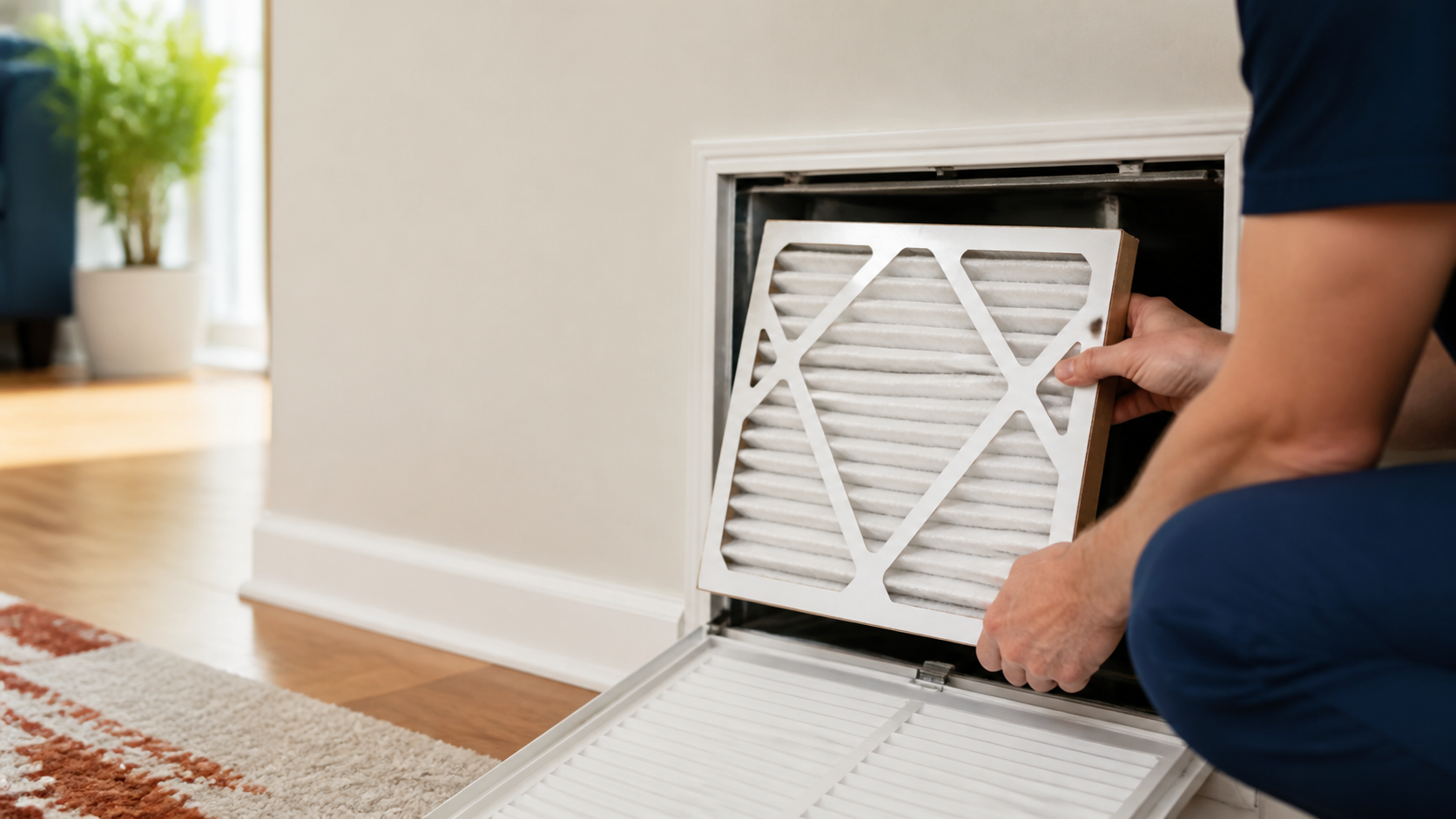
Check first
Confirm the filter is seated and not heavily loaded, move furniture away from return grilles, and make sure supply vents are open. Note whether the weak airflow affects the whole home or only certain rooms.
Stop at the cabinet
Do not remove a blower access panel, disconnect wires, adjust a motor, handle refrigerant, or work around burners and heat exchangers. Blower removal and technical cleaning belong with a trained HVAC professional.
What to tell the technician
Share the equipment type, rooms affected, filter condition, new sounds, and whether the problem occurs in heating, cooling, or both. Mention any ice, water, burning smell, or repeated cycling.
What Does HVAC Blower Cleaning Do?
A blower assembly usually includes a motor, a wheel sometimes called a squirrel cage, and a housing. The motor turns the wheel, and the wheel pushes air across the indoor coil or through the furnace and into the supply ducts.
When dirt coats the wheel or collects in the housing, the system may move less air or work harder to maintain the thermostat setting.
Cleaning and adjusting blower components is part of a proper cooling maintenance check because airflow affects comfort and system operation. A dirty wheel matters, but cleaning is not a promise that every comfort problem will disappear.
If the actual restriction is in the filter, ductwork, coil, or return path, the next step is diagnosis rather than repeating the same cleaning.
- The motor turns the blower wheel, which moves air into the ductwork.
- Dust, lint, and greasy buildup can reduce how much air the wheel moves.
- A restricted air path can make the system work harder to reach the thermostat setting.
- Cleaning helps when buildup is the restriction, not when another part of the system is responsible.
Signs Your Blower Wheel May Need Cleaning
You cannot confirm a dirty blower wheel from one symptom alone. Look for a pattern and describe what changed.
Airflow from several vents may feel weaker than it used to, rooms may become uneven, or the system may run longer than usual to reach the setpoint.
Dust around return grilles or supply registers, a new rattling, scraping, squealing, or vibrating sound, frequent cycling, or visible oil and debris in the blower compartment are useful clues. These signs can also come from a filter, blocked return, dirty indoor coil, duct problem, or another equipment fault.
If you see ice on a cooling coil, do not treat it as proof that the blower needs cleaning. Ice, a dirty filter, a dirty indoor coil, and a dirty blower wheel are separate possible airflow conditions.
- Several vents feel weaker even though the thermostat is calling.
- Rooms that used to stay comfortable now feel uneven.
- Dust returns soon after cleaning, or the system makes a new noise.
- The system cycles more often, runs longer, or struggles to reach the setpoint.
- A technician sees oil, debris, or heavy buildup on the wheel or in the compartment.
What Can You Check Safely Before Service?
Start with the parts you can observe without opening the equipment cabinet. Check the filter and make sure it is the correct size, seated properly, and not heavily loaded with dust.
Follow the equipment and filter manufacturer's instructions, especially if the filter becomes dirty faster because of pets, renovations, or unusual dust.
Look at the return grilles and move furniture, boxes, rugs, and curtains away from them. Make sure supply registers are open and not covered.
Compare weak rooms with rooms that still feel normal, and confirm whether the symptom appears during heating, cooling, or both.
Record when airflow weakened, whether you hear a new noise, whether the system freezes or leaks water, and whether a filter change changed anything. These observations help a technician start with the symptom instead of a guess.
- Check the filter for the right size, fit, and heavy dust loading.
- Clear furniture, boxes, rugs, and curtains away from return grilles.
- Make sure supply vents are open and compare affected rooms with normal rooms.
- Note the mode, timing, sounds, ice, water, and result of any filter change.
What Happens During Professional Blower Cleaning?
The exact process depends on the furnace, air handler, heat pump, or ductless system. A proper visit should begin with an inspection, not an automatic recommendation.
The technician compares the symptoms with the filter, return path, blower compartment, coil, ductwork, and equipment condition.
If the wheel is dirty, the technician isolates power before accessing the assembly. On some systems, the blower assembly must be removed from its housing so the wheel and surrounding surfaces can be cleaned rather than brushed only from the cabinet opening.
Ductless mini-splits have different access needs, so a furnace procedure should not be applied to a wall-mounted heat pump.
Cleaning is only part of the job. The assembly needs to go back together correctly, and the system should be checked after service in both heating and cooling modes when applicable.
Blower airflow and fan operation should be evaluated so the original symptom has a clear follow-up.
- Inspection comes before a recommendation to clean.
- Power is isolated before the blower assembly is accessed.
- Some systems require assembly removal to clean the wheel thoroughly.
- The system should be reassembled and checked after service.
How Often Should a Blower Be Cleaned?
There is no honest calendar answer that fits every home. Buildup depends on filter fit and condition, dust, pets, construction activity, indoor humidity, equipment design, and how often the system runs.
A blower may need inspection before it needs cleaning.
Use seasonal maintenance as the planning anchor. Cooling can be checked in spring and heating in fall, with blower components, filters, controls, electrical connections, and the drain line included in the inspection.
A fuel-burning furnace also needs its own annual safety inspection and servicing by a trained technician.
A monthly filter check is a useful starting point. Homes with pets, renovations, or unusual dust may need more frequent attention, while a clean, well-sealed home may go longer between blower cleanings.
The condition of the wheel is more useful than an arbitrary schedule.
- Inspect the filter monthly and follow the equipment manufacturer's instructions.
- Plan cooling maintenance in spring and heating maintenance in fall.
- Expect buildup to vary with pets, dust, construction, humidity, and equipment use.
- Let the wheel's condition determine whether cleaning is needed.
Why Cleaning May Not Fix Every Airflow Problem
Airflow is a system result. The blower creates movement, but the air still has to pass through the filter, coil, cabinet, ducts, registers, and returns.
One restriction can make the blower look guilty when the real problem is elsewhere.
Common alternatives include a dirty or incorrectly fitted filter, a blocked return grille, a closed supply register, a dirty evaporator coil, duct leakage, crushed flex duct, a separated connection, a filter with more resistance than the system can handle, high static pressure, or a blower motor and control problem.
That is why a good diagnosis may include airflow or pressure measurements, not just a photograph of dust. If cleaning is recommended, ask what was observed, what other causes were checked, and how the system will be evaluated afterward.
- A dirty or poorly fitted filter can restrict the system before air reaches the blower.
- A blocked return, closed register, dirty coil, or damaged duct can limit airflow.
- High static pressure and motor or control problems need more than cleaning.
- Measurements can separate a dirty wheel from another restriction.
When Should Blower Cleaning Wait for a Safety Response?
Blower cleaning is routine maintenance. A carbon monoxide alarm, gas odor, or strong burning electrical smell changes the situation.
If a carbon monoxide alarm sounds, leave for fresh air, call emergency services or the fire department, and do not reenter until responders say it is safe.
If you smell strong gas, leave immediately. Do not use a phone, light switch, appliance, or flashlight in the area where you smell it.
Call 911 or the local gas utility from a safe location. A persistent burning smell, smoke, repeated breaker trip, water near electrical equipment, or ice on the coil is also a reason to stop experimenting and request HVAC help.
Do not remove panels, reset equipment repeatedly, handle refrigerant, adjust gas controls, or work around burners and heat exchangers. Explain exactly what you saw or smelled when you request help.
- Leave and call 911 or the fire department if a carbon monoxide alarm sounds.
- Leave immediately and call from a safe location if you smell strong gas.
- Stop and request help for smoke, a strong burning smell, repeated breaker trips, water near electrical equipment, or ice.
- Do not open the cabinet or work on electrical, refrigerant, combustion, or gas components.
What Is the Right Next Step in Frederick County?
If the filter and vents are clear but airflow remains weak, request diagnosis rather than naming the blower wheel as the failed part. Share the equipment type, rooms affected, filter condition, sounds, water or ice, and whether the problem occurs in heating, cooling, or both.
The next step may be cleaning, testing, repair, or maintenance. A technician can compare the symptom with the filter, return path, coil, blower, ducts, and controls, then explain what was found and what can wait.
The goal is not a mystery invoice or a replacement pitch hidden inside a service call. It is a clear answer about what is restricting airflow and what the system needs to operate safely.
- Describe the symptom and affected rooms instead of naming a failed part.
- Include equipment type, filter condition, sounds, ice, water, and operating mode.
- Expect the next step to be cleaning, testing, repair, or maintenance based on the finding.
- Ask what was observed, what was ruled out, and how operation will be checked afterward.
Answers to the usual follow-up questions
Does changing the filter clean the blower wheel?
No. A filter change does not remove buildup already stuck to the blower wheel or inside its housing. It is still an important first check because a loaded filter can restrict airflow and contribute to equipment strain.
Is blower cleaning the same as duct cleaning?
No. The blower, indoor coil, drain pan, plenums, ducts, and registers are different parts of the air-delivery system. Duct cleaning does not automatically mean the blower wheel was removed and cleaned, and blower cleaning does not automatically clean every duct.
Can I vacuum the blower myself?
Do not treat a cabinet opening as a simple vacuuming project. Access may involve electrical connections, sharp metal, a motor, and combustion components. Leave blower removal and technical cleaning to a trained HVAC professional. Start with the filter, thermostat, return grilles, and supply vents.
Will blower cleaning stop weak airflow?
It may help when buildup is restricting the wheel or compartment, but it cannot correct every duct, filter, coil, static-pressure, motor, or control problem. A persistent symptom needs diagnosis, and cleaning should be followed by an operation check.
When should I schedule blower cleaning?
Ask about it during seasonal maintenance or when weak airflow, excessive dust, unusual noise, uneven comfort, or frequent cycling persists after safe filter and vent checks. In Frederick County, a local HVAC diagnosis can separate blower cleaning from the other repairs and maintenance tasks that may produce similar symptoms.