AC Coil Cleaning in Frederick
What Homeowners Should Know
Your air conditioner moves heat from inside the house to outside it, and the coils are where that handoff happens. When dirt packs onto the indoor coil or the outdoor one, the system has to run longer to move the same heat — and everything works harder than it should.
So the useful questions for a Frederick County homeowner are simple: what changed, what can you check safely, and is the next step routine maintenance or a real diagnosis?
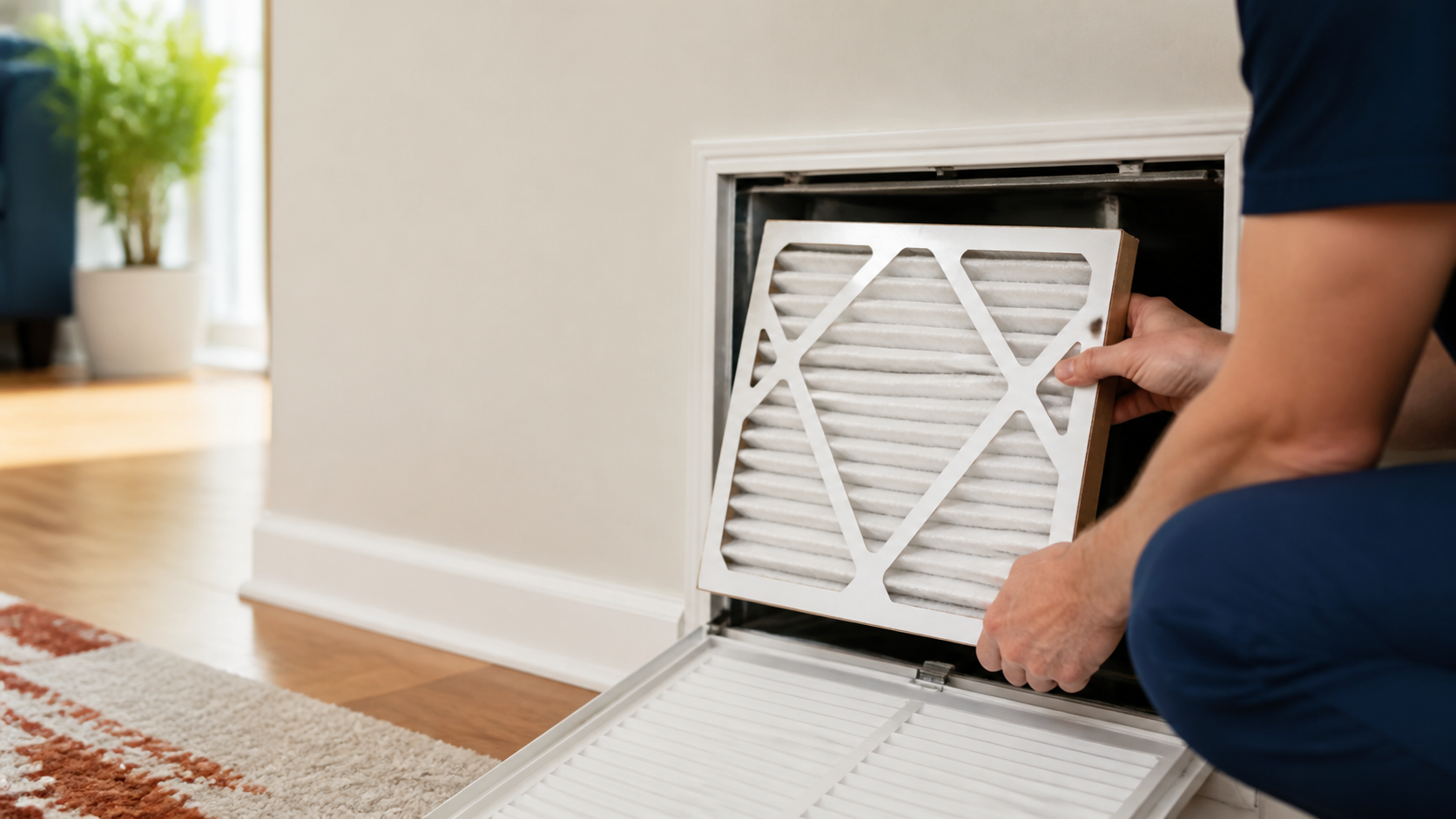
Check first
Look at the filter and the outdoor unit from a safe distance. Replace or clean a dirty filter as directed, and clear leaves and grass without opening the cabinet.
Stop here
Do not open panels, work near wiring or a fan, use chemical cleaner, connect gauges, or use a pressure washer. Leave the indoor coil and refrigerant work to a qualified technician.
What to tell us
Note when cooling changed, whether airflow is weak, whether you see ice or water, how quickly the filter gets dirty, and when the coils were last checked.
What AC coils do in your system
Most split-system air conditioners use two coils as part of one heat-transfer process. The indoor evaporator coil absorbs heat and humidity from the air inside your home.
The outdoor condenser coil releases that captured heat outside.
The condenser coil sits outdoors, where leaves, grass, dust, and other debris collect. The evaporator coil is inside the air handler or furnace cabinet, where it is harder to reach.
Seeing the outdoor cabinet does not make opening the indoor cabinet a safe homeowner task.
- The indoor evaporator coil absorbs heat and humidity.
- The outdoor condenser coil releases that heat outside.
- Both coils affect cooling performance and equipment strain.
- Their locations and access make their cleaning methods different.
Signs a dirty coil may be part of the problem
Dirty coils do not produce one unique symptom. Weak cooling can also come from airflow, drainage, refrigerant, electrical, duct, or equipment problems.
A dirty coil is one possible cause, not a diagnosis from a single clue.
An inspection is reasonable when the air conditioner runs for a long time but rooms still feel warm, airflow feels weaker than it used to, or the system takes longer to reach the thermostat setting. Outdoor debris, a change after remodeling or heavy dust, ice on the indoor coil or refrigerant line, and water near the indoor equipment are useful clues too.
ENERGY STAR says dirty coils reduce cooling ability and cause longer run times. Its maintenance guidance also notes that airflow problems can reduce efficiency by up to 15 percent.
Coil fouling can reduce airflow, efficiency, and capacity, with the effect depending partly on existing airflow.
Ice deserves extra attention. Heavy dirt on an indoor coil chokes the airflow across it, and that can help freeze the coil solid.
If you see ice, turn cooling off and have it looked at rather than running it and guessing. And if the line that carries away the water pulled from your air gets plugged, you'll see water where it doesn't belong and the house may feel muggy.
- Long run times or rooms that remain warm.
- Weaker airflow or a longer time to reach the thermostat setting.
- Leaves, grass, dust, or heavy debris around the outdoor unit.
- Ice on the coil or refrigerant line, or water near the indoor equipment.
What you can safely do at home
Homeowner maintenance means limiting dirt and keeping the outdoor unit clear. It does not mean opening the cabinet, spraying unknown chemicals, or taking apart the condensing unit.
Start with the filter. Check it on the schedule recommended for your equipment and replace or clean it when it is dirty, using the correct size and type.
ENERGY STAR recommends inspecting, cleaning, or changing central HVAC filters monthly and warns that a dirty filter can increase energy costs and damage equipment. Routine filter care can lower air-conditioner energy consumption by 5 to 15 percent, though actual results depend on the home and system.
Without removing panels, clear leaves and grass from the outdoor cabinet and keep plants and stored items from crowding it. Keep at least two feet of space around the outdoor unit.
Stop if the next step requires opening a panel, touching wiring, working near a fan, using chemical cleaner, or connecting gauges. Do not use a pressure washer.
High pressure can damage the fins and restrict airflow. Do not buy refrigerant or attempt to charge the system yourself.
- Inspect, clean, or replace the filter as the equipment instructions recommend.
- Keep leaves, grass, plants, and stored items away from the outdoor cabinet.
- Do not open panels, use chemical cleaner, or use a pressure washer.
- Leave refrigerant work and indoor-coil access to a qualified technician.
What professional AC coil cleaning usually includes
The exact process depends on the equipment, where it sits, and what's built up on it. A typical indoor-coil service means shutting the system down safely, getting to the coil, clearing the surface dirt, and checking for damage or leaks.
The drain pan and the line that empties it belong in that visit too.
Outdoor condenser coil cleaning may involve clearing debris, choosing a suitable cleaning method, and rinsing gently at an appropriate pressure. The method varies with the coil and the material on it.
A good visit looks beyond visible dirt. It may include airflow, drainage, refrigerant, and operating checks.
That broader inspection matters because a clean coil cannot correct every air-conditioning problem.
If a coil is clean but airflow is still weak, the next questions may involve the blower, filter fit, ductwork, refrigerant circuit, electrical parts, or the home's heat load.
- Safe shutdown and access appropriate to the equipment.
- Surface-dirt removal and inspection for damage or leaks.
- Drain pan, drain line, airflow, and operating checks.
- A conversation about separate repairs if cleaning does not explain the symptom.
How often should AC coils be checked?
No single interval fits every Frederick home. Dust, pets, renovation work, filter condition, outdoor debris, runtime, and coil access all affect buildup.
Use annual pre-season maintenance as a planning baseline. ENERGY STAR recommends annual checkups and suggests scheduling cooling service in spring, before summer demand peaks.
The Department of Energy advises checking the evaporator coil every year and cleaning it as needed.
Schedule an earlier look if the filter gets dirty quickly, construction dust entered the home, outdoor debris is heavy, or the system runs longer than before. A maintenance plan should fit the equipment and home.
- Plan a cooling check each spring before peak summer demand.
- Have the evaporator coil checked annually and cleaned as needed.
- Move the visit earlier when dust, debris, filter, or runtime conditions change.
- Choose a maintenance rhythm that fits the equipment and the home.
When to schedule cleaning or AC diagnosis in Frederick
Schedule routine maintenance when cooling is normal but a seasonal checkup is due. Ask for an inspection when the filter and outdoor area are clean but weak airflow, long run times, warm rooms, ice, or water remain.
Note when the symptom began and whether it affects the whole home or one room.
If the equipment is older or no longer keeps the home comfortable, cleaning may be only one part of the decision. Professional evaluation gives you a clearer choice between maintenance, repair, a major component decision, or replacement planning.
It does not automatically mean replacement.
The right AC coil cleaning visit should answer plain questions: Which coil is dirty? What caused the buildup?
Is airflow normal? Is the drain clear?
Did cleaning correct the symptom? Coil cleaning is not a universal cure, so the next recommendation should follow what the system check finds.
- Normal cooling plus a due seasonal checkup calls for maintenance.
- Persistent weak airflow, long run times, warm rooms, ice, or water call for diagnosis.
- Older equipment or persistent discomfort may require a broader evaluation.
- Ask what was found, what cleaning corrected, and what separate repair remains.
Your half of coil care
Everything on the homeowner list happens with the cabinet shut: check the filter on its schedule, swap or wash it when it's dirty, pull leaves and grass back from the outdoor unit, and give that unit two feet of breathing room.
That routine is small, but it's the part that keeps dirt from reaching the coils in the first place. Do it steadily and the professional visits get simpler.
- Filter on schedule, outdoor unit clear — that's the homeowner share.
The line you don't cross
No opening panels, no working near wiring or the fan, no chemical cleaners, no gauges, no pressure washer. The indoor coil and anything touching refrigerant belong to a qualified technician.
A pressure washer can flatten the delicate fins on an outdoor coil in one pass. If a task feels like it needs tools beyond a screwdriver for the filter door, it's already past the line.
- Panels closed, chemicals away, washer in the shed — always.
Answers to the usual follow-up questions
Can I clean my outdoor condenser coil myself?
You can remove loose leaves and keep the area clear without opening the unit. Deep cleaning is different. Avoid a pressure washer and stop if panels or electrical parts are involved.
Does a dirty filter mean the coils are dirty?
Not necessarily. A dirty filter can contribute to restricted airflow and more dirt downstream, but it does not prove the evaporator coil needs cleaning. Persistent symptoms call for a broader inspection.
Does AC coil cleaning fix ice on the system?
It may address one contributing condition, but ice can have several causes. Turn off cooling and arrange an evaluation rather than repeatedly restarting the system.
Is condenser coil cleaning the same as evaporator coil cleaning?
No. The condenser coil is outdoors and releases heat. The evaporator coil is indoors and absorbs heat and humidity. Their locations, access, buildup, and cleaning methods differ.
What should I know about what ac coils do in your system?
Think of them as the two ends of the same job. The indoor coil pulls heat and humidity out of your air; the outdoor coil dumps that heat into the yard. Dirt on either end slows the whole handoff, which is why one dirty coil can show up as a whole-house problem.