Filters, coils, and blower
Restricted airflow raises run time, comfort complaints, and stress on motors and coils.
A maintenance plan should leave you with a clear record: what we checked, what's fine, and what needs attention before heavy weather. That's exactly what ours does.
Homeowners usually want three things from maintenance: to know what a tune-up checks, whether a plan is worth it, and how seasonal service prevents repeat no-heat and no-cooling calls. Here's how we handle all three.
Restricted airflow raises run time, comfort complaints, and stress on motors and coils.
Drain problems can show up as water near equipment, float-switch shutdowns, or sticky indoor air.
Weak electrical parts often show up as hard starts, buzzing, short cycling, or sudden no-cooling calls.
Ignition behavior, venting clues, flame sensing, and safety controls matter before heating season.
Cooling and heating tune-ups share some checks, but peak-season problems show up differently.
On cooling tune-ups we look for dirty coils, clogged drains, weak capacitors, blower strain, thermostat issues, and outdoor-unit problems.
View serviceOn heating tune-ups we check ignition, flame sensing, burners, filters, airflow, venting, electrical connections, and safety controls.
View serviceA plan earns its keep when equipment is older, run time is heavy, filters clog quickly, or past breakdowns hit at the worst time.
View serviceA tune-up often catches a failing capacitor, ignitor, drain switch, blower issue, or control problem before it becomes an emergency.
View serviceThis is the practical coverage you should expect from any seasonal visit.
We check filters, coils, drains, blower operation, capacitors, contactors, thermostat behavior, and airflow before long AC run times.
We check ignition parts, burners, flame sensing, venting, blower operation, filters, electrical connections, and safety controls.
Weak returns, blocked vents, dirty filters, and blower strain can make good equipment feel bad in the rooms - we measure instead of guessing.
You'll know what's fine, what needs service now, and what may fail during the next heavy season.
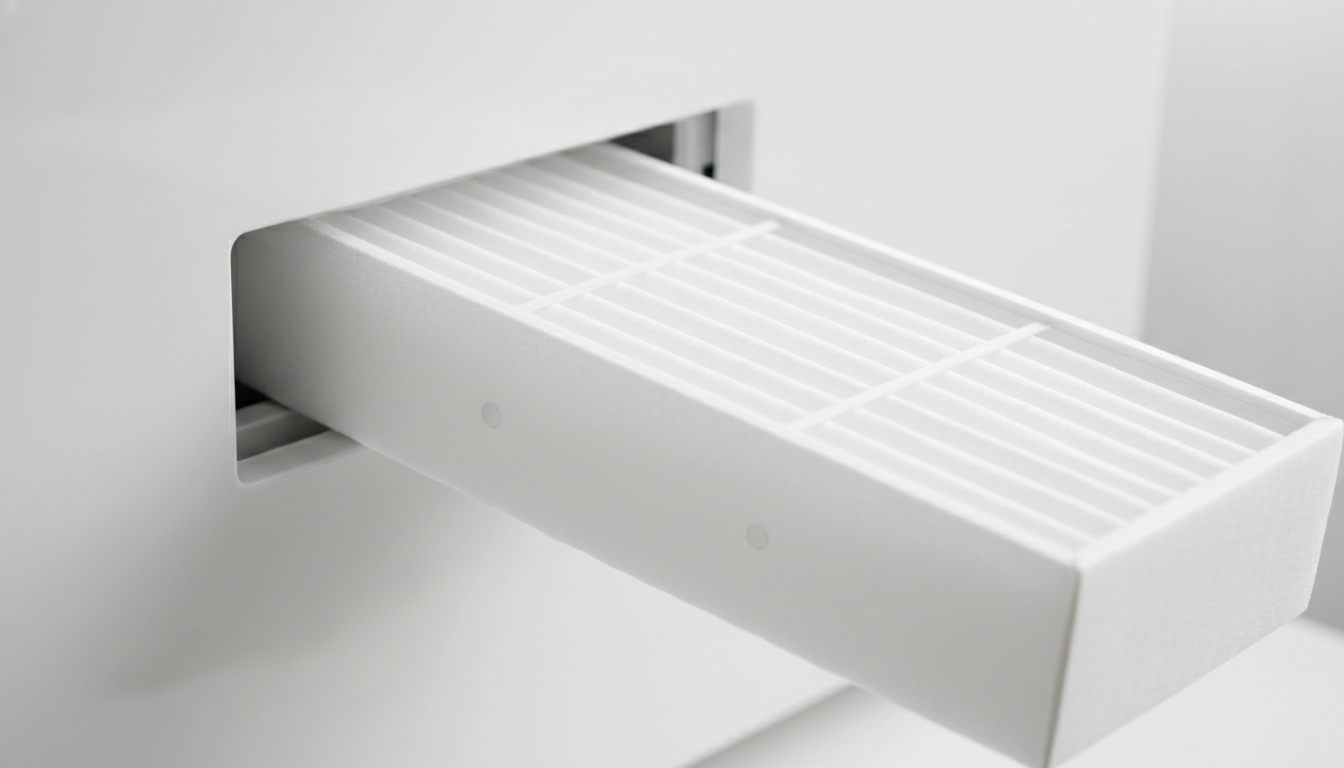
A real tune-up does more than swap a filter. We look for airflow restrictions, drain problems, worn electrical parts, ignition issues, and safety concerns before peak season leans on the system.
You'll come away with a short, honest list: what's clean, what's wearing, what needs repair, and what can wait.
Filters, coils, blower operation, vents, and returns can show strain before your comfort drops.
Condensate lines, pans, pumps, and float switches matter before cooling season gets heavy.
Capacitors, contactors, ignition parts, connections, and shutoffs often fail before the whole system does.
You'll know what needs attention now and what we can just keep an eye on.
Filters, coils, drains, blowers, burners, and controls often need attention before a breakdown shows up.
A weak capacitor, failing ignitor, clogged drain, or control issue can need fixing before you can trust the system.
When the same findings keep coming back, we'll flag duct issues or aging equipment early - so you're not deciding during an emergency.
Look for the thing that changed: temperature, airflow, water, ice, odor, noise, breaker trips, or an alarm. That keeps the conversation grounded when you call.
Regular maintenance heads off repeat HVAC maintenance plans problems - we clean, test, and adjust the filters, coils, drains, motors, controls, airflow, ignition parts, and safety shutoffs before they fail on you.
Tell us what changed with HVAC maintenance plans: when it started, which rooms are affected, whether the system still runs, and any water, ice, odor, noise, alarm, or breaker issue.
It comes down to the failed part, how hard it is to reach, the equipment's age, any safety issues, and whether maintenance or replacement changes the picture. We'll walk you through the number before any work starts.
Regular maintenance heads off repeat HVAC maintenance plans problems - we clean, test, and adjust the filters, coils, drains, motors, controls, airflow, ignition parts, and safety shutoffs before they fail on you.
Tell us what changed in the home and get help with heating, cooling, maintenance, installation, or indoor air service in Frederick County.