What Does an HVAC Maintenance Plan Include?
An HVAC maintenance plan usually includes scheduled service, a defined inspection checklist, equipment-specific cleaning and testing, and a written record of what we found. The agreement should name the systems covered, the visit schedule, the included tasks, and the repair terms.
A maintenance plan isn't the same as a repair contract. Routine service checks a system that's generally running fine. It doesn't automatically include every failed part, refrigerant charge, drain blockage, diagnostic visit, or after-hours call.
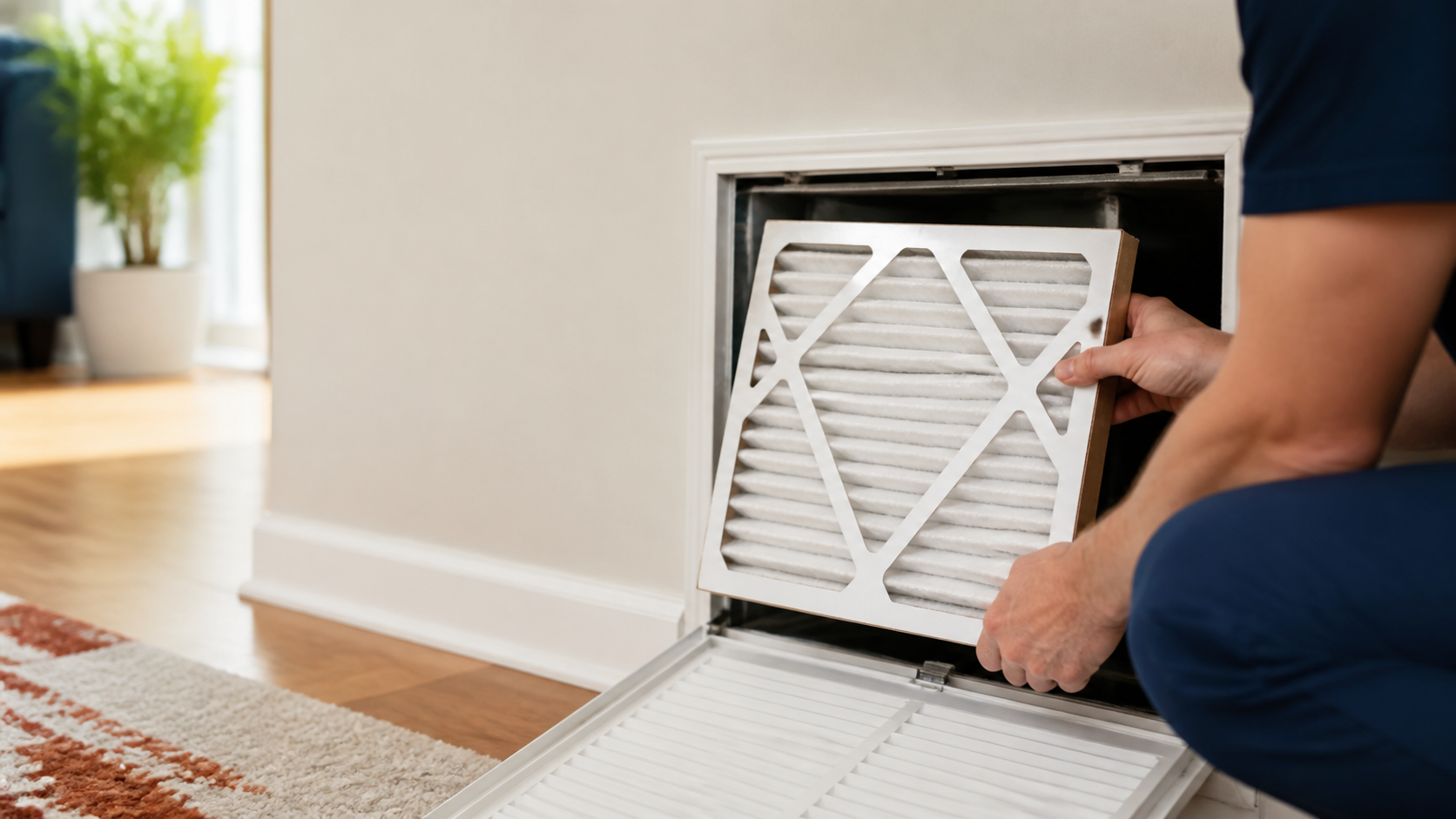
Questions to ask before choosing a maintenance plan
| Plan detail | What to confirm | Why it matters |
|---|---|---|
| Visits | How many visits are included and when they occur | A spring and fall schedule is different from one annual appointment |
| Equipment | Whether the plan covers the AC, furnace, heat pump, air handler, or ductless system by name | One covered system may leave another without routine service |
| Checklist | Which cleaning, measurements, controls, drainage, and safety checks are performed | A quick filter check is not the same as a defined inspection |
| Repairs | What happens when we find a failed part or need more diagnosis | Maintenance and repair should stay separate until you approve the work |
| Records and terms | What findings you receive, how renewal works, and how cancellation is handled | Clear records and terms make the plan easier to evaluate |
What a typical maintenance visit includes
A credible visit goes beyond a quick look. Depending on the equipment, that means the thermostat and the wiring, the motor's electrical readings, the drain line, and how the system starts and shuts down. The filter gets looked at every time.
Those checks connect a component to a problem you may notice at home. A restricted drain can put water around indoor equipment. A loose electrical connection can create unsafe operation, and a control problem can leave the system running too long, cycling oddly, or ignoring the thermostat.
Ask us for a service summary that says what was checked, cleaned, adjusted, or observed, and whether a 1-inch or 4-inch filter was swapped, and whether we recommend a separate repair or diagnostic visit.
- Match the checklist to the equipment in your home.
- Ask us for findings in writing when the visit uncovers a repair.
- Keep the maintenance record with your other HVAC documents.
How the checklist changes by equipment
AC maintenance may include the indoor and outdoor coils, refrigerant condition, blower components, drainage, electrical parts, and airflow. Confirm that the plan covers the indoor coil and air handler, not just the outdoor condenser.
Furnace maintenance depends on the type of furnace you have. Fuel-burning equipment calls for professional checks of fuel connections, pressure, burner combustion, the heat exchanger, and venting. You can replace a filter yourself when the equipment instructions allow it, but combustion, fuel, electrical, and heat-exchanger testing need a trained tech.
A heat pump needs checks in both heating and cooling operation. The plan should cover the airflow, coils, and drain like any other system, plus the heat-pump-specific parts: the reversing valve that swaps between heating and cooling, the defrost cycle, and the backup heat. Ask us whether both modes are part of the visit.
- Name every covered system in the agreement.
- Ask us whether the visit covers indoor and outdoor components.
- Leave fuel, electrical, refrigerant, and combustion work to a trained professional.
How often should service be scheduled?
Annual pre-season service is a common starting point, with cooling equipment checked in spring and heating equipment checked in fall. That timing puts routine service ahead of the season when the system carries its heaviest load.
Not every plan includes 2 visits. A home with a heat pump, multiple systems, a furnace and AC combination, or ductless equipment may need a different schedule from a home with one standard system.
Between visits, check the filter regularly and follow the filter and equipment instructions. Keep outdoor equipment clear of leaves, grass, stored items, and snow, and don't open electrical compartments or attempt refrigerant work yourself.
- Compare the visit schedule with the systems in your home.
- Ask us who supplies filters and whether filters are part of the plan.
- Move the timing forward when comfort changes or a new symptom appears.
What routine maintenance usually does not cover
Maintenance can find a problem, but finding one isn't the same as fixing it. Diagnostic testing for an active symptom, failed electrical or mechanical parts, refrigerant leak repair, refrigerant charging, extensive drain clearing, duct work, and return visits may all be separate.
Duct cleaning is its own question. It shouldn't get added to a maintenance plan just because the calendar turned over. Ask what visible contamination, moisture, debris, or other condition actually supports the recommendation.
If a carbon-monoxide alarm sounds or anyone has symptoms, leave the home and seek medical help from a safe location. Don't wait for a routine plan visit to address a suspected gas or carbon-monoxide emergency.
- Ask us how the plan handles diagnosis, parts, labor, and refrigerant.
- Get a separate written quote before approving repair work.
- Treat gas odor, smoke, fire, sparking, or a carbon-monoxide alarm as an emergency.
What to compare before choosing a plan
Ask us for the service agreement and checklist before you enroll. The useful comparison is the work promised for your equipment, not the name of the membership. Confirm how many visits are included, what each visit checks, and what documentation you get back.
Also ask how the plan treats the boundaries: filters and refrigerant, after-hours visits, cancellation, and automatic renewal. If an important benefit or exclusion isn't clear in writing, ask us for clarification before you hand over payment information.
- Which systems and components are covered by name?
- What happens if we recommend a repair?
- Does the plan renew automatically, and how are charges disclosed?
- Will you get written findings after every visit?
Is an HVAC maintenance plan right for your home?
A plan may fit a homeowner who wants seasonal reminders, consistent service records, or one place to manage several pieces of equipment. It's less useful if it duplicates service you already get elsewhere, covers only one of several systems, or leaves the checklist and repair terms vague.
If the system's operating normally, compare the written scope and schedule. If comfort has changed, the system is short cycling, airflow is weak, water is appearing, the thermostat is blank, or the unit won't start, ask us for diagnosis instead of waiting for routine service.
Bring the equipment model numbers, filter size, recent service records, and a clear description of anything that changed. A healthy system needs a written maintenance scope. An active problem needs diagnosis, and a safety concern needs immediate attention.
- Use maintenance for planned care on a normally operating system.
- Ask for diagnosis when the system has a symptom or comfort has changed.
- Call us for emergency help when the home may be unsafe.
Questions that come up next
Does an HVAC maintenance plan include repairs?
Usually not. Routine inspection and tune-up work stays separate from a failed part or a larger repair, and the exact boundary belongs in the current written terms. Ask us about repair, parts, labor, and diagnostic conditions separately.
How many visits should an HVAC maintenance plan include?
There's no universal number. Compare the stated visits with the equipment in your home and the season each visit covers. The plan should say whether visits cover one system or several.
Does a heat pump need a different maintenance plan?
It may. A heat pump works in both heating and cooling modes, so ask us whether the plan checks both modes, including airflow, coils, drainage, controls, defrost, backup heat, and the reversing valve when those checks apply.
Should I wait for maintenance if my HVAC system is not working normally?
No. Weak airflow, short cycling, water, ice, a blank thermostat, or a unit that won't start calls for diagnosis, not a routine visit. Gas odor, smoke, fire, sparking, or a carbon-monoxide alarm means leaving the home and getting emergency help right away.
Need HVAC help in Frederick?
Tell us what the system is doing and what you've checked already. If it needs a visit, we'll say so.