The furnace is operating normally
A fall visit gives you time to check the system before the first extended cold stretch and decide what to do about a worn or questionable part.
Heating maintenance in Frederick, MD
Furnace maintenance in Frederick, MD should answer one simple question: is the system ready to heat the house when you need it? Our visit checks airflow, startup, safe operation, and how warm air actually reaches the rooms in your home.
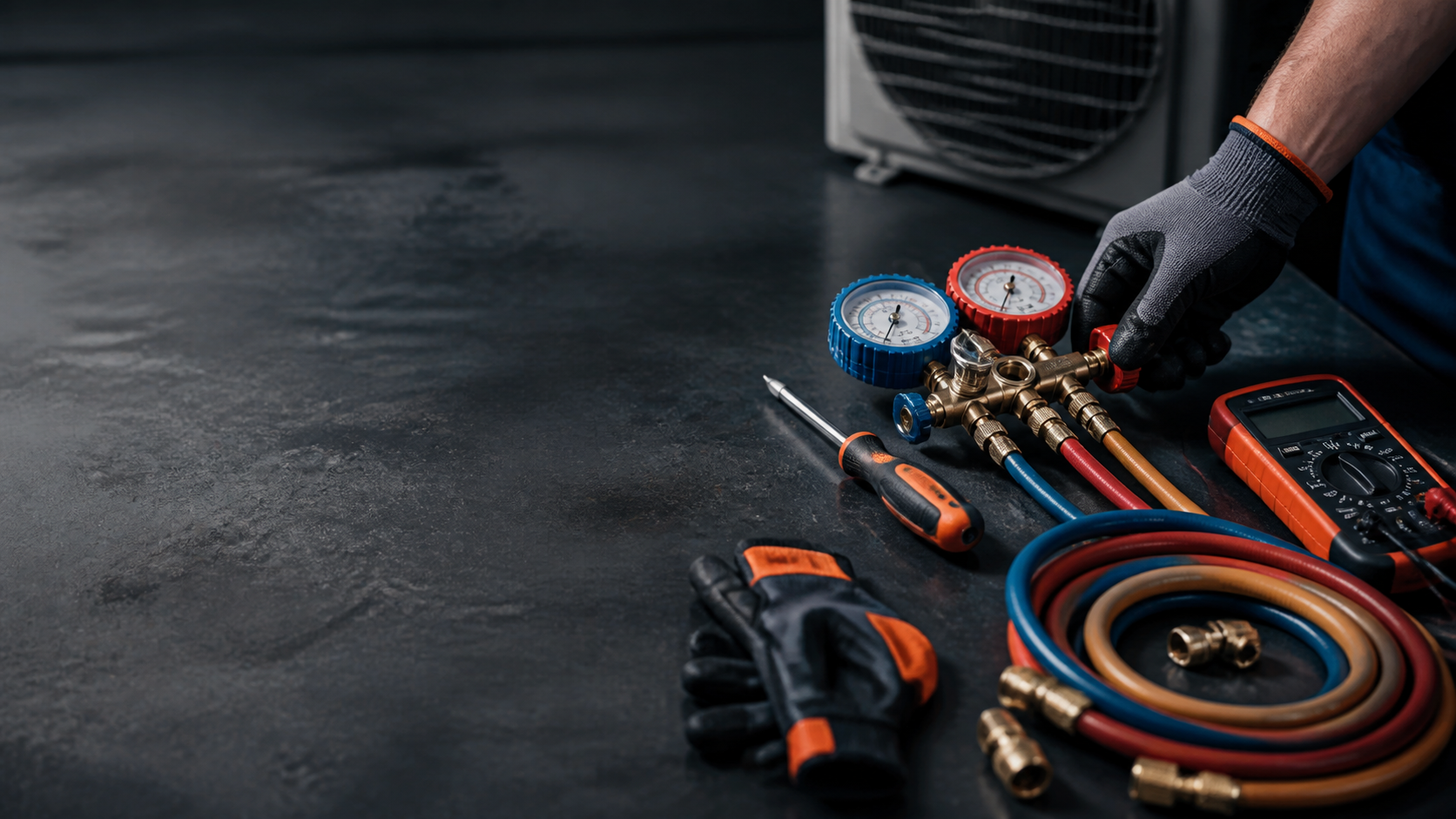
Maintenance gives you a chance to address wear and operating concerns before the heating season gets underway. It can't prevent every failure, but it buys you time to decide what to do about a questionable part while the furnace still runs normally.
Choose the right appointment
The calendar matters less than what the furnace is doing right now. Let the symptom set the next step.
A fall visit gives you time to check the system before the first extended cold stretch and decide what to do about a worn or questionable part.
No heat, short cycling, weak airflow, a new sound, water, or a blank thermostat belongs in a diagnosis conversation, not a routine tune-up.
A carbon monoxide alarm, gas odor, smoke, or a strong burning electrical smell changes the first move. Leave the home and call us from a safe location.
When to schedule
Book the visit before the first extended stretch of cold weather, not after the furnace has been running hard for weeks. That timing gives us a better chance to check the system while it's still operating normally.
Move the appointment up if the furnace is short cycling, struggling to reach temperature, or showing a warning sign. Waiting for the calendar can turn a maintenance question into a no-heat call.
Between service visits
Stay on the homeowner side of the equipment. Don't remove panels or work around gas, combustion, refrigerant, or electrical components.
Pull the filter and check it against the size and replacement guidance for your equipment. A dirty filter restricts airflow and makes the system work harder.
Confirm the mode, the temperature setting, and what the display shows. If the screen goes blank, write that down instead of resetting the system over and over.
Keep supply registers and return grilles clear of furniture, rugs, storage, and closed doors. Comfort in the room can change fast when airflow is blocked.
Leave safe access around the equipment. Don't store fuel, paint, boxes, or other combustible materials against the furnace.
What professional maintenance covers
Ask us what we checked, what needs attention now, and what to watch over the season. Exact scope depends on the furnace and the manufacturer's instructions.
Our visit covers the thermostat, controls, electrical connections, operating measurements, and the starting cycle.
We check the filter, blower, and airflow together, because a furnace can run fine while a room stays uncomfortable.
On fuel-burning equipment, our tech inspects gas or oil connections, burner combustion, the heat exchanger, and venting.
We check the drain and pan, corrosion, leaks, blockage, and other visible signs of unsafe operation.
ENERGY STAR's checklist includes thermostat controls, electrical connections, drainage, and the starting cycle. A manufacturer's checklist may also cover venting, burners, the heat exchanger, and the blower.
Filters, airflow, and humidity
Use the filter size and replacement guidance that fit your system, whether that's a thin 1-inch filter or a deeper 4-inch cabinet filter. A higher-rated filter isn't automatically better if the furnace fan and filter slot can't handle it. A cold bedroom or a long run time may point to a return-air problem, a duct gap, insulation, equipment operation, or more than one issue at once.
Safety comes first
Leave the home if a carbon monoxide alarm sounds or you smell gas. Call 911 or the gas utility from a safe location. Don't restart the furnace, reset a breaker over and over, or open the equipment cabinet while the home may be unsafe.
Also stop and call: smoke, visible scorching, a strong burning electrical smell, or a breaker that keeps tripping.
Read the emergency HVAC safety stepsCommon questions
You don't need to name a capacitor, control board, pressure switch, or heat exchanger before we've tested it.
Fall is the practical time to schedule heating maintenance in Frederick County, before the furnace has been running hard for weeks. Call sooner if it's short cycling, struggling to reach temperature, or showing a warning sign.
Maintenance fits equipment that's operating normally and needs a seasonal check. A repair or diagnostic visit fits a system with a new or persistent symptom, like no heat, weak airflow, unusual noise, water, or short cycling.
Tell us the equipment type, fuel type, age or model if you know it, the rooms affected, when the symptom started, and what the thermostat shows. A photo of water, an error code, or visible damage helps too, without opening the equipment.
You can check the filter, thermostat, registers, returns, and clear access around the equipment without opening the furnace. Don't inspect burners, wiring, the heat exchanger, gas pressure, a flame sensor, or a safety switch yourself.
Tell us whether your furnace is operating normally or what changed. We will match the next step to the condition in front of you.