What Are the Signs of Poor Home Ventilation?
Poor ventilation can feel like air that never quite clears. Stale or musty smells, stuffy rooms, window condensation, visible mildew, and humidity that stays high after cooking or showering are all reasons to look closer.
One symptom doesn't prove that ventilation's the cause. A leak, damp basement, blocked exhaust duct, dirty filter, ductwork problem, or indoor pollutant can create a similar complaint. Note what changed and where it happens before you choose equipment or a repair. We can help you sort out which one it is.
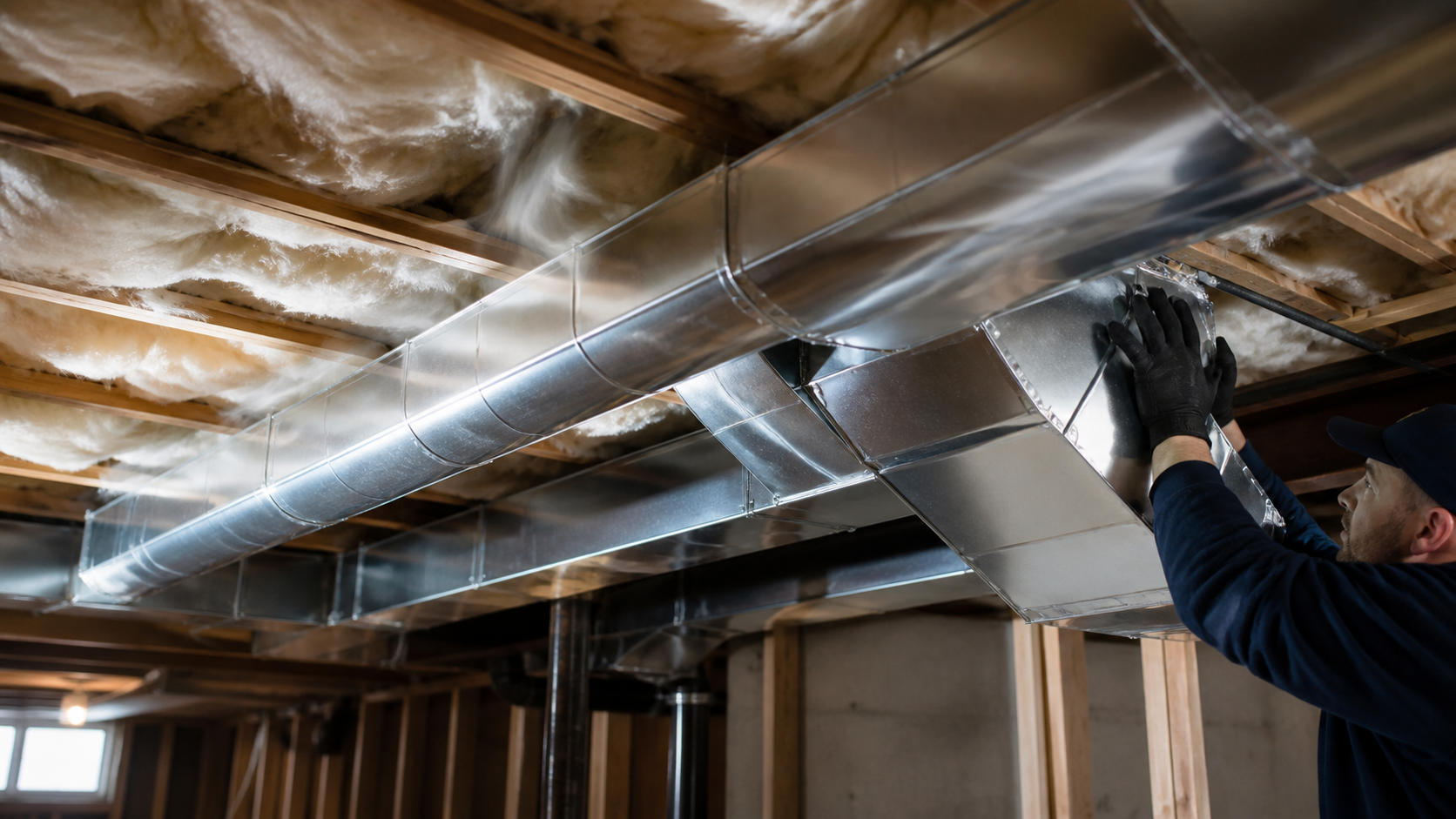
What the pattern may be telling you
| What you notice | What it may point to | Safe first question |
|---|---|---|
| Window fog or water beads | Humid indoor air meeting cold glass | Is the moisture localized or throughout the home? |
| Cooking or pet odors last for hours | The source air is not being exhausted | Does the fan move air and discharge outdoors? |
| A room feels heavy or stale | Too little fresh-air exchange or weak circulation | Does the feeling change when the room is opened up? |
| Humidity stays high after a shower | Weak bathroom exhaust or a larger moisture source | Is the fan running and actually moving air? |
| Musty air with staining or damp materials | Moisture, a leak, or a building issue | Where is the water coming from? |
Stale, stuffy, or musty air keeps coming back
A closed-up room that still smells stale after the door's been opened, or cooking odors that remain long after the meal, may not be exchanging air effectively. Start with the source: food, trash, litter, wet towels, stored chemicals, a floor drain, or a damp basement can create an odor that ventilation alone won't fix.
A musty odor needs a closer look when it comes with damp materials, staining, or visible growth. Mold needs moisture, so correcting the water source matters as much as addressing the affected material. If the odor remains after the obvious source is gone, we'll check the exhaust path and the room's return airflow.
- Step outside briefly and notice whether the smell is still present when you reenter.
- Record the room, time, activity, weather, and whether the odor follows HVAC operation.
- Treat recurring musty air with dampness as a moisture question, not just a cleaning problem.
Condensation, humidity, or mildew will not settle
Condensation forms when humid indoor air reaches a surface cold enough for water vapor to turn into liquid. It can point to high humidity, a leak, insulation or air-leakage trouble, or a room-specific moisture source. The EPA recommends indoor relative humidity below 60 percent, ideally between 30 and 50 percent, so use a humidity gauge instead of guessing.
Check the affected room after a shower, while cooking, and after the HVAC system's run. Look under sinks, around windows, near indoor HVAC equipment, in the basement, and around visible plumbing. Dry wet materials promptly. Recurring mold, damp insulation, growing stains, or water near equipment call for an evaluation instead of paint or a stronger filter. We can help you tell the difference.
- Run the bathroom fan during and after a shower and the kitchen exhaust while cooking.
- Confirm accessible exhaust terminations appear to discharge outdoors, not into an attic or enclosed space.
- Opening windows helps only when outdoor air quality, pollen, temperature, and humidity make it a sensible choice.
Bathroom and kitchen moisture does not clear
Spot ventilation should remove moisture and pollutants where they're created. A bathroom fan should pull humid air out during and after a shower, a range hood should capture cooking moisture, and a clothes dryer should discharge outdoors. A fan that runs but doesn't clear moisture may have a duct problem, a poor termination, or a home that needs a broader ventilation plan.
Don't climb onto a roof, open a wall, or alter wiring to investigate an exhaust route. A running fan that terminates in an attic or enclosed space moves moisture rather than removing it. Recurring bathroom mildew, peeling paint, or damp insulation near the route calls for a fan and ductwork evaluation, and that's a check we can run for you.
- Check that the fan turns on, sounds normal, and appears to move air toward an exterior termination visible from the ground.
- Keep the air path in view: source control, exhaust, and replacement air have to work together.
- Do not assume a louder fan is a better fan if the duct path is blocked or disconnected.
Airflow problems can look like ventilation problems
Poor ventilation and poor HVAC airflow overlap, but they aren't the same diagnosis. Weak supply air, a room that never reaches the thermostat setting, a dirty filter, or a dusty return grille may point to equipment or ductwork. Your furnace or air conditioner can heat, cool, filter, and circulate indoor air without bringing in a controlled amount of outdoor air.
Start with the accessible filter. Confirm its direction, look for heavy dust, and keep supply and return grilles open. Dust on a return register doesn't by itself prove contaminated ducts or show that duct cleaning will solve stale air. Persistent room-to-room temperature differences, weak airflow, dirty equipment, or moisture near the indoor unit call for a diagnosis, and we'll look at filters, drainage, ductwork, and equipment together.
- An air purifier filters some particles from air that passes through it; it is not a ventilation system.
- A filter change cannot repair a leak, blocked exhaust duct, wet crawl space, or combustion problem.
- Several recurring signs together are more useful than one isolated complaint.
A carbon monoxide alarm changes the next step
A ventilation complaint becomes an emergency when it involves a fuel-burning appliance, combustion odor, unusual symptoms, or a carbon monoxide alarm. If a CO alarm sounds, leave the home immediately, move to fresh air, and call 911 or your local emergency service. Don't stay inside to find the source, reset the appliance, or troubleshoot the ventilation.
Don't reenter until emergency responders say it's safe. A fuel-burning appliance suspected of creating carbon monoxide should stay off until trained personnel service it. This is separate from a routine HVAC request; if anyone has symptoms that could indicate CO exposure, seek emergency medical help.
- Leave first for a carbon monoxide alarm, gas odor, smoke, fire, or serious symptoms.
- Call from a safe location and do not open equipment panels or reset a safety device.
- Routine ventilation checks begin only after the property has been cleared as safe.
What you can check safely before calling
For a non-urgent concern, make a short record instead of guessing at a failed part. Note the symptom, room, time, humidity reading, and activity that came before it. Check the accessible filter, keep supply and return grilles clear, look for leaks or wet materials, and observe whether accessible exhaust appears to discharge outdoors.
Call us when signs keep returning, a fan runs without clearing moisture, or one part of the house stays stale, damp, or uncomfortable. Bring notes about humidity, odors, condensation, filter changes, and when the HVAC system runs. That gives us a better starting point than a guessed equipment name, and we'll take it from there.
- Measure humidity in more than one room and compare readings after bathing or cooking.
- Do not open the blower compartment, handle electrical components, climb onto the roof, or alter wiring.
- Ask whether the cause is moisture control, airflow, a blocked exhaust path, or a need for dedicated ventilation.
Questions that come up next
What is the clearest sign of poor house ventilation?
A recurring pattern of stale odors, stuffy rooms, condensation, or high humidity after normal exhaust is more useful than one isolated symptom. Several signs together justify checking moisture sources, exhaust paths, and airflow.
Will opening a window fix poor ventilation?
Opening a window can clear a room temporarily when outdoor air quality and weather permit. It will not fix a leak, wet basement, blocked exhaust duct, or combustion problem, and the symptom can return when the window closes.
Is an air purifier the same as ventilation?
No. An air purifier can filter some particles from air that passes through it. Ventilation exchanges indoor and outdoor air, while source control addresses the pollutant itself; the strategies can complement one another.
Does a dusty vent mean I need duct cleaning?
Not by itself. A dusty return grille does not prove heavy contamination inside the duct system or show that cleaning will solve stale air. Visible mold inside hard-surface ducts, pests, or debris entering living areas calls for evaluation.
Should I buy a dehumidifier or install a ventilation system?
That depends on the cause. A dehumidifier may help excess humidity, but it does not repair a leak or remove a combustion hazard. A whole-house system may make sense when spot exhaust and natural air movement are not enough, so measure first and match the solution to the source.
Need HVAC help in Frederick?
Tell us what the system is doing and what you've checked already. If it needs a visit, we'll say so.