Start with power
Batteries may be depleted, but a blank display can also point to the thermostat power supply, wiring, or system controls.
Thermostat repair starts with the whole system, not just the wall panel. A blank screen, wrong temperature, or a thermostat that calls without changing the room can come from the control, wiring, power, or the equipment it's tied to.
The thermostat measures the temperature inside the home and signals the heating or cooling equipment. A symptom can start at either end.
Batteries may be depleted, but a blank display can also point to the thermostat power supply, wiring, or system controls.
A temperature mismatch may involve the control, its location, airflow, insulation, wiring, or the HVAC system.
The thermostat may call for heat or cooling while the furnace, air conditioner, or heat pump cannot respond.
The thermostat's role sits at the center of the local heating and air-conditioning repair work described by The Home Depot's New Market service page. A service visit still needs to match the symptom to what your equipment is doing.
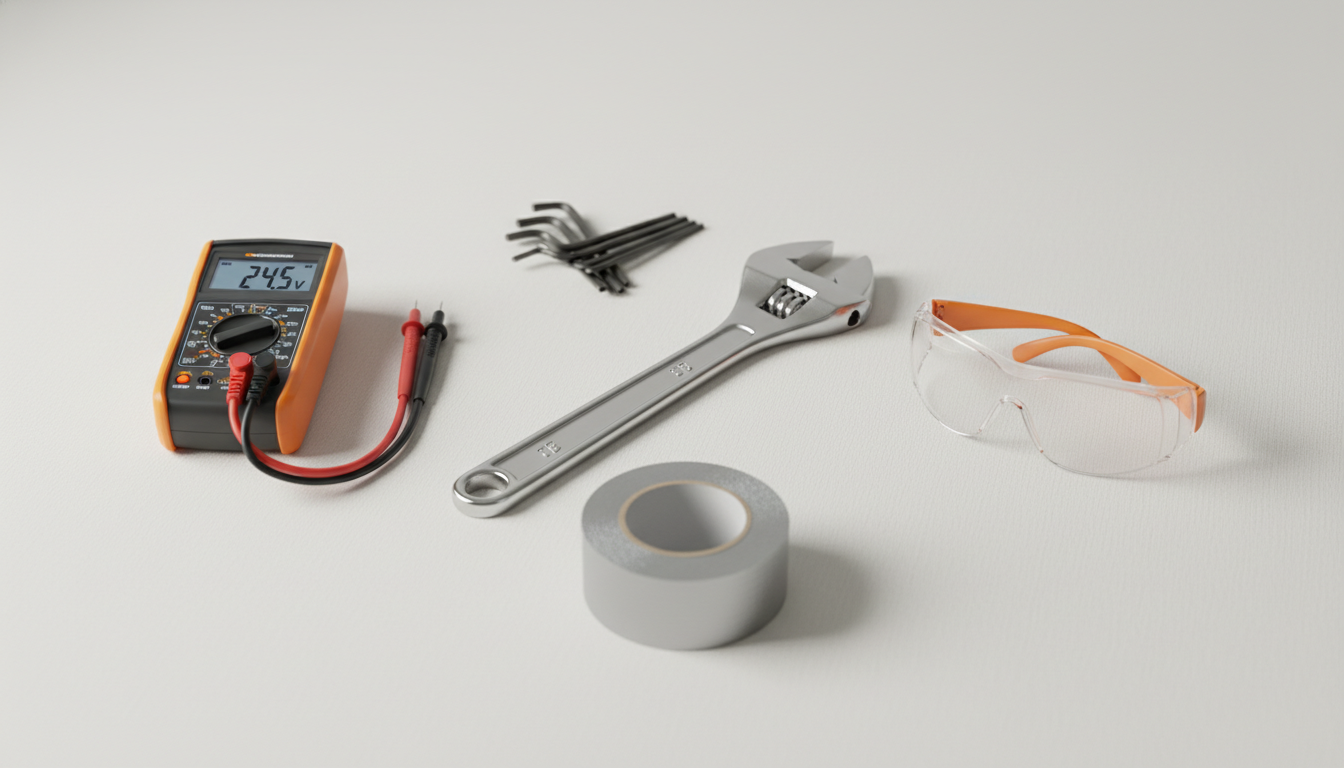
Thermostat repair covers the control point between indoor temperature and the heating or cooling system. Depending on the symptom, we might check the display, power, settings, connections, control signal, and the equipment's response. Most 24-volt low-voltage thermostats run on that same signal, so a wiring fault at either end can look identical from the wall.
Some calls are thermostat problems. Others only look that way, even to us at first. A failed control, damaged wire, electrical issue, restricted airflow, safety shutdown, or equipment fault needs a different response entirely.
These checks don't require opening the HVAC equipment or changing wiring. Write down what you see so the service visit starts with useful information.
Confirm the mode, fan setting, and selected temperature. In heat mode that setpoint should sit at least 2 degrees above the room reading, or the call may never trigger.
If the thermostat uses batteries, install the correct type and see whether the display returns.
After a setting change, note whether the equipment starts, makes a sound, or stays quiet. Avoid repeated changes.
Do not bypass a safety control, connect wires, open the furnace, or keep resetting a breaker that trips again.
The useful question isn't just whether the thermostat asks. It's whether the furnace, air conditioner, or heat pump receives and answers that request.
Compatibility matters. The thermostat must work with the home's heating and cooling equipment and control wiring.
The fault is limited, the thermostat is compatible, and a connection, setting, power issue, or battery can return the control to reliable operation.
The control has failed, is damaged, cannot communicate reliably, or does not support the existing system. The wiring and equipment still need to be checked first.
An older system, repeated equipment faults, or a separate safety or performance problem may make thermostat work only one part of the comfort decision.
New Market homes can have different thermostats, wiring, equipment, ductwork, insulation, and comfort patterns. A heat pump, central air system, furnace, or dual-fuel setup may respond differently to the same request from the wall.
Tell us what the display shows, what the equipment does, and which rooms are uncomfortable. That detail helps us separate a wall-control issue from a broader HVAC repair.
It can, but it does not prove it. Check the display power and replace batteries if the thermostat uses them. If the screen stays blank, the issue may involve the thermostat, its power supply, or system controls. Do not open equipment or handle wiring.
The thermostat may be sending the signal while the furnace can't respond. Most systems run that call on a 24-volt circuit, so power, a safety control, wiring, or a furnace component may be involved. Note what the thermostat displays and what the furnace does, then request a diagnosis.
Battery replacement and checking the mode are reasonable homeowner checks. Wiring changes are different. We'll test the thermostat and HVAC system together before anyone changes the connections.
Request service when the display stays blank, settings won't hold, the HVAC system ignores a call, or comfort changes continue after basic checks. Seek urgent help for smoke, sparking, a burning smell, or damaged wiring.
Call with the display symptom, system type, and what happens after you change the setting. A clear diagnosis shows whether the next step is thermostat repair, HVAC repair, maintenance, or replacement.