Gas odor or a carbon monoxide alarm
Leave right away and call the gas utility or 911 from outside. Don't stay inside to find the source or reset the furnace.
When your furnace, air conditioner, or heat pump stops working, the first question isn't always which part failed. It's whether the home is safe right now.
Gas odor, smoke, sparks, or a carbon monoxide alarm means leave right away and call 911 before you try to troubleshoot anything. If there's no immediate danger, the problem can follow the normal diagnosis and repair path.
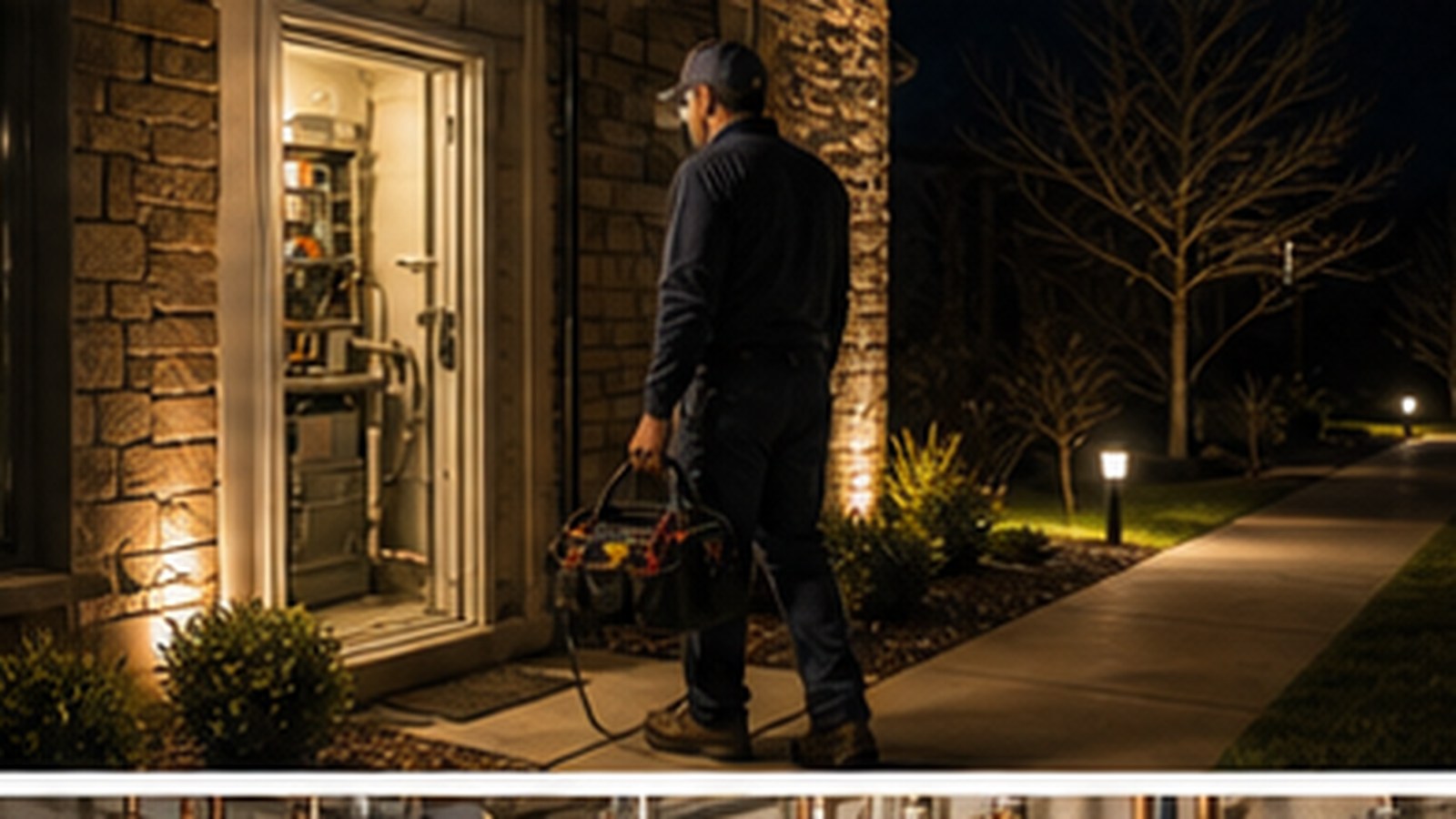
For gas odor, smoke, sparking, or a carbon monoxide alarm, leave the home or affected area and call the gas utility or 911 from outside. HVAC service comes after responders or the utility say it's safe.
A sudden loss of heat or cooling still needs quick attention. The symptom, the weather, and who's in the home decide the next safe move.
Leave right away and call the gas utility or 911 from outside. Don't stay inside to find the source or reset the furnace.
Get away from the equipment and call emergency services. Don't operate switches, use flames, or go poking around the electrical panel.
A comfort failure is urgent, especially for children, older adults, or anyone with health concerns, but it's not automatically a life-safety emergency.
Keep people away from the hazard, turn the equipment off only if it's safe to, and call for a diagnosis. Don't keep forcing the system to run.
Keep your checks to what you can observe safely. Don't open a gas compartment, handle refrigerant, work on wiring, bypass a control, or keep resetting a breaker.
Note the mode, the temperature setting, and whether the display's blank. Check it once, then stop if the system still won't respond.
From a safe distance, note whether the indoor blower runs and whether the outdoor unit starts, stays off, or keeps stopping.
Record where water showed up or where ice formed, even a rough guess like 2 inches deep. Keep people away from slippery spots and don't chip ice off the equipment.
1 tripped breaker can be useful information on its own. Don't keep resetting it, and leave it off if it trips a 2nd time.
Record whether it's no heat, no cooling, weak airflow, an unusual noise, water, ice, or a system that won't start.
The reported symptom guides the inspection, but it doesn't prove which component failed. You approve the repair plan after the condition's explained to you.
A furnace that won't heat, an AC that runs warm, and a heat pump that stops switching modes each need a different check.
We test the equipment until its condition explains the symptom. You never have to name a capacitor, a board, or a valve.
We describe the repair in plain language, with the price or plan in writing, before any work starts. An older system or a major failure can be discussed separately from the immediate fix.
After you approve and we repair, we run the system for 10 to 15 minutes against the original complaint. The visit ends with a real answer.
Write down whether it's no heat, no cooling, weak airflow, an unusual noise, water, ice, or a system that won't start. Add the thermostat setting, when it began, and whether the blower, outdoor unit, or breaker acted differently. The newer Linganore-area houses and the old village places get the same questions from us - what changed matters more than when the house went up.
Settle the safety question first, then hand us whatever you've already observed.
Check the mode and temperature setting once, then stop if the system still doesn't respond. Note whether the display's blank, whether the blower runs, and whether a breaker has tripped. Don't keep resetting a breaker or bypass a control.
Leave right away. Don't operate switches, use flames, or go investigate the furnace. Call the gas utility or 911 from outside and wait for the area to clear before you request an HVAC diagnosis.
Turn the system off if you can do it safely, stay clear of the ice, and call us for a diagnosis. Don't chip at the ice or open equipment panels. Tell us when you first noticed it and whether airflow had weakened before that.
Water can damage a home and may point to a drainage, coil, or equipment problem. Keep the area safe, turn the equipment off if it's safe to, and describe where the water showed up. If water reaches electrical parts or you see smoke or sparking, leave and call emergency services.
Give the equipment type if you know it, the main symptom, when it started, the thermostat setting, and what you saw from the blower, outdoor unit, breaker, water, or ice. You don't need to guess the failed part.
If there's immediate danger, leave first and call 911 from outside. Once the home's safe, tell us what changed and what the system's doing now.