Heat pump repair in Burkittsville, MD

Heat pump repair in Burkittsville, MD, without the guessing.

When a heat pump stops keeping your Burkittsville home comfortable, the question is usually simple: is this a setting you can fix, or does it need a repair? Up against South Mountain, winter nights give the defrost cycle a real workout, so it's worth knowing what the system's doing, how long it's been doing it, and what you can safely check yourself.

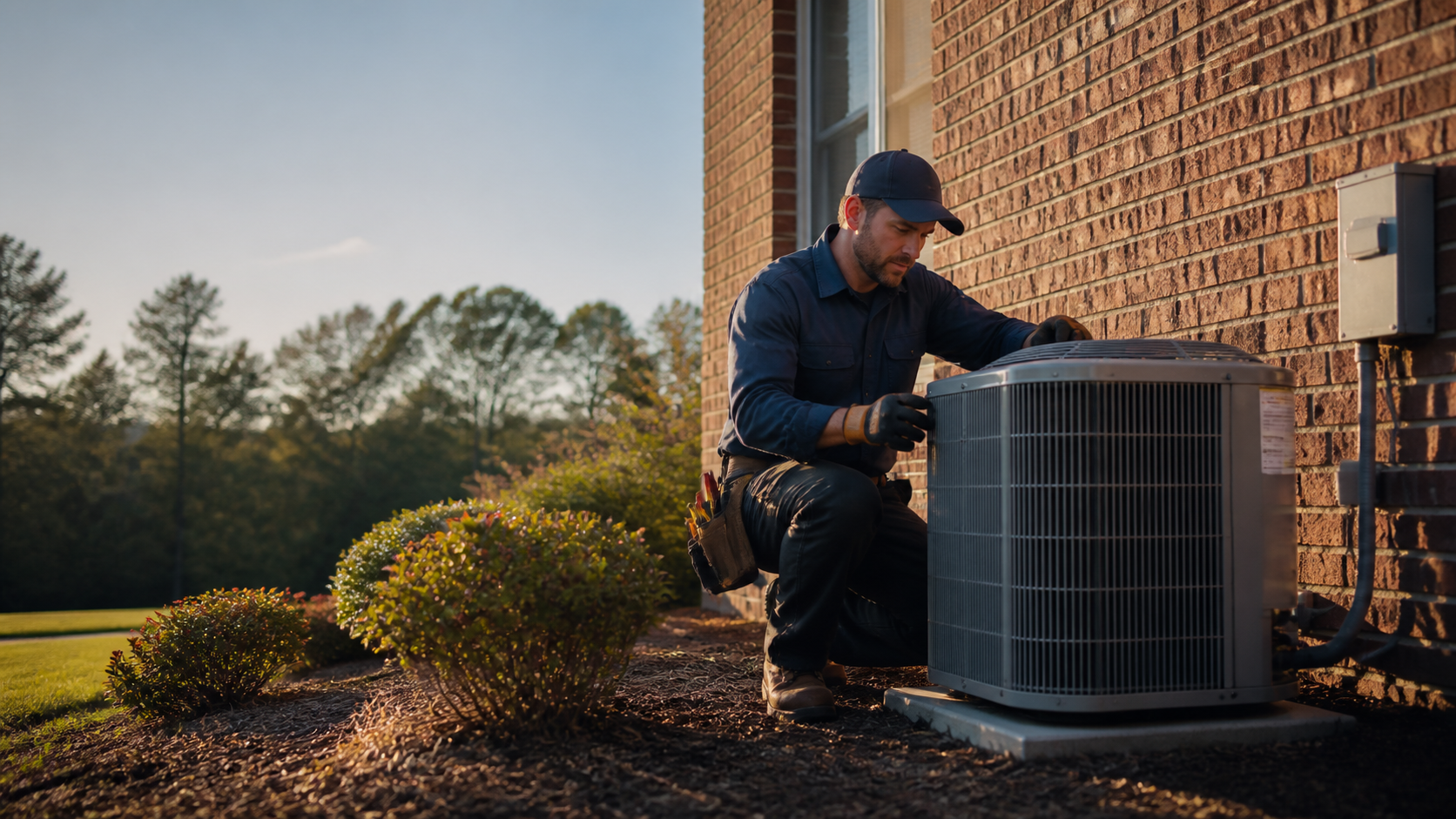
HVAC technician tools used to diagnose a heat pump
One system, two jobs

Heating and cooling problems often share a cause.

A heat pump moves heat between your home and the outdoor air, so the same equipment heats in winter and cools in summer. That means airflow, controls, the outdoor coil, or the refrigerant circuit can all show up as a heating complaint one month and a cooling complaint the next. The Department of Energy explains how heat pump systems transfer heat.

Start with what changed

Signs your heat pump may need repair

Some behavior is easy to misread. A short change in sound or airflow can just be a normal defrost cycle. A system that never recovers, shuts down over and over, or leaves the house uncomfortable is worth a real look.

No start

The thermostat's set to run, but nothing happens.

That could be the thermostat, a power problem, a control board, or the equipment itself. They all look the same from the living room. Note what the display shows and whether the indoor blower even turns on.

Long cycles

It runs and runs, but never catches up.

A run that stretches past 40 or 50 minutes without hitting the setpoint can point to airflow, the outdoor coil, controls, low refrigerant, sizing, or just a brutally cold night. We test before we name a part.

Weak airflow

Some registers feel weak, others feel fine.

Start with the filter, then the supply and return registers. A duct restriction, a tired blower, or an outdoor coil that can't move air can all feel like this from inside the house.

Cool air in heat mode

It blows cool air when it should be heating.

A few minutes of this during defrost is normal. If warm air doesn't come back within 10 to 15 minutes, or comfort keeps sliding, look at defrost controls, the reversing valve, or refrigerant charge.

Outdoor ice

Ice keeps building on the outdoor unit.

A thin frost layer in cold, damp weather isn't unusual. Ice that's an inch thick, blocks the coil, comes back fast, or never clears is a different problem, and it needs a look.

New sound

It buzzes, grinds, rattles, or squeals.

Write down when it started and whether it happens in heat, cool, or both. Even without a part name, that detail gives us a real place to start.

Control trouble

The thermostat goes blank or forgets its settings.

Note whether the screen comes back, whether it followed a power blip, and whether a breaker keeps tripping. Don't keep resetting a breaker that trips again.
Only when the home is safe

Five checks that give us real clues.

You can gather useful information without opening the equipment or touching the refrigerant circuit. Stop at smoke, a burning smell, visible electrical damage, a breaker that keeps tripping, or anything that feels unsafe.

  1. 01

    Confirm the mode and setpoint.

    Make sure the thermostat's set to heat or cool as intended, and that it's actually set to run - not just lit up.

  2. 02

    Look at the filter.

    If it's visibly dirty, swap it. Most filters need changing every 1 to 3 months, and a clogged one strains the whole system.

  3. 03

    Open the air path.

    Move furniture, rugs, or boxes away from supply and return registers.

  4. 04

    Observe the outdoor unit.

    Clear loose leaves from around it if it's safe to do so. Don't bend fins, pull panels, or reach near the fan.

  5. 05

    Record what changed.

    The thermostat setting, indoor and outdoor temperature, ice, water, sound, and time of day: all of it narrows the problem faster.

Leave the refrigerant and electrical work to us.

Don't chip ice, pour hot water over the unit, bypass a safety control, work on live components, or add refrigerant yourself. EPA Section 608 certification is required for any technician whose work could release covered refrigerants. See the EPA certification guidance.

What the visit should answer

The diagnosis should explain what your symptom means.

Ducted heat pumps, ductless mini-splits, and ground-source systems don't all fail the same way. A symptom points toward a diagnosis. It won't pinpoint the part on its own.

01

Start with the symptom.

We need to know when it began, whether it happens in heating or cooling, and what the system's doing right now.

02

Check the whole sequence.

For an air-source heat pump we look at airflow and the thermostat first. Then the coils, the outdoor fan, and the defrost controls - the reversing valve and refrigerant clues come after that, not just the loudest symptom.

03

Explain the finding.

You should walk away knowing what failed, what the repair changes, and what's still uncertain before you decide anything.

04

Test against the complaint.

We check the system against the exact problem you called about before we call the visit done.

It's fair to ask who'll perform the refrigerant work and what the testing actually found. Maryland's HVACR licensing information is available through the Department of Labor.

A common question

Is frost on the outdoor unit normal?

A light layer in cold, damp weather usually is. The outdoor coil runs colder than the air around it, moisture collects, and the heat pump runs a defrost cycle every so often to clear it. You might hear a sound change, feel a brief shift in the air from the registers, or see steam as the ice melts off.

Repair or replacement?

Make the call with evidence, not one bad afternoon.

A repair usually makes sense when the fault is limited and the rest of the system's in decent shape. Repeated failures, weak comfort even after repairs, or a major component problem can shift that toward replacement.

Repair may fit

The fault is limited and explainable.

The system's been delivering acceptable comfort, the rest of the equipment's in decent shape, and the proposed repair actually addresses the tested cause.

Compare options

The same problem keeps coming back.

A major component, repeated failures, or weak comfort after repairs can change the math. Ask what was tested, what the repair changes, and what's still uncertain.

We should be able to explain the failed part before jumping from a symptom straight to replacement.

For Burkittsville homes

The equipment and the home both matter.

Burkittsville homes vary in age, layout, ductwork, insulation, and heat pump design. The repair should fit your equipment and your house, not run off a generic checklist.

Have the equipment type, thermostat behavior, filter condition, and any ice or new noise ready to describe. That keeps the next step focused: fix a simple setting if that's all it is, arrange a diagnosis when the cause isn't clear, and talk repair or replacement once the system's actually understood.

Reduce repeat problems

A few small habits catch trouble earlier.

  • Check the filter every 1 to 3 months, or on the schedule your system calls for.
  • Keep supply and return registers open and clear.
  • Keep leaves, snow, and stored items away from the outdoor unit.
  • Report recurring ice, weak airflow, new noise, or longer run times instead of waiting for a shutdown.
  • Book a pre-season checkup when routine maintenance is due.
See ENERGY STAR HVAC maintenance guidance

Need a clear next step for your heat pump?

Tell us what changed, what you've already checked, and what the system's doing now. Call (301) 555-1234 once the home's safe to occupy.