Find what makes the system work harder
A useful visit checks filters, airflow, blower parts, coils, and controls, plus whatever's making rooms drift or the equipment run longer than it should.
Brunswick, Maryland HVAC care
A useful visit tells you plainly what got checked, what needs attention, and whether the system's ready for the weather that's coming - worth doing whether your place is one of the older ones near the tracks or a newer build.
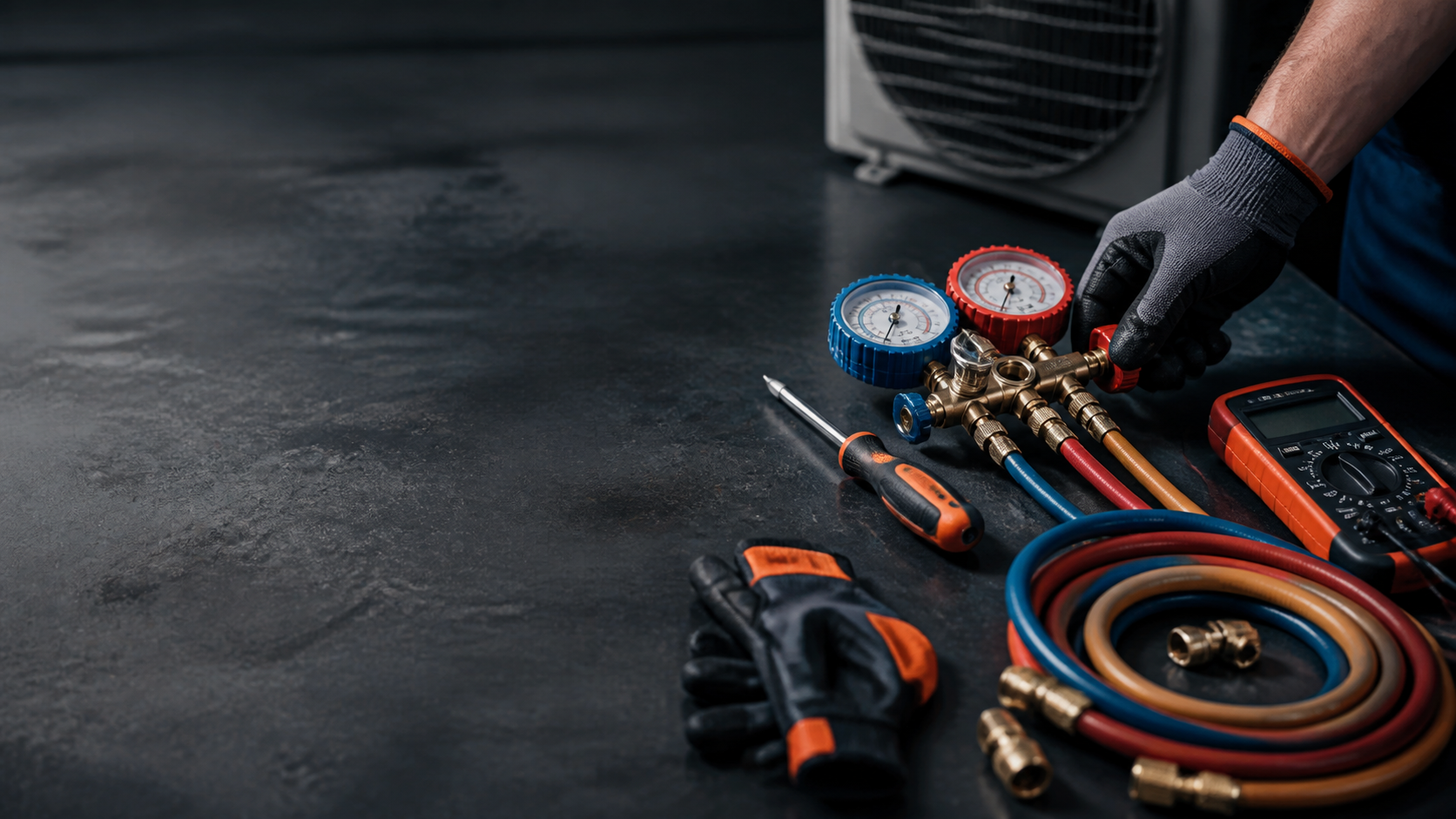
Your Brunswick home might run a furnace, a central air conditioner, a heat pump, or more than one of those. The right plan depends on the system, its age, its filter, and what you're actually seeing.
Professional maintenance should confirm the system starts, runs, and shuts off the way it's supposed to, then tell you plainly which findings need attention now, which can wait, and which don't matter at all.
A useful visit checks filters, airflow, blower parts, coils, and controls, plus whatever's making rooms drift or the equipment run longer than it should.
A slow drain, visible wear, water, or debris doesn't stay small if you ignore it. It turns into a bigger problem fast.
Furnaces, central air conditioners, heat pumps, and ductless systems each need a different conversation about operation, controls, electrical parts, and safety.
The ENERGY STAR maintenance checklist includes thermostat settings, controls, electrical connections, moving parts, the drain under the unit, and equipment-specific checks.
ENERGY STAR recommends a pre-season check-up every year. Still, the equipment manual, the filter's condition, and what the system's actually doing tell you more than a calendar rule borrowed from another house.
Check the air conditioner before the season pushes it hard. Confirm the filter, outdoor clearance, airflow, drainage, and a normal start-up.
Schedule a furnace or heat-pump check before the cold sets in for good. A new noise, a cycling change, or a comfort problem deserves diagnosis now, not later.
Check the filter about every 30 days during heavy-use stretches. Pets, renovation dust, a full house, or a filter that clogs fast can shorten that timing.
The Department of Energy home energy checklist also calls for professional maintenance every year for a furnace or heat pump. A heat pump running both seasons needs a different plan than a furnace that only fires up for heat.
Keep the air path open, watch the filter, and note what changes. Those small observations help us start with the right questions instead of guessing.
See ENERGY STAR heating and cooling guidanceA maintenance visit can turn up an issue. Still, a repair decision comes from what the equipment's actually doing and what the inspection finds, not a guess.
Plan a seasonal check when you want the equipment ready before it gets pushed hard by heating or cooling demand.
Review the maintenance scopeFor a carbon monoxide alarm or suspected exposure, leave the house and follow emergency guidance right away. Don't wait for a routine maintenance appointment.
See emergency HVAC guidanceBrunswick homes differ in age, construction, ductwork, insulation, equipment, and fuel source. Tell us what's in the house so the visit starts with the right questions, not the wrong ones.
Maintenance can cover fuel connections, burner combustion, the heat exchanger, venting, controls, electrical connections, and airflow.
Cooling checks can include coils, drainage, blower operation, airflow, and refrigerant-related testing.
A heat pump works year-round, so the visit should cover both heating and cooling operation, controls, the outdoor unit, and defrost cycles.
Maryland Energy Administration guidance says heat-pump owners should set a filter schedule from the manufacturer's instructions. It recommends service 1 time a year, or 2 times a year when the heat pump is the primary heating and cooling system. Read the Maryland heat-pump guidance.
Routine care, active symptoms, and safety warnings each call for a different next step.
Yes, for most homes. A once-a-year professional check is a sound plan for a furnace, air conditioner, or heat pump, especially before the heaviest seasonal stretch. Timing and scope still follow the equipment type and its condition.
No. A filter change is one part of routine care. Professional maintenance also looks at controls, electrical connections, drainage, coils, airflow, combustion, and other equipment-specific conditions.
Choose maintenance when the system's working fine and you just want the seasonal check. Choose diagnosis for no heat, no cooling, weak airflow, water, ice, unusual noise, repeated cycling, or a comfort problem that won't quit.
Share the equipment type, roughly how old it is (5 years old and 20 years old call for different conversations), when you last changed the filter, rooms that feel uncomfortable, and anything odd about sound, water, ice, or run time. Clear a path to the equipment and keep the thermostat handy.
Tell us what equipment you have, what you've noticed, and whether the system's working normally. Healthy equipment calls for planned maintenance. A symptom that won't quit calls for diagnosis.