HVAC Gas Leak Safety in Frederick, MD
If you smell gas near a furnace or water heater, leave first. The HVAC diagnosis comes after the utility or emergency responders clear the home.
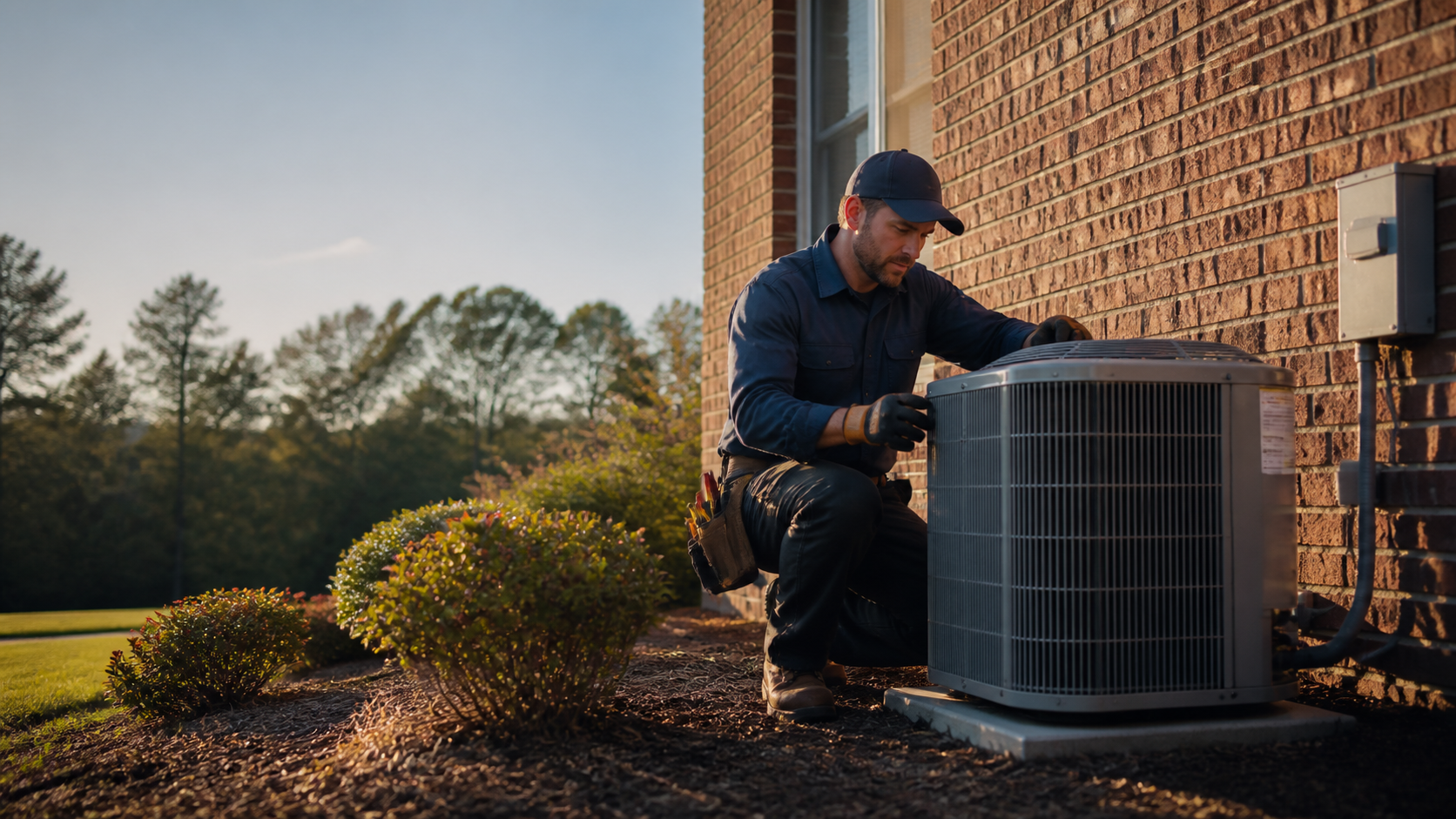
Gas odor means distance first
Natural gas is odorized to smell like sulfur or rotten eggs. Hissing, a blowing sound, bubbles in standing water, or a dead patch of grass can also point to a leak. Leave. Don't try to find it.
Carbon monoxide is different
Carbon monoxide has no smell and no color. If a CO alarm sounds, or anyone has a headache, dizziness, weakness, nausea, chest pain, or confusion, get outside, call 911, and don't go back in until responders say you can.
The all-clear comes before HVAC service
The utility or emergency responders handle the immediate hazard. Once they've cleared the home, we can look at the furnace, combustion, vent connections, flues, and related equipment.
Use the right utility number
Washington Gas lists 844-WASHGAS, option 1, for its emergency leak line. If another company serves your address, use that provider's emergency line or the Maryland Public Service Commission utility directory.
Safety comes before the HVAC diagnosis
A gas odor, a suspected leak, or a CO alarm isn't a routine troubleshooting problem — it's a 911-and-the-utility problem. We look at the HVAC equipment only after they clear the home.
The all-clear changes the next step
Once the home's safe to enter, we'll walk you through what the equipment, combustion, and venting inspection found, what's still uncertain, and which repair makes sense.
What the visit should cover.
We start with what you noticed, test until the cause is clear, and stop when you know enough to decide.
Start with the timeline
Tell us when you noticed the odor, hissing, alarm, or shutdown, whether the furnace was running at the time, and what the utility or responders have already done.
Inspect the equipment
After the all-clear, we can look at furnace operation, combustion, vent connections, flues, combustion airflow, and the path that carries exhaust outside.
Explain the repair choice
You'll get a plain explanation of the failed part or condition — including whether the utility already resolved the gas side and what HVAC work, if any, is still needed.
Repair and test
With your approval, we'll repair or adjust the HVAC equipment and test it against the original symptom. Don't reset or run an appliance that responders told you to leave off.
Questions before hvac gas leak safety in frederick, md.
What should I do if I smell gas near my HVAC equipment?
Leave immediately. Don't use a phone, flip a switch, start a car, look for the source, or shut off an appliance inside. From a safe location, call 911, then the gas utility serving your address. Don't return until responders or the utility say it's safe.
What if a carbon monoxide alarm sounds?
Get outside to fresh air and call 911 or the fire department. Carbon monoxide is odorless and colorless, and symptoms can include headache, dizziness, weakness, nausea, chest pain, or confusion. Don't go back in until emergency responders say you can.
When does an HVAC diagnosis make sense?
After an active gas leak, fire, or CO event has been handled and the home's safe to enter. It also makes sense for a gas furnace that keeps shutting down, running strangely, or showing a suspected combustion or venting problem when there's no active emergency.
Get a clear HVAC answer after the all-clear
If the utility or emergency responders have cleared the home, tell us what changed with the furnace and what they already found. We'll trace the symptom to the equipment and the next safe step.