A new sound starts
Note the kind of sound - a buzz, a rattle, a grind - and whether it happens at startup, while running, or when the system stops.
Knoxville HVAC repair
Knoxville sits in the southwest corner of Frederick County, South Mountain rising just west and the Potomac on the other side, with homes near the village center, out along MD-180, and toward US-340. Start with the sound, smell, or temperature change you can actually describe. Tell us what changed, when it happens, where you notice it, and whether the system is moving air, leaking, icing, or leaving one area uncomfortable.
Useful clues
Before the visit, note the thermostat setting, when the issue began, and where it appears. Visible water, ice, or an error code helps - so does a new sound. Small details keep a vague problem from turning into a guessed repair.
Note the kind of sound - a buzz, a rattle, a grind - and whether it happens at startup, while running, or when the system stops.
Musty, burning, and gas-like odors are different problems. Note where the smell is strongest, and stop troubleshooting for gas, smoke, or a sharp electrical odor.
Tell us whether one room, one floor, or the whole home is affected, and whether the air feels warm, cool, or weak from one vent to another.
Record what you can see from a safe distance. Do not chip ice, open the cabinet, handle refrigerant lines, or keep resetting a breaker.
Diagnosis before direction
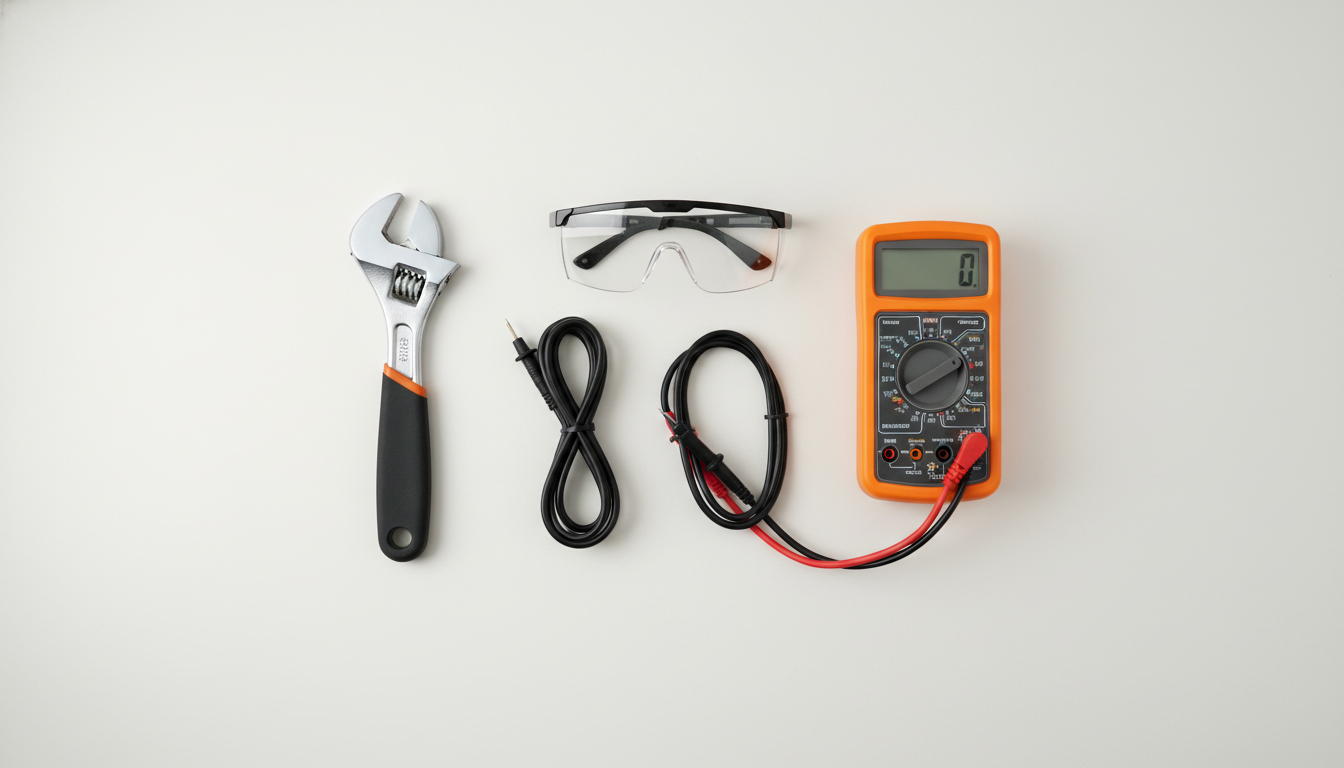
The check may move from the thermostat and filter to airflow, electrical parts, drains, ignition, safety controls, and outdoor equipment. On a cooling call we are often measuring the air going in and the air coming out - it should drop about 15 to 20 degrees. A heat pump or ductless zone adds its own clues.
We explain what failed and what the repair is meant to change. That keeps routine maintenance and replacement planning separate from the immediate problem.
What happens next
Share the equipment type, timing, location, thermostat reading, and what you noticed from a safe distance.
We follow the symptom through the relevant controls and components instead of guessing from one sound or temperature reading.
You'll understand the recommendation, approve the work, and we check the result against the original complaint.
Replacement's worth comparing when failures repeat, a safety issue changes the picture, or a major part makes the decision bigger than one repair.
Knoxville service options
Questions homeowners ask
Share what changed, when it began, where you notice it, what the thermostat shows, and whether the system is running, stopping, leaking, or making a new sound. You do not have to know which part failed.
Yes, if you can do it from a safe distance. A short recording of a recurring sound or a photo of visible water, ice, or an error code can help. Do not open equipment or reach near moving parts.
Stop for a carbon monoxide alarm, gas-like odor, smoke, electrical burning smell, sparking, or another immediate danger. Leave the home and use emergency help from a safe location.
Tell us what the system's doing now versus before it started.