Before sustained summer use
Check cooling performance, airflow, the drain under the unit, and the outdoor equipment before the long hot-weather runs start.
From older farmhouses off MD 75 to newer builds, Green Valley homes lean on their heating and cooling in both seasons. Maintenance shows you a working system's real condition before a breakdown makes the decision for you.
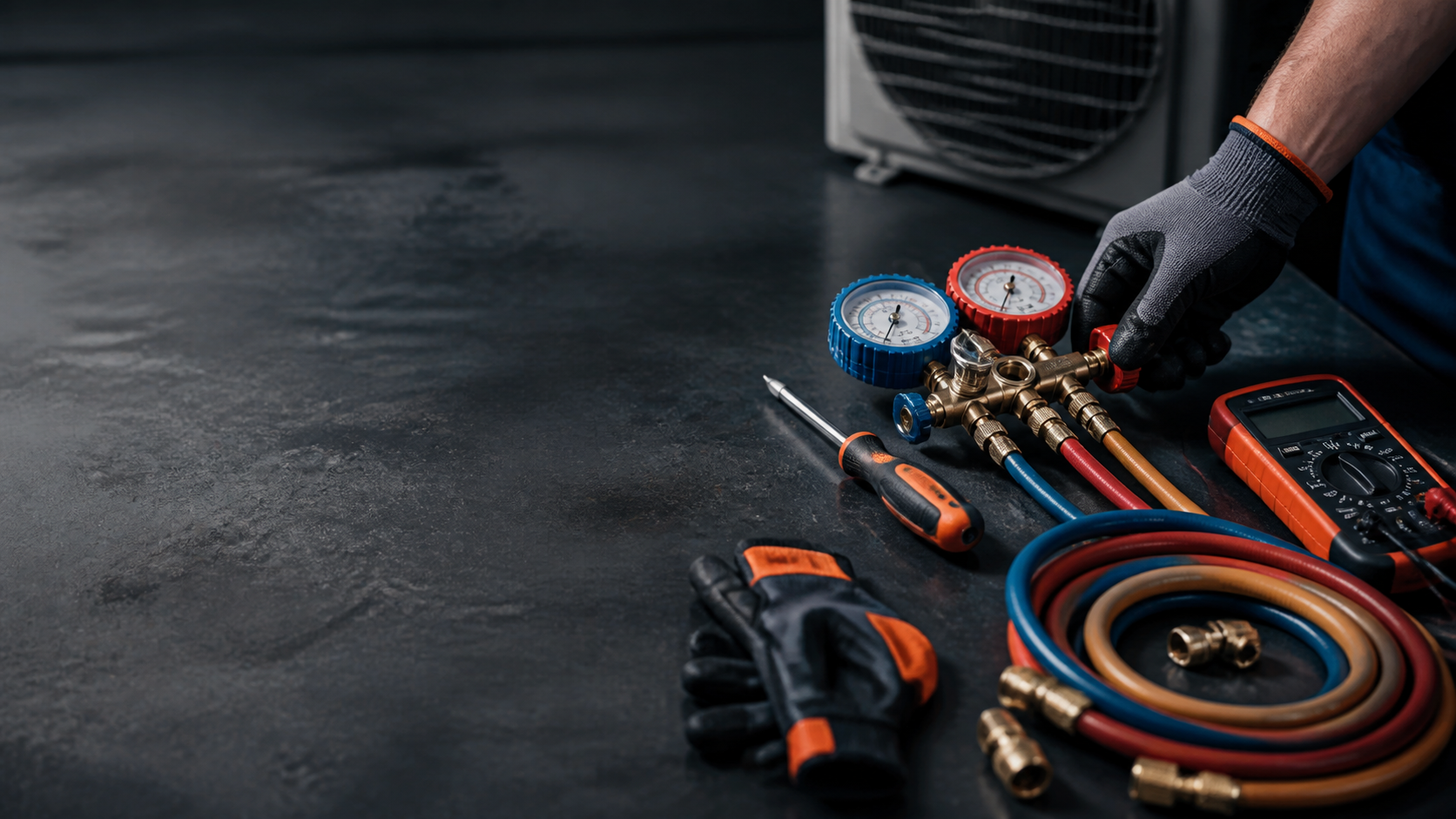
Maryland seasonal maintenance follows the demands of the next heating or cooling season. It's not one identical appointment date for every home.
Check cooling performance, airflow, the drain under the unit, and the outdoor equipment before the long hot-weather runs start.
Review heating operation, airflow, ignition or fuel-related parts, controls, and whatever safety components apply to this furnace.
A heat pump handles both heating and cooling, so its maintenance has to account for both sides of the job.
There's no single checklist for every system. The service we provide should fit the actual equipment, its condition, and what it's doing right now.
The thermostat, control sequence, filter, blower, supply air, and return air all show how the system's actually operating.
Accessible coils, the drain line, and any sign of water trouble can point to a cleaning need or a repair. Keep 2 feet clear around the outdoor unit too.
Connections, visible wear, and safety controls get checked whenever they fit the equipment and the service scope.
On equipment with a refrigerant circuit, ice or weak cooling often needs diagnosis instead of a routine tune-up.
Cooling performance, airflow, drains, controls, and the outdoor unit.
Heating operation, ignition, fuel-related parts, airflow, and safety controls.
Heating and cooling modes, controls, defrost operation, and service history.
Indoor heads, filters, zones, and the manufacturer's cleaning instructions.
Ductless systems have their own indoor-unit and filter needs. If several indoor heads are installed, tell us whether it's one room or the whole home that's affected.
Write down when the problem happens, which rooms are affected, and anything you see, hear, smell, or feel. That's useful even when you don't know the failed part.
Don't open a sealed refrigerant circuit, work on gas connections, or take apart electrical components. Stop for smoke, active water damage, exposed wiring, or anything that just feels unsafe.
A routine appointment and a failing system don't have the same job.
Seasonal maintenance fits when you want the equipment checked before the next stretch of heavy use.
Ask for diagnosis when the system's noisy, leaking, short cycling, weak, or can't hold the set temperature.
Leave for gas odor, smoke, sparks, fire, or a carbon monoxide alarm, and call 911 or the gas utility from a safe spot.
The useful time is before the season you'll actually lean on the equipment for. Air conditioners usually get attention before sustained summer use, furnaces before the heating season. Heat pumps need planning for both.
It might find a filter, register, return-air, or airflow issue. If duct design, sizing, insulation, or a building change is the real cause, that needs a broader diagnosis instead.
Lead with the symptom and ask for diagnosis instead. A routine check shouldn't replace finding out why the system's warm, leaking, tripping, or short cycling.
Tell us whether this is routine planning or a symptom that needs a diagnosis.