Warm Air or Frozen Coils
We check capacitors, contactors, refrigerant indicators, dirty coils, clogged condensate drains, filters, and blower operation before recommending AC repair.
When the AC quits during a humid Frederick afternoon or the heat stops on a January night, you need a technician who can find the failure quickly and explain the repair clearly.
No-heat and no-cooling calls usually have a chain of causes. We start with what the system is doing, then work through the thermostat, airflow, electrical, refrigerant, ignition, and safety checks.
The visible symptom is only the starting point. A frozen coil, short-cycling furnace, weak airflow, or heat pump stuck in auxiliary heat each points to a different repair path.
We check capacitors, contactors, refrigerant indicators, dirty coils, clogged condensate drains, filters, and blower operation before recommending AC repair.
Heating repair starts with ignition, flame sensing, gas or electrical supply, venting, thermostat calls, filters, blower operation, and safety switches.
Heat pump service may include the outdoor unit, reversing valve, defrost cycle, refrigerant level, auxiliary heat, thermostat controls, and airflow.
Frederick homes with additions, limited ducts, radiators, or mini-splits often need boiler service, ductless repair, zoning checks, or thermostat troubleshooting.
HVAC trouble in Frederick City can mean AC repair, no heat, heat pump problems, maintenance, or an urgent safety concern. Tell us the symptom and we'll match it to the right service.
If your AC is acting up, we start with the thermostat and filter, then work through the blower, evaporator coil, condensate drain, outdoor condenser, capacitor, contactor, and breaker.
View serviceWhen the heat goes out, we test ignition, flame sensing, venting, circulation, defrost, auxiliary heat, the thermostat call, airflow, and the safety switches.
View serviceA heat pump fails differently than a gas furnace, so we check the outdoor coil, reversing valve, defrost cycle, refrigerant-side clues, controls, and airflow.
View serviceIf the system still runs, we'll check the filters, coils, drains, motors, electrical parts, ignition, thermostat behavior, and safety controls before the next hard-weather stretch.
View serviceTell us whether the thermostat is calling for heat or cooling, whether the screen is blank, and whether the fan runs.
Weak vents can turn into frozen coils, furnace shutdowns, heat pump problems, and uneven Frederick City rooms.
A short description or photo helps. Don't open panels, bypass switches, touch wiring, handle gas parts, or work around refrigerant.
Those calls go to emergency services or the utility first. We'll schedule the repair once the immediate danger is handled.
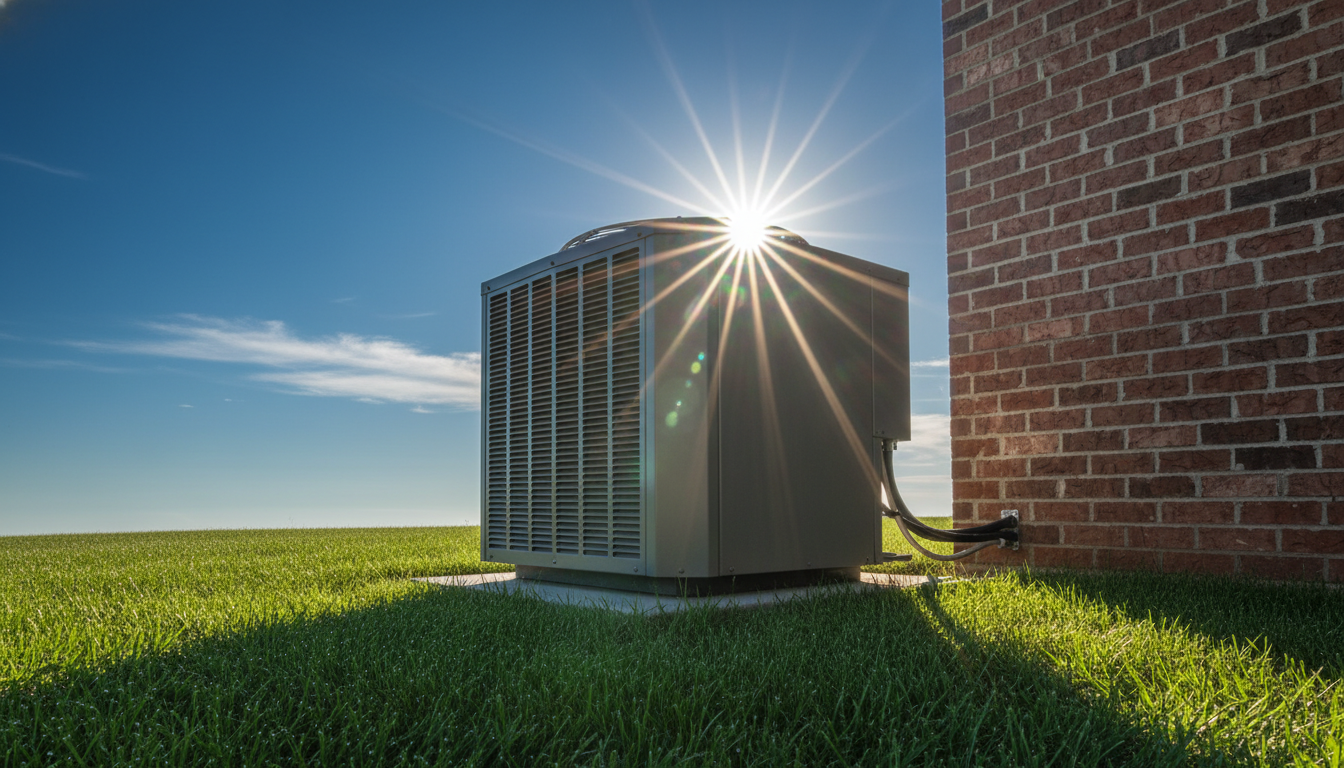
An air conditioner that runs but does not cool may have a weak capacitor, dirty coil, refrigerant leak, blower issue, restricted filter, clogged drain, failed contactor, or compressor problem. We inspect the full cooling cycle before recommending a repair, because the obvious part is not always the actual failure.
Frederick winters put real load on heating systems. If your furnace won't ignite, your boiler isn't keeping up, or your heat pump runs constantly without warming the house, get the repair scheduled before the problem damages another component.
Furnace repair can involve ignition, flame sensing, gas or electrical supply, blower operation, venting, filters, thermostat calls, and safety switches. Heat pump repair may include the outdoor unit, reversing valve, defrost cycle, refrigerant level, auxiliary heat, and controls.
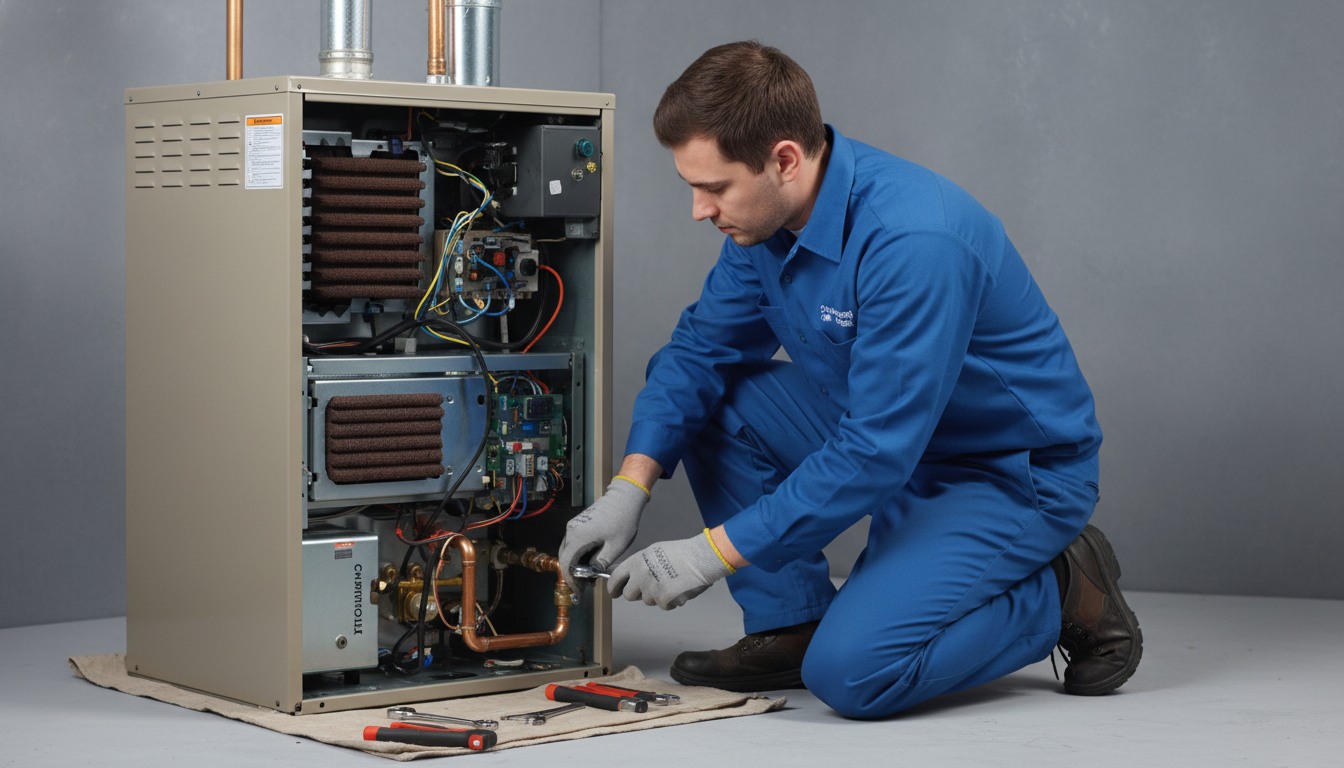
Homes near Downtown Frederick, Baker Park, and the Historic District often bring limited duct space, older electrical systems, boiler or radiator heat, additions, plaster walls, and preservation concerns. The right repair path has to fit the building, not just the equipment.
That may mean repairing the existing system, improving airflow, recommending ductless mini-splits for hard-to-condition rooms, updating thermostats, or discussing high-efficiency equipment that works with the house.
By the end of the visit, you'll know what failed, what we checked, what we can repair, and what belongs in a future replacement or maintenance plan.
We collect the address, equipment type, urgency, thermostat behavior, and any safety concerns. Gas smell, smoke, electrical burning, or a carbon monoxide alarm means leaving the home and calling emergency services first.
We test thermostat communication, voltage, capacitors, contactors, blower operation, filters, refrigerant indicators, drains, ignition parts, safety switches, and airflow.
We give you the findings and repair options before any work begins. If the part is on hand and the repair makes sense, we fix and test the system before we leave.
When age, repeated failures, outdated refrigerant, safety concerns, or a major component changes the math, we separate urgent repair from replacement planning.
Best when the system is newer, the failed part is available, the cost is reasonable, and the equipment has not been breaking down repeatedly.
Worth discussing when equipment is old, unsafe, inefficient, tied to outdated refrigerant, or close to needing a major component.
Seasonal tune-ups catch weak capacitors, dirty coils, clogged drains, worn ignitors, loose electrical connections, airflow restrictions, and thermostat issues before the hardest weather hits.
A few questions come up before most urgent calls: what counts as emergency service, what systems we handle, and what to check before a technician heads out.
Yes. Call (301) 555-1234 for urgent no-heat, no-cooling, heat pump, furnace, boiler, or AC repair. If you smell gas, see smoke, or have a carbon monoxide alarm, leave the home first and contact emergency services.
We service central air conditioners, gas and electric furnaces, heat pumps, boilers, ductless mini-splits, thermostats, humidifiers, dehumidifiers, air handlers, and ductwork.
It depends on the diagnosis, the part, the system type, parts availability, and whether the call falls in normal or emergency hours. We explain the findings and repair options before any work begins.
Repair is often best for an isolated part failure on a system with years of service life left. Replacement may be smarter when the system is old, inefficient, unsafe, repeatedly breaking down, or needs a major component.
Yes. Older homes may need careful airflow, ductwork, boiler, thermostat, ductless, or retrofit planning. We account for those constraints when diagnosing repairs and discussing equipment options.
Check the thermostat setting, inspect or replace the filter, confirm the breaker is on, make sure vents are open, and look for water, ice, burning smells, or error codes. Don't open electrical panels, handle refrigerant, bypass safety switches, or work on gas components — leave those to us.
Fast, practical HVAC repair for Frederick City homes, historic properties, and small businesses.