The system does not respond
A blank thermostat, a system that won't start, or a sudden stop can come from the controls, the power, or the equipment itself.
Emmitsburg HVAC repair
When your heating or cooling system changes behavior, we don't start by guessing the failed part. We connect what you noticed to what the system's doing now.
Start with the symptom
A diagnosis is useful when a problem's persistent, recurring, getting worse, or hard to explain. What you noticed gives us a place to start.
A blank thermostat, a system that won't start, or a sudden stop can come from the controls, the power, or the equipment itself.
Warm vents, weak airflow, humidity above 60 percent, or one room that stays uncomfortable can point to more than a dirty filter.
Buzzing, grinding, rattling, short cycling, or longer run times are useful clues, so tell us what changed and when.
Ice on cooling equipment or water near the indoor unit deserves attention, especially if it keeps coming back.
A connected check
A filter may be the visible problem. It might also be the first clue to a bigger airflow, drainage, control, or equipment issue. We look at the indoor and outdoor components together, not one at a time.
The thermostat call, filter, return path, blower, vents, and ductwork can all change how a room feels.
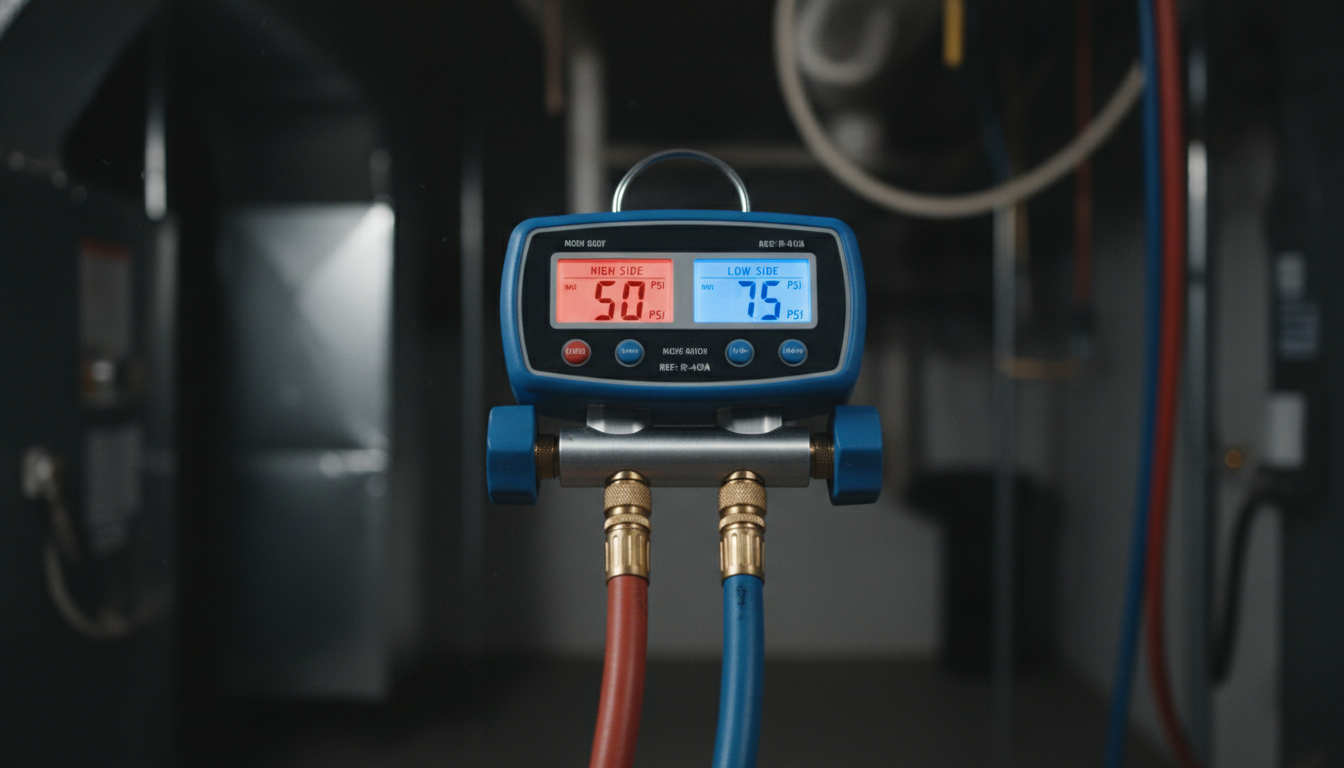
Depending on the problem, we might check controls, electrical connections, drains, coils, refrigerant-side clues, or heating components.
You'll know what changed, what caused it, which part of the system's affected, and what work we're recommending now.
A defined failure may just call for repair. Repeated breakdowns, safety concerns, or a system that's 15 or more years old can justify comparing replacement.
Refrigerant work isn't a homeowner adjustment. EPA-certified technicians should handle residential air-conditioning and heat-pump refrigerant work. See EPA guidance.
Before you call
Stick to observations you can make safely. Stop at gas, combustion, electrical, or refrigerant work.
Note the mode, set point, room temperature, and whether the system responds. Don't remove panels to go after wiring.
A clogged filter can restrict airflow. We'll tell you the right size and how often to swap it for your equipment.
Make sure supply vents and return grilles aren't blocked by furniture, rugs, storage, or closed doors.
Look for heavy debris around the outdoor unit and note what you hear, see, smell, and feel without touching the equipment.
Write down when the symptom began, which rooms it hit, and whether it happens in heating or cooling mode.
Leave the home and call emergency services or the fire department from a safe location. Don't go back in until responders say it's okay.
Choose the next step
Age matters, but it's not a universal verdict. The current failure, repair history, comfort, airflow, ductwork, and home conditions all belong in the decision.
Plan a seasonal check of filters, airflow, drainage, controls, and safety operation before peak demand hits.
Ask us for a diagnosis when the symptom's persistent, recurring, worsening, or hard to explain.
Leave for a gas odor, smoke, fire, sparking, a carbon-monoxide alarm, or any symptom that suggests carbon monoxide, then call 911.
Clear answers
Good help should leave you knowing what we checked, what needs doing now, and what can wait.
No. Diagnosis identifies the likely cause and explains the system's condition. Repair is the work we choose once that's understood.
No. A dirty filter can restrict airflow, but it doesn't explain every no-start, water, ice, noise, control, duct, or refrigerant symptom.
No. Age is a planning signal, not a stand-alone verdict. Equipment condition, repair history, comfort, ductwork, and the home all belong in the conversation.
Ask what failed or changed, how that finding relates to your symptom, what work we're recommending now, and what happens if you wait.
Emmitsburg services
We use the same symptom-first approach for a seasonal check, a comfort change that's hard to pin down, or a system that needs a repair decision.
Share the symptom, the equipment type, and any safety concern. We can help you decide what deserves attention first.