The thermostat's set to heat, but the rooms stay cold
A boiler that won't start and one that runs without warming the home can look the same from the couch. They need different checks.
Boiler repair in Burkittsville, MD
Burkittsville has plenty of older housing, and where there's older housing there's usually hot-water heat - radiators, baseboards, and the boiler keeping it all moving. A cold radiator, a new banging sound, or a puddle near the equipment can leave you wondering whether you need a 5-minute adjustment or a major repair. A cold room is a symptom. We find the reason before we touch anything.
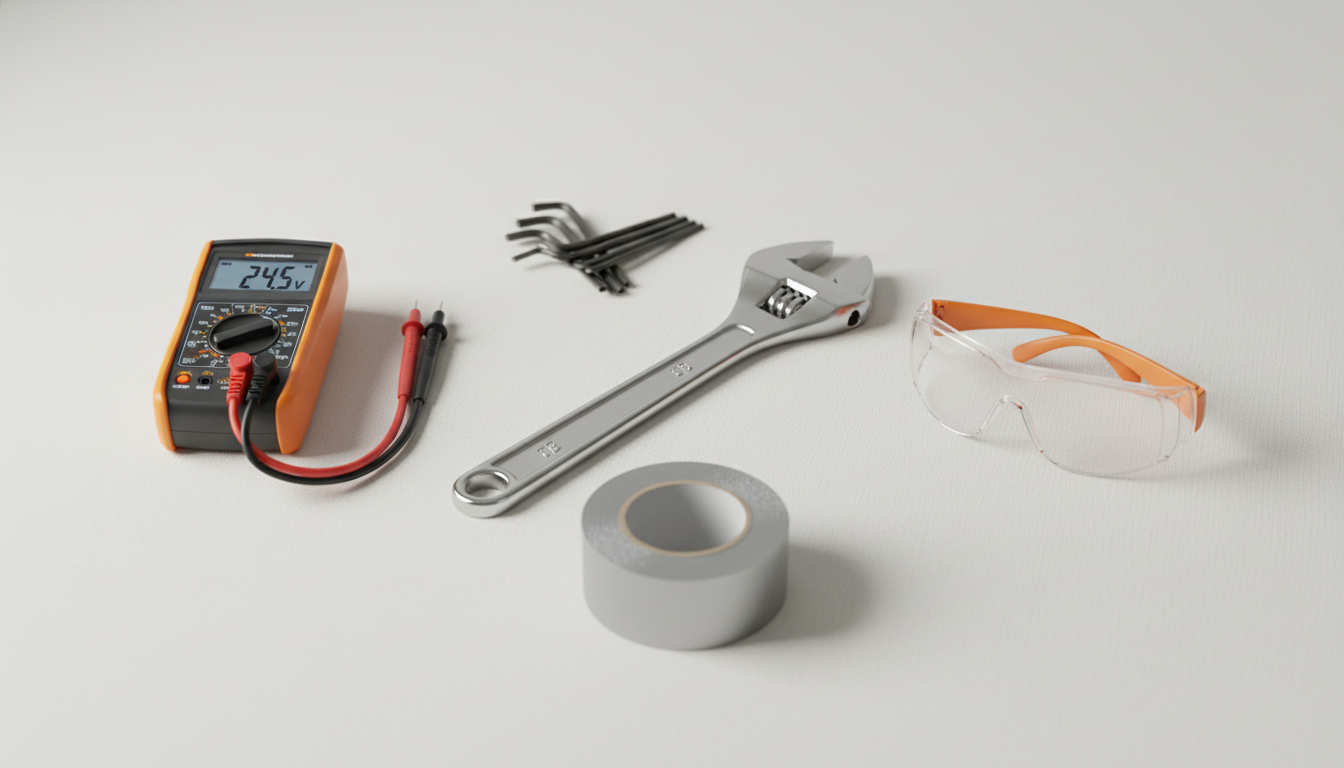
Start with the evidence
We can separate a control problem from a pressure, circulation, fuel, electrical, water, or venting concern. That gives you a clearer choice about repair, maintenance, or replacement once the findings are in.
Burkittsville homes don't all share the same boiler layout, fuel source, piping, insulation, or radiator design. Equipment age matters, but a repair can still make sense when the problem's isolated and the rest of the system's in reasonable shape.
What changed?
Some changes are easy to shrug off until the system stops working completely. A few clear notes help the service call start with the actual problem, not a guess.
A boiler that won't start and one that runs without warming the home can look the same from the couch. They need different checks.
Circulation, a valve, a control, trapped air, or the distribution piping can affect one room or one zone without stopping the whole system.
A new sound usually ties back to water movement, air, circulation, or a part that needs service. Note when it happens and how often.
Look from outside the service panels and tell us where the water shows up and what the gauge reads. Don't treat a pressure problem as a DIY fix.
The issue could be the control, the wiring, or the boiler itself. Swapping a part based on the symptom alone can waste an afternoon and real money.
Write down the timing, which rooms are affected, and what the system does in the 30 seconds before it stops. That pattern helps the diagnosis.
Only low-risk observations
These checks give us useful information without asking you to open the boiler or touch internal components.
Confirm it's set to heat, the setpoint sits 5 degrees above the room, and the display has power.
Note visible water, a blank display, an unusual odor, or a pressure reading that's changed.
Make sure radiators and vents aren't blocked by furniture or storage, then note which areas are affected.
Write down the indoor temperature, the thermostat setting, the pressure reading if you have one, and any new sound.
Safety first
Stop troubleshooting and move to safety if you smell gas, see smoke, notice a burning electrical odor, hear a strong hiss of gas, or hear a carbon monoxide alarm. Leave the area and call the appropriate emergency service, utility, or fire department from a safe spot.
Gas odor or CO alarm Leave the area now. Don't go back in to reset the boiler or search for the source.
Water near electrical equipment Move away and get help unless you know the correct shutoff.
Maryland guidance Review the Maryland Department of Labor boiler safety information.
The service visit
A diagnosis turns a broad complaint into a repair decision, usually in one visit. Ask for the problem to be explained in plain terms, not jargon.
Share when the problem began, which rooms are affected, whether the boiler starts, and whether you see water or a pressure change.
The checks can cover the thermostat and the controls, the piping you can see, and the pressure behavior. After that it's circulation, the fuel or electrical supply, and the venting.
You should hear what the failed part does, what evidence points to it, and whether the fix solves the cause or just the symptom in front of you.
Condition, reliability, safety, prior failures, and what the work is actually worth matter more than age alone or pressure to replace.
Repair or replacement?
Boiler repair prices vary because the work varies. A control adjustment, a circulation problem, a leak, a venting issue, and a major component failure don't take the same labor or parts.
Before you approve work, ask what failed, what the repair's meant to fix, whether there are related concerns, and what signs would mean the system needs a bigger look.
Before you request service
Reliable heating starts with a safe observation and a diagnosis that explains what the system actually needs.
You can confirm the thermostat mode and setpoint, look at the display, watch for water or pressure changes from outside the panels, and make sure radiators and vents aren't blocked. Don't remove covers, touch gas connections, bypass a safety control, adjust wiring, or reset a unit showing a warning more than once.
If you smell gas, see smoke, notice a burning electrical odor, hear a strong hiss of escaping gas, or hear a carbon monoxide alarm, leave the area now and call 911, the gas utility, or the fire department from a safe spot outside. Don't go back in to reset the boiler or hunt for the source.
A newer boiler with one isolated problem is often worth repairing. Repeated breakdowns, corrosion, unsafe operation, or a major failure point toward a broader look. Ask what the repair will fix, what it won't, and how the rest of the equipment's condition factors into the call.
A control adjustment, a circulation problem, a leak, a venting issue, and a major component failure don't take the same labor or parts. A clear explanation of what we found and what it'll take is worth more than a number pulled off the internet.
Tell us what changed, which rooms are affected, and what the boiler's doing now. If there's gas odor, smoke, a burning electrical odor, or a carbon monoxide alarm, leave first and call 911.