The room stays warm or cold
Warm air in cooling mode, weak heat, or a system that runs nonstop can point to the setting, the airflow, the outdoor unit, the controls, or the refrigerant circuit.
Ductless comfort in Braddock Heights
A ductless mini-split stops cooling a bedroom, leaves one zone uncomfortable, or starts making a sound you haven't heard before. Mini-splits are a natural fit in Braddock Heights, where plenty of mountain houses never had ducts to begin with - so when one zone quits, there's one useful question to ask first: is this minor, or does the system actually need repair?
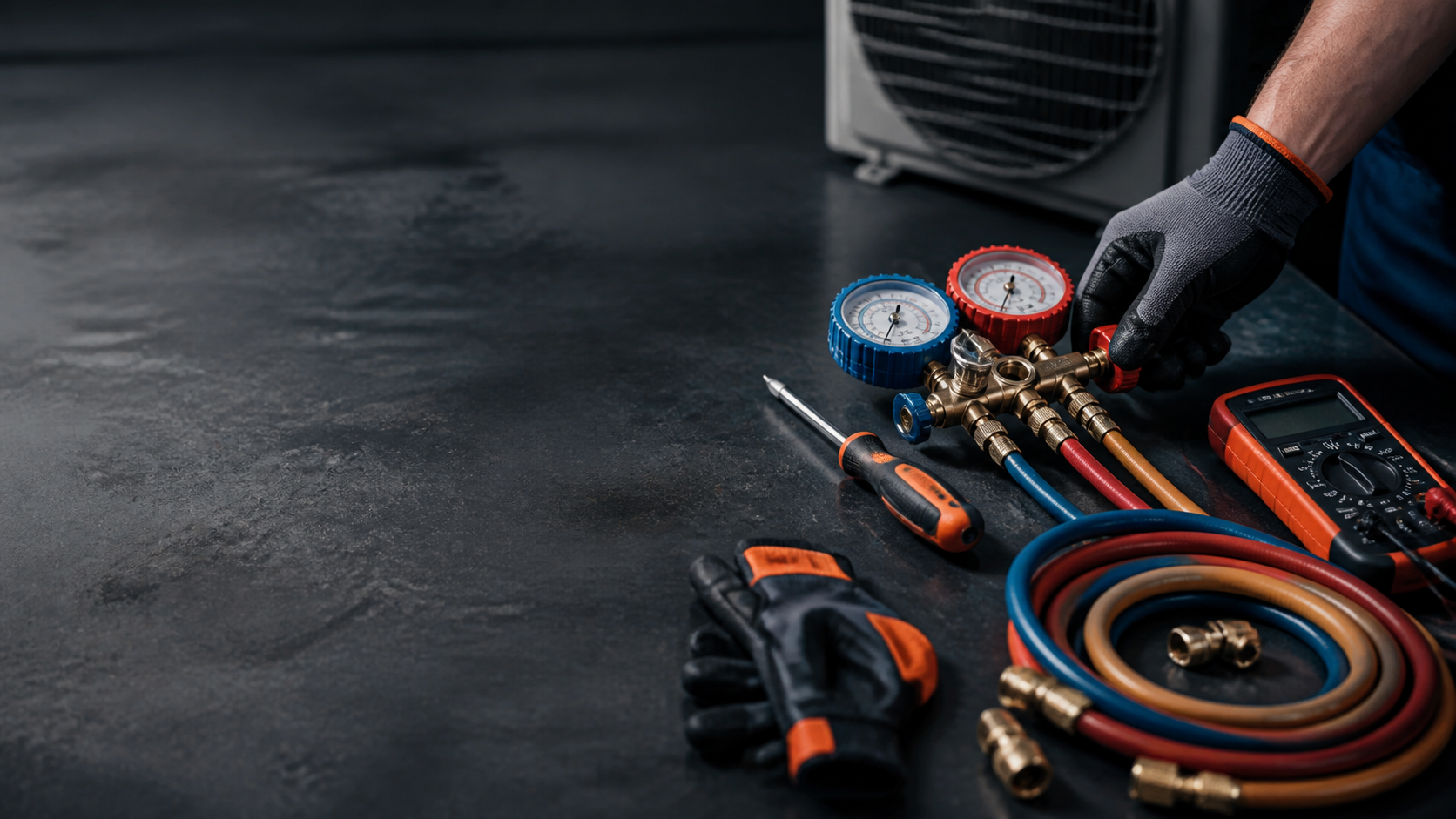
A ductless heat pump can connect one indoor unit or several to a single outdoor unit, controlling comfort room by room. The affected head, the rest of the system, and the connection between them all belong in the diagnosis. See the Department of Energy overview.
What changed?
Some problems are obvious. Others start small, easy to shrug off until the room's actually uncomfortable. Note when it began and whether it's one indoor unit or several.
Warm air in cooling mode, weak heat, or a system that runs nonstop can point to the setting, the airflow, the outdoor unit, the controls, or the refrigerant circuit.
A dirty filter, a blocked intake, a fan problem, or a fault inside the unit could be behind it. One weak head usually means a zone-specific issue. Every head weak at once means look wider.
A blocked drain line, a frozen coil, an install issue, or another fault can cause this. Shut the system off if water's reaching wiring, walls, floors, or furniture.
Buzzing, grinding, clicking, short cycling, or ice on the coil or lines isn't something to reset away. Note exactly when it happens.
Only the low-risk checks
These checks rule out a simple operating issue. They don't replace a real diagnosis. Stop when you see damaged wiring, heavy ice, water near wiring, a burning smell, or a breaker that trips a second time.
Confirm the mode, the setpoint, the batteries, the timer, the sleep setting, the schedule, and the zone setting on the remote or thermostat.
Check the filter and make sure curtains, furniture, and stored items aren't blocking the indoor intake or discharge. Follow the equipment manual for cleaning it.
From a safe distance, look for leaves, grass, plastic, or debris packed against the cabinet. Don't remove panels, reach inside, or touch the wiring.
Damaged wiring, a burning smell, arcing, active water damage, heavy ice, a refrigerant concern, or a breaker that trips a second time: leave those to a trained technician.
The repair visit
Be ready to say which head's affected, what the system was doing right before the problem showed up, and whether anything changed recently.
Tell us which indoor unit's affected, what changed, and whether it followed a storm, a long cooling run, or a power outage.
We check the indoor head, the outdoor equipment, the controls, the airflow, the drain, the wiring, and the refrigerant circuit.
We treat a filter fix or airflow correction as a different job than a drain repair, a component test, or a real leak-and-circuit diagnosis.
You should be able to say which symptom was confirmed, what the repair changes, and what signs mean it needs another look.
Sizing and installation both affect how a ductless system heats and cools. A comfort problem that keeps coming back may need a look at the equipment's condition and how it was installed, not just the first part that tests out of range. See ENERGY STAR guidance.
Repair or replace?
Age alone doesn't tell you whether a focused repair makes sense. Repeat failures and major component problems deserve a real comparison, not an automatic pitch for a new system.
A focused repair can make sense when the equipment's in reasonable shape and the fix actually restores the comfort the home needs.
Comfort problems that won't quit, repeat breakdowns, or a major sealed, electrical, or control part failing deserve a real explanation before replacement.
A Braddock Heights diagnosis
Braddock Heights homes don't all use ductless systems the same way. The room, where the equipment sits, and how the indoor and outdoor units connect help explain why the exact same complaint can have different causes.
A single indoor unit might serve an addition while every other zone runs fine. That symptom doesn't automatically say anything about the outdoor equipment or the rest of the house.
A head over a bed, a desk, a stairway, or a kitchen can show a comfort problem differently than one in a room nobody uses. Where it sits and how it's accessed both matter.
How the drain water gets routed out, the filter's condition, how easy the outdoor unit is to reach, and system sizing can all shape performance.
When to request help
Call for a diagnosis when the system can't hold comfort, the same fault keeps coming back, water or ice shows up, the unit won't start, or an unusual sound gets worse.
Shut it down: a burning smell, visible electrical damage, water reaching wiring, heavy ice, or a breaker that keeps tripping.
Leave first: smoke, sparks, a gas odor, or a carbon monoxide alarm. Get somewhere safe and call 911 or the gas utility.
Bring: the brand and model if you can find them, the affected room, the mode, the set temperature, and a short description of what changed.
Before you call
These answers cover the practical questions homeowners ask when a ductless system starts acting up.
The remote mode, the filter, the coil, the drain, a sensor, a control, or the outdoor unit can all cause this in one zone. Tell us what the other indoor units are doing.
Try the normal control once, if the manual allows it, and note what happens. Resetting it 3 or 4 more times just hides the pattern, and it doesn't fix the underlying fault.
No. Shut it off if water's reaching electrical components or soaking a wall, floor, or furniture. Don't run it and hope the leak stops on its own.
No. Don't open the refrigerant circuit or try to add refrigerant yourself. That work needs the right equipment, training, and EPA Section 608 certification.
Tell us which zone changed, what you've checked, and what the system's doing now. That gives the diagnosis a clearer starting point.