Ballenger Creek, MD

HVAC maintenance in Ballenger Creek starts with what changed.

Maintenance works best when it's answering something specific: a room that's drifted warm or cold, a filter that clogs fast, a new noise, or a system you just want checked before the next season hits.

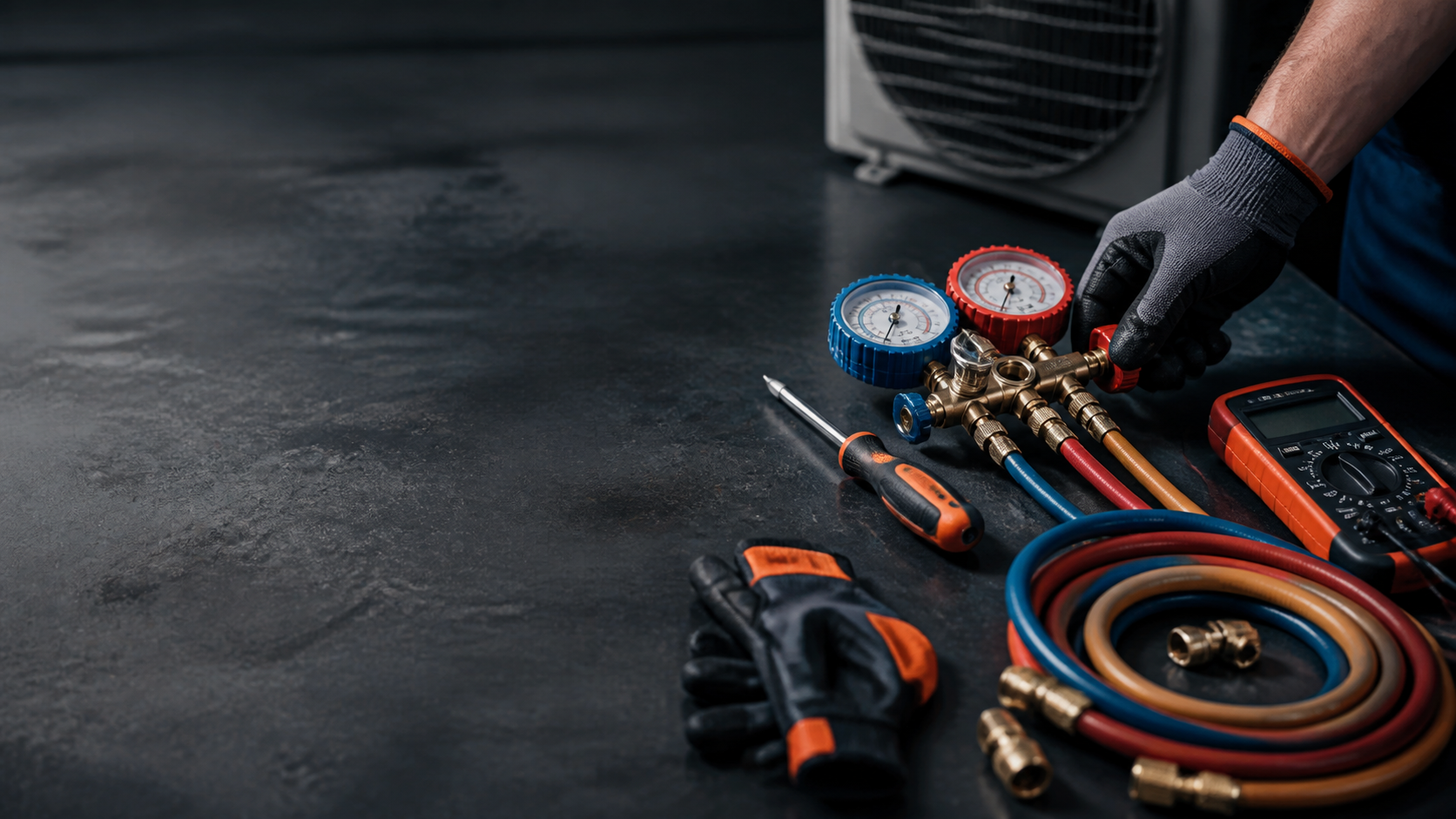
HVAC tools ready for a maintenance check in a Ballenger Creek home
What the visit can cover

A useful check follows the equipment and the complaint.

Ballenger Creek homes run central air conditioners, furnaces, heat pumps, or some mix of those. The right maintenance plan depends on the equipment, the house, and what you're noticing room to room.

Every system

Start with the comfort complaint

A filter that clogs fast, a room that won't cool evenly, a drain that's starting to back up, or a new sound: any of those gives the visit a real starting point. Bring the room pattern and how the thermostat's been acting.

See the ENERGY STAR checklist
Cooling

Keep heat moving out

Cooling maintenance can touch the evaporator and condenser coils, refrigerant levels, the blower, condensate drainage, controls, and the airflow that carries cool air through the house.

Review cooling guidance
Heating and heat pumps

Check the season you are entering

Furnaces need heating-side and combustion attention. Heat pumps run both seasons, so tell us whether you want a seasonal check or help with noise, icing, short cycling, or a temperature that won't hold.

Consult the DOE consumer guide
Timing matters

Schedule before the season that will work the system hardest.

ENERGY STAR recommends a pre-season checkup every year: cooling equipment in spring, heating equipment in fall. That window gives you a real chance to fix a concern before a long run of hot or cold weather sets in.

Spring

Prepare the cooling side

ENERGY STAR recommends a pre-season cooling check in spring. That gives you room to fix a concern before the long hot stretch hits.

Fall

Give heating a head start

Plan the heating check for fall, before the equipment has to carry the house through its hardest 3 or 4 weeks. A new noise or cycling change deserves attention sooner than that.

Your manual

Follow the equipment in front of you

Filter, access, and cleaning steps vary by system. The owner's manual matters most for newer controls, heat pumps, and filter cabinets that don't take a standard-size filter.

Safe homeowner checks

Observe first. Stop before the cabinet.

You can gather real clues without opening equipment, touching live components, adjusting gas controls, or connecting gauges. Refrigerant work stays off-limits, too. EPA Section 608 makes that our job whenever it could release covered refrigerants.

Read the EPA certification requirements
  1. 01

    Look at the filter

    ENERGY STAR says check monthly. A dirty filter makes the equipment work harder, and it can damage the system over time.

  2. 02

    Open the air path

    Keep supply registers and return grilles clear of furniture, rugs, storage, and curtains. Note whether one room feels off or the whole house does.

  3. 03

    Read the thermostat

    Note the setting and whether the system starts, runs, stops, or cycles again within 5 minutes. Keep that pattern ready to report.

  4. 04

    Observe outside

    From a safe distance, look for leaves, weeds, water, or ice around the outdoor unit. Clear loose debris only with the equipment off, and don't reach inside.

Know when to change the call

Maintenance is not a disguise for a repair visit.

A routine check fits a system running normally. Ask for a diagnosis when a change sticks around, repeats, or hits your comfort. A dirty filter or a clogged drain explains why a symptom deserves attention, but it won't name a failed part from across the room.

Ask for diagnosis

Describe the pattern, not the part name.

Write down the equipment type if you know it, the thermostat setting, which rooms are affected, and when the problem shows up. Tell the tech what you see, hear, smell, or feel.

  • Warm air during a cooling call, or cool air during a heating call
  • Weak airflow from several registers, or no airflow from one part of the home
  • A system that starts and stops every few minutes
  • Ice, water near the indoor equipment, grinding, buzzing, screeching, or a new vibration
  • A blank thermostat, a breaker that keeps tripping, or rooms that stay damp while the AC runs
Safety comes first

Some HVAC signs are not a troubleshooting project.

If a carbon monoxide alarm sounds, leave the house and follow emergency guidance from outside. Gas odor, smoke, a strong burning smell, or an electrical smell: stop. Don't keep resetting a breaker or restarting equipment just to see if the symptom goes away.

Before you call

Maintenance questions for Ballenger Creek

Clear details make that first call more useful, whether you need seasonal care or help with a comfort problem that keeps coming back.

What should I bring to a maintenance visit?

Tell us about rooms that feel off, the filter's condition, any new sounds, thermostat behavior, and whether you've seen water or ice. A quick photo of visible ice, water, or the filter helps too.

Can maintenance find a repair issue?

It can. A tech might spot a dirty or worn part during a routine check, but a suspected failure still needs its own diagnosis and a written recommendation. Maintenance doesn't guarantee a system never fails.

When is maintenance the wrong first step?

Ask for diagnosis instead when you have no heat, no cooling, a breaker that keeps tripping, heavy water, an odd smell, or anything unsafe. If a carbon monoxide alarm sounds, leave first and call 911 from outside.
Get a useful HVAC check in Ballenger Creek

Tell us what changed and what you want the visit to answer. We'll keep a finding separate from a confirmed failure.