Gas odor, smoke, sparks, or a CO alarm
Get out now and call 911 or the gas company from outside, or from another safe spot. Don't stay inside to test the furnace, reset breakers, or hunt for the source.
An HVAC problem can feel urgent without being a safety emergency. First question: what changed, and is anyone or anything at risk right now? Adamstown sits out in the southern end of the county, so it's worth knowing the answer before you're deciding in the dark.
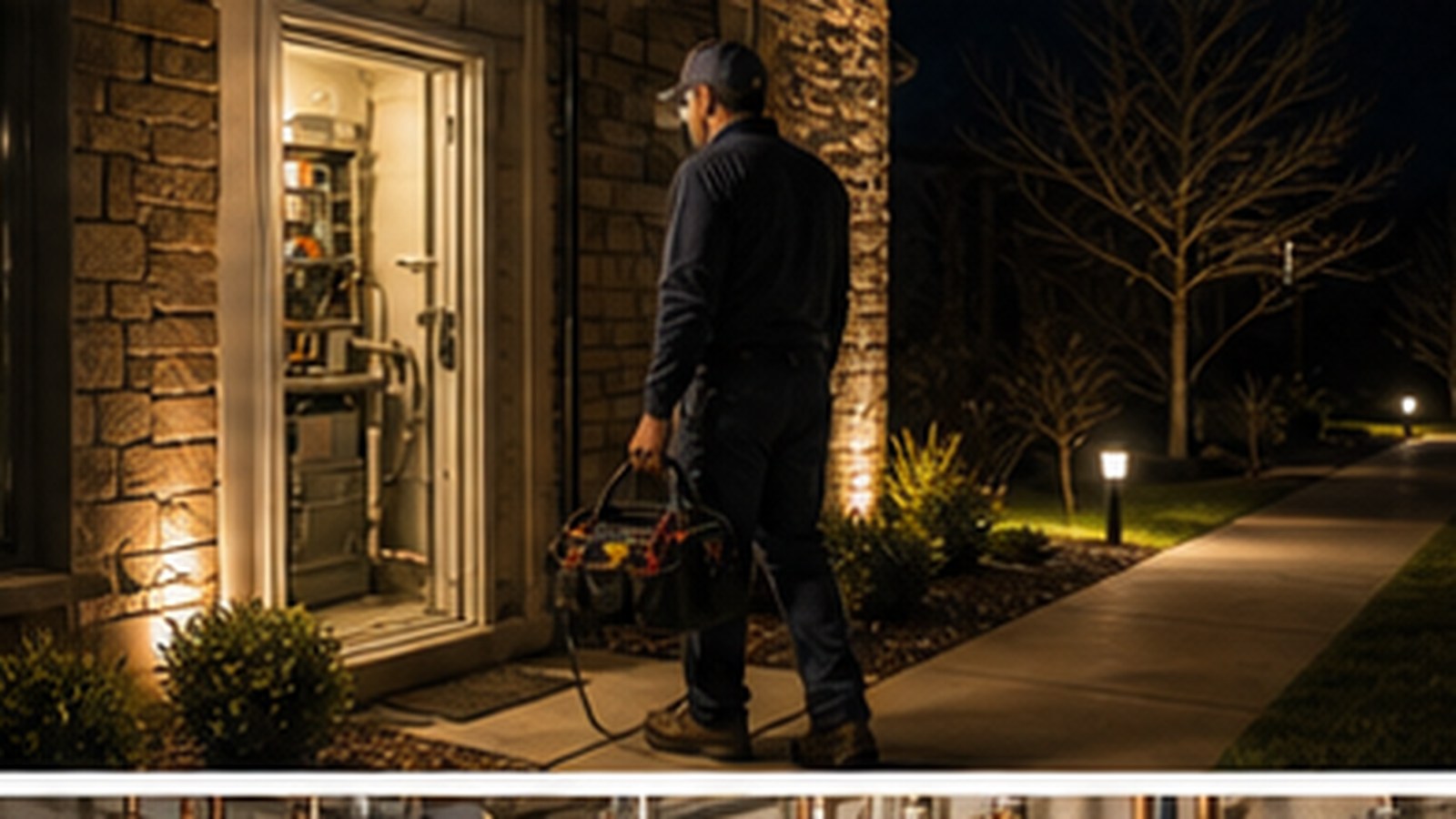
Smell gas, see smoke, notice sparking, or hear a carbon monoxide alarm? Handle that first. The HVAC diagnosis comes after the house is safe.
Not every system failure is the same kind of emergency. What you do next depends on the actual risk, not just the fact that the equipment stopped.
Get out now and call 911 or the gas company from outside, or from another safe spot. Don't stay inside to test the furnace, reset breakers, or hunt for the source.
Shut the equipment off if you can reach the switch safely, stay clear of anything electrical, and call for a diagnosis before it spreads or gets worse.
Check the thermostat and note exactly what the system's doing. A cold night or a brutal afternoon, plus kids, older folks, or pets in the house, can turn an ordinary comfort loss urgent fast.
A small change in a system that's still working is usually a diagnosis or maintenance question, not a crisis. It's still worth catching before it becomes one.
What separates an emergency repair from an ordinary same-day call is urgency and safety risk. Read the Maryland HVAC emergency repair overview.
You don't need to know which part failed. A few safe observations give us a much better starting point.
Note whether the screen's blank, the set temperature's being reached, or the system's calling for heat or cooling without responding.
Note when it started and whether it followed a power outage, a filter change, a storm, a new sound, or a service visit.
Is air moving at all? Weak airflow, no airflow, and air that's the wrong temperature are all worth telling us.
Note where it is, whether it's spreading, and whether water's anywhere near electrical equipment. Don't keep a system running just because there's ice on it.
Snap a photo of an error code or the display, only if you can do it safely. Don't open the cabinet looking for the cause.
What helps us most is the symptom and the timing, not a guess at which part died. Tell us what changed, what the thermostat shows, and what you see, hear, smell, or feel.
A real diagnosis connects the symptom to the system and makes the next decision easy to understand.
Tell us what the system did, when it changed, and whether it starts, stops, leaks, makes a new sound, or throws an error.
Depending on the problem, we check the thermostat, power, airflow, drains, ignition, controls, electrical parts, and the outdoor unit.
We'll tell you whether it's safe to keep the equipment running, whether a temporary step protects the house, and what the diagnosis actually found.
Age, repeat failures, a safety issue, or a failed major part can change the math. That conversation happens after testing, never from a guess over the phone.
Even urgent work can involve permits and inspections that vary by jurisdiction. See the Maryland HVAC emergency repair resources.
Keep the first decision simple: is everyone safe, and what exactly changed with the system?
Gas odor, smoke, sparking, or a carbon monoxide alarm. Get out immediately and call 911 or the utility from outside.
Check the thermostat and filter once if it's safe. Protect anyone in the house from things getting worse, and tell us exactly what the system's doing when you call.
Shut the system off if you can reach it safely, stay away from anything electrical, and tell us where the water or ice is and whether it's spreading.
Tell us whether this is a safety issue or just a system failure. If there's immediate danger, get out first and call for help from a safe location.