Keep the air path open
Filters, coils, drains, and controls can make a system work harder when they are dirty, blocked, or out of adjustment.
Yes, regular HVAC maintenance can help a heating and cooling system last longer. It is not a promise of a certain number of extra years. The useful benefit is smaller and clearer: reduce avoidable strain, find worn parts earlier, and understand what condition the system is actually in.
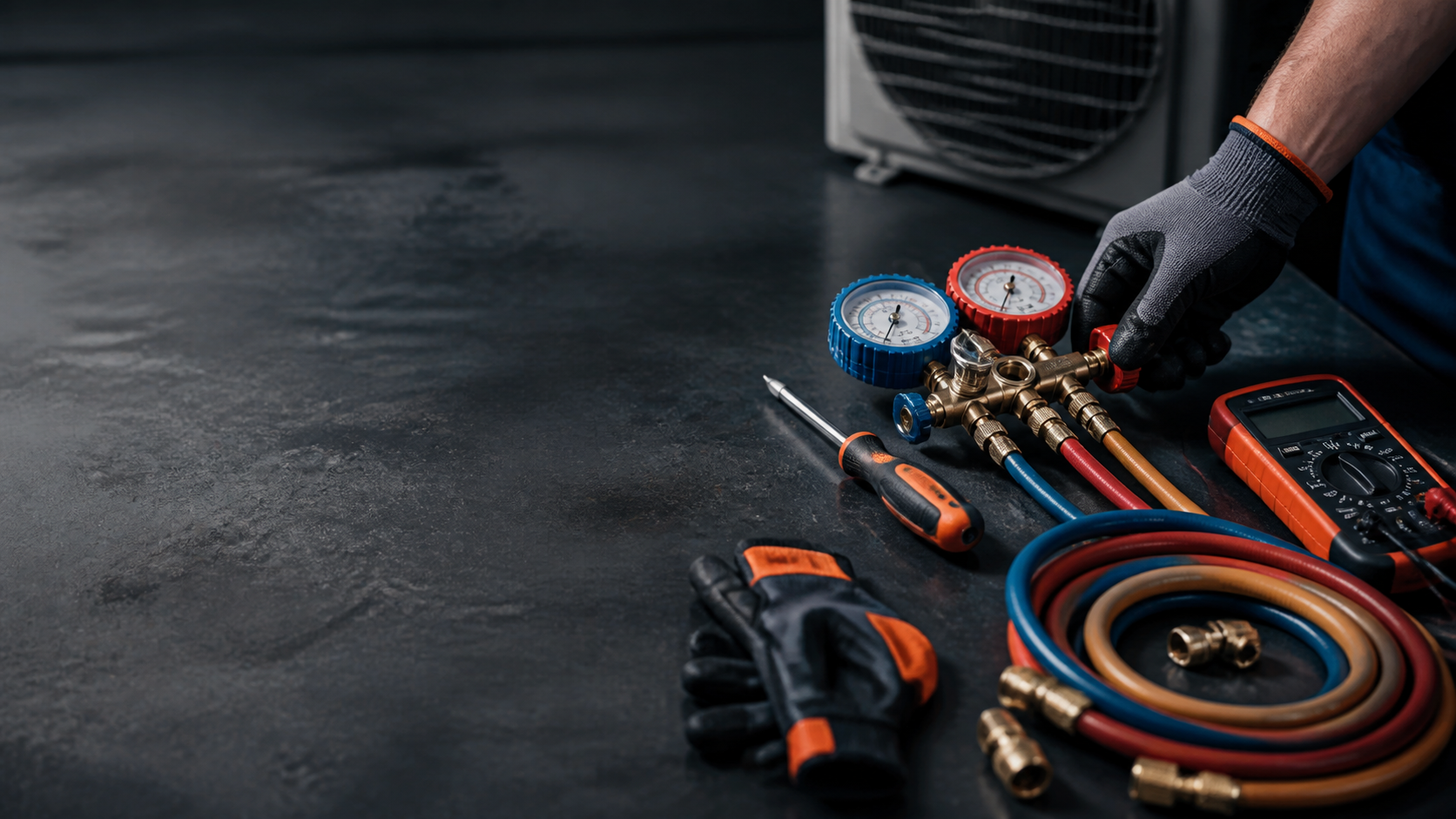
Frederick County homes differ in age, ductwork, insulation, equipment, and fuel source. A clean filter may correct simple airflow trouble. It will not repair a refrigerant leak, failing motor, cracked heat exchanger, or a repair history that no longer justifies continued work.
Filters, coils, drains, and controls can make a system work harder when they are dirty, blocked, or out of adjustment.
Maintenance cannot stop normal wear, reverse poor installation, or promise a fixed number of extra years.
Age, repair history, comfort, and the next repair matter more than the word "maintenance" on an invoice.
An HVAC system works harder when air cannot move freely or when the equipment cannot transfer heat as designed. Filters, coils, drains, controls, and airflow checks focus attention on the conditions that make it run longer, cycle poorly, or put more stress on motors and other components.
A filter is one of the clearest examples. The Department of Energy explains that filters protect the HVAC motor, while a clogged filter can reduce airflow, increase furnace runtime, and increase motor wear. ENERGY STAR also warns that a dirty filter can increase energy costs and damage equipment.
Cooling coils matter for a similar reason. The indoor evaporator coil absorbs heat and humidity, while the outdoor condenser coil releases that heat outside. When dirt covers the coils, the air conditioner may run longer and harder. Trane's coil guidance and the ENERGY STAR checklist connect dirty coils with longer cooling operation and reduced equipment life.
Refrigerant charge and airflow belong in the same conversation. Too much or too little refrigerant can reduce efficiency and equipment life, while poor airflow can reduce performance. These are professional checks against the equipment requirements, not homeowner adjustment tasks.
The result is not that maintenance makes an old system new. It gives the system a better chance to operate without avoidable obstacles and gives you a clearer picture of what is wearing out.
A useful visit is more than changing a filter and saying the system looks fine. The exact work depends on the equipment, its condition, and the manufacturer's instructions. Ask what was inspected, what was found, and which recommendation is corrective work rather than routine maintenance.
Thermostat settings and system controls
Electrical connections, motor voltage, and current
Moving parts and lubrication needs
Drain line and starting cycle
Indoor and outdoor cooling coils
Airflow through the blower and duct system
Refrigerant charge against equipment requirements
Heating safety, burner operation, and the heat exchanger when applicable
ENERGY STAR's residential checklist, Carrier's homeowner guidance, and the ACCA Quality Maintenance standard give homeowners a useful baseline for that conversation.
Homeowners can handle a few recurring checks without opening electrical panels or working on refrigerant circuits. A homeowner check is useful when it keeps the system accessible and catches a dirty filter. It becomes risky when it turns into a repair attempt.
ENERGY STAR recommends inspecting, cleaning, or changing filters monthly for central air conditioners, furnaces, and heat pumps. Follow the filter and equipment instructions.
Remove leaves, snow, grass, and other debris from around the unit. Do not bend coil fins, spray electrical parts, remove panels, or use a pressure washer.
Refrigerant, electrical, combustion, heat-exchanger, and internal coil work belongs with a qualified HVAC professional.
Maintenance is preventive care. Diagnosis is for a system that is already showing a problem. Schedule diagnosis when comfort is changing instead of asking a calendar reminder to solve an active symptom.
The system runs for a long time but the home does not reach the thermostat setting, or one room stays hot or cold.
Airflow is still weak after a clean filter, or water, humidity, dust, or a blocked drain concern remains.
Rising energy bills, repeated repairs, and a system that no longer performs normally call for diagnosis, not another generic tune-up.
Maintenance can protect a system that still has useful service left in it. It cannot reverse corrosion, restore a worn compressor, correct poor original sizing, or compensate for every underlying installation problem.
ENERGY STAR suggests considering replacement when a heat pump or air conditioner is more than 10 years old or when a furnace or boiler is more than 15 years old. Frequent repairs, rising energy bills, uneven comfort, humidity, dust, and noise also deserve a wider evaluation. Age is a factor, not an automatic replacement order.
What is the actual condition of the equipment?
Is the finding maintenance, repair, or a major component failure?
Are comfort and operating costs getting worse, and would this repair address the cause?
There is no responsible fixed number. Maintenance can reduce avoidable strain and find problems earlier, but age, installation, equipment condition, and use still determine how long the system remains useful.
It can identify related airflow, electrical, or control conditions, but no visit can guarantee that a motor or compressor will not fail later.
Compare the tested repair with the equipment's remaining condition, repair history, age, comfort, and operating costs. Ask what the repair changes and what would still be left afterward.
It can clarify condition and safety concerns, but do not use maintenance to avoid an active failure or as a promise of exactly how much life remains.
Share the equipment age, repair history, comfort pattern, and any current warning sign.