Gas odor or CO alarm
Get out of the home and contact emergency services or the utility before waiting on a repair appointment.
No heat, no cooling, a gas smell, a burning electrical odor, water near the equipment, and a CO alarm aren't the same kind of problem. Sort out the safety risk first, then figure out who to call.
A gas smell, smoke, a CO alarm, a burning electrical odor, water near the equipment, repeated breaker trips, or unsafe indoor temperatures all need to move faster than normal troubleshooting.
Get out of the home and contact emergency services or the utility before waiting on a repair appointment.
Don't keep cycling the system on and off. Shut down what you can safely reach and call for help.
Visible water, coil ice, and repeated breaker trips can turn into bigger equipment or safety problems.
Temperature loss becomes more urgent when the home is unsafe for children, older adults, medical needs, or extreme weather.
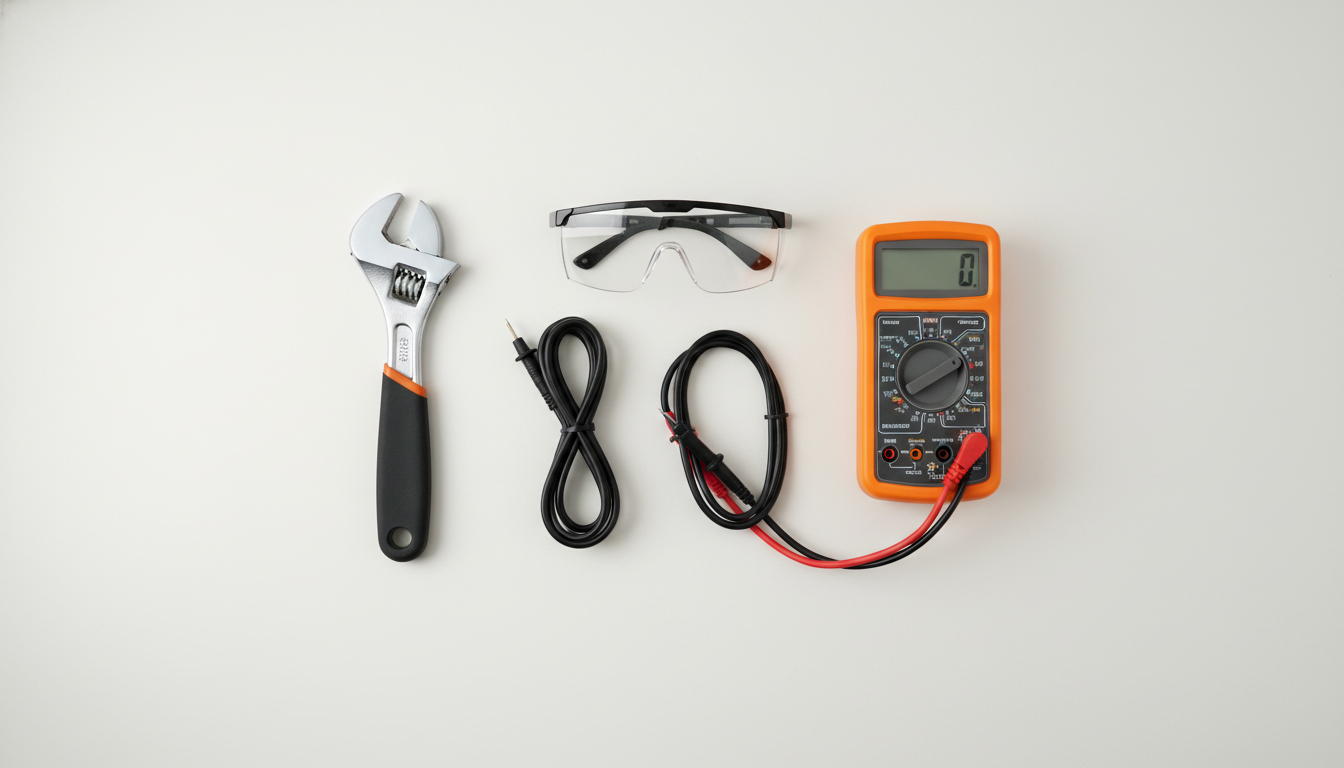
A gas smell, smoke, a CO alarm, or a burning electrical odor takes the situation out of normal HVAC scheduling. Safety comes first; the repair comes after the home is safe.
The first decision is safety. The repair decision comes after danger is ruled out or the home is stabilized.
Gas odor, smoke, CO alarms, burning electrical odor, repeated breaker trips, and active water near equipment change the call immediately.
Don't open sealed panels, handle wiring, bypass switches, work on gas parts, or touch refrigerant lines.
Temperature, timing, rooms affected, alarms, odor, water, ice, sounds, and error codes help frame the repair.
A technician can restore operation, isolate the failure, or explain why the system should stay off.
Gas odor and carbon monoxide alarms should be handled before any HVAC appointment.
Smoke, burning electrical odor, water near equipment, and repeat breaker trips deserve prompt professional attention.
Timing, room temperature, alarms, odor, water, ice, and error codes help explain what happened.
Look for the thing that changed: temperature, airflow, water, ice, odor, noise, breaker trips, or an alarm. That keeps the conversation grounded when you call.
No heat in unsafe cold, no cooling in unsafe heat, a gas smell, smoke, a CO alarm, repeated breaker trips, a burning electrical odor, or water near the equipment - any of these makes it urgent.
Emergency repair cost depends on the failed part, how hard it is to reach, the timing, the safety risk, and whether the system can be stabilized or needs a bigger repair. The exact number comes with the estimate.
It depends on the schedule and any active emergencies. A gas smell, a CO alarm, smoke, or immediate danger goes to emergency services or the utility first - before any HVAC appointment.
Safe to check yourself: thermostat settings, filter, breaker position, open vents, visible ice, water near the equipment, odors, and error codes. Don't open panels, touch wiring, bypass safety switches, work on gas parts, or handle refrigerant.
Tell us what changed in the home and get help with heating, cooling, maintenance, installation, or indoor air service in Frederick County.