Open the airflow before summer arrives
Inspect the filter, clear leaves and grass away from the outdoor unit, keep vents and returns open, and make sure water is not collecting near the indoor equipment.
See the ENERGY STAR checklistKeep airflow open, check the system before peak weather, and treat a new comfort problem as a clue. You don't have to know which part failed to know what to do next.
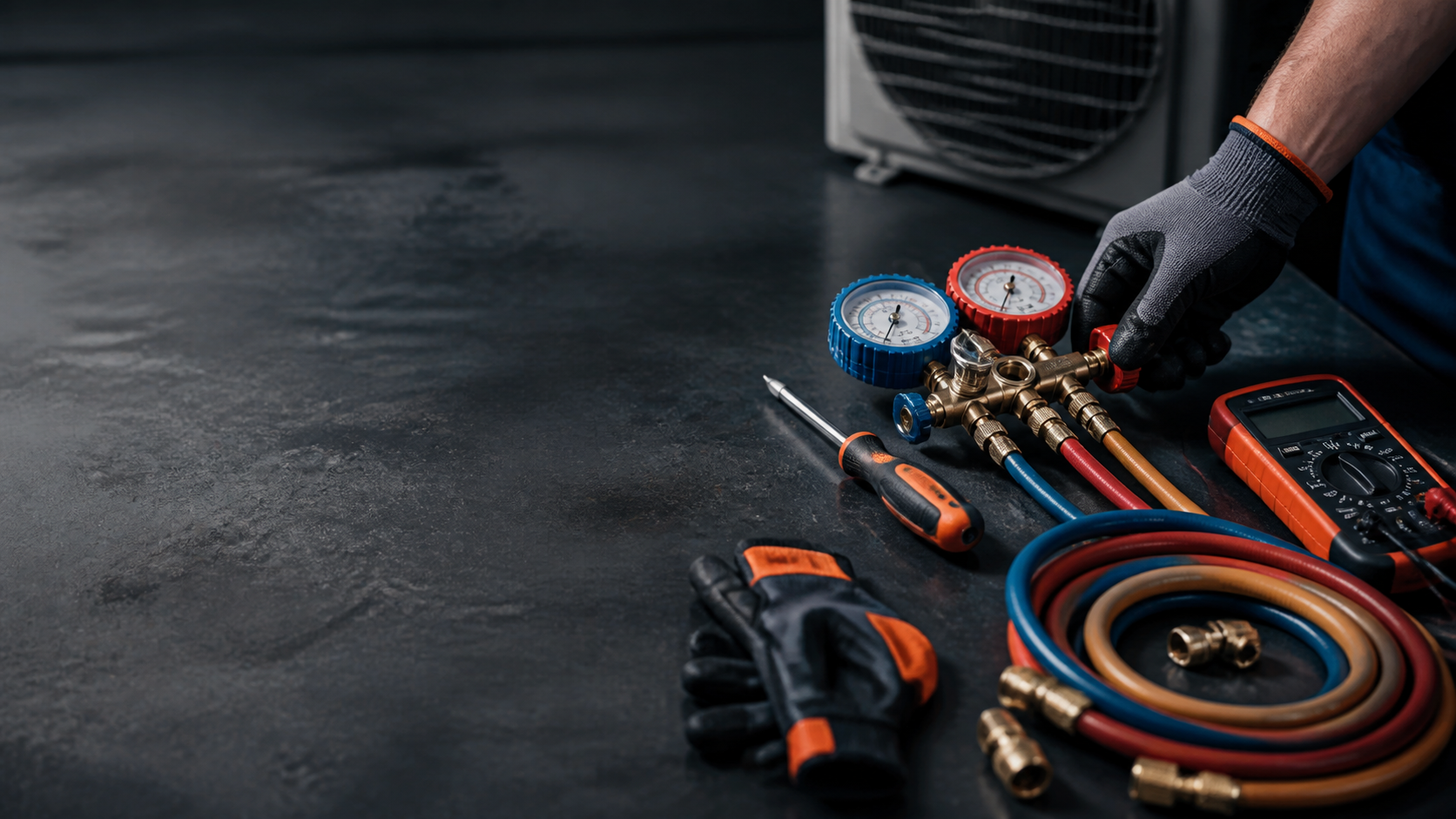
Frederick County gives heating and cooling equipment a full workout. Spring and fall are the useful windows to prepare, but a symptom should move the timing forward.
Inspect the filter, clear leaves and grass away from the outdoor unit, keep vents and returns open, and make sure water is not collecting near the indoor equipment.
See the ENERGY STAR checklistCheck the filter again, look over the thermostat, and arrange heating maintenance before the first extended cold stretch. A new noise or cycling change needs a diagnosis now.
Plan the seasonal checkA system that is running normally calls for maintenance. Ice, water, weak airflow, a new sound, or short cycling calls for diagnosis instead of another calendar reminder.
Sort the next safe stepSeveral faults can create the same symptom. Your observation is useful even when you do not know the part name. Note what the thermostat shows, which rooms are affected, and what you see, hear, smell, or feel.
Check the filter, return grille, and supply vents first. If the simple checks do not change the room, the cause may be in the ducts, the insulation, or the equipment itself.
Read the related guideConfirm the thermostat setting and look for a blocked filter or an outdoor unit that is not operating. Warm air can come from airflow trouble, a dirty coil, drainage trouble, or an electrical component that needs testing.
Read the related guideTurn cooling off when you see ice. If water is spreading, shut the system down if you can do so safely and protect the surrounding area. Repeated cycling also moves the problem beyond a routine filter change.
Read the related guideWrite down when it happens and which rooms are affected. Do not keep resetting a breaker or open the equipment cabinet to look for the cause.
Read the related guideLeave the home if you smell gas, a carbon-monoxide alarm sounds, smoke is present, or a strong burning electrical smell is getting worse. Get everyone outside and call 911 or the gas utility from a safe location.
Do not: restart the furnace, keep resetting a breaker, open sealed equipment, handle refrigerant, or work on gas controls.
If you use a portable heater while waiting, keep it at least three feet from curtains, furniture, and bedding. Plug an electric heater directly into a wall outlet.
The difference is not a label. It is what the equipment is doing and whether the home is safe.
Use a spring cooling check or fall heating check to look at filters, airflow, drainage, controls, and safety operation before peak demand.
Choose diagnosis when the equipment makes a new noise, cycles oddly, loses airflow, shows ice or water, or cannot hold the set temperature.
Leave for a gas odor, a carbon-monoxide alarm, smoke, or a strong electrical burning smell. Call 911 or the gas utility from a safe location.
Note the thermostat setting, system type, age if you know it, rooms affected, and when the symptom started. A photo of ice, water, an error code, or visible damage can help without opening the equipment.
Rooms over garages, upper floors, finished basements, and additions may need a wider look at ductwork, insulation, airflow, or sizing.
Read the Department of Energy guidanceTell us what changed, what you have already checked, and what the system is doing now.